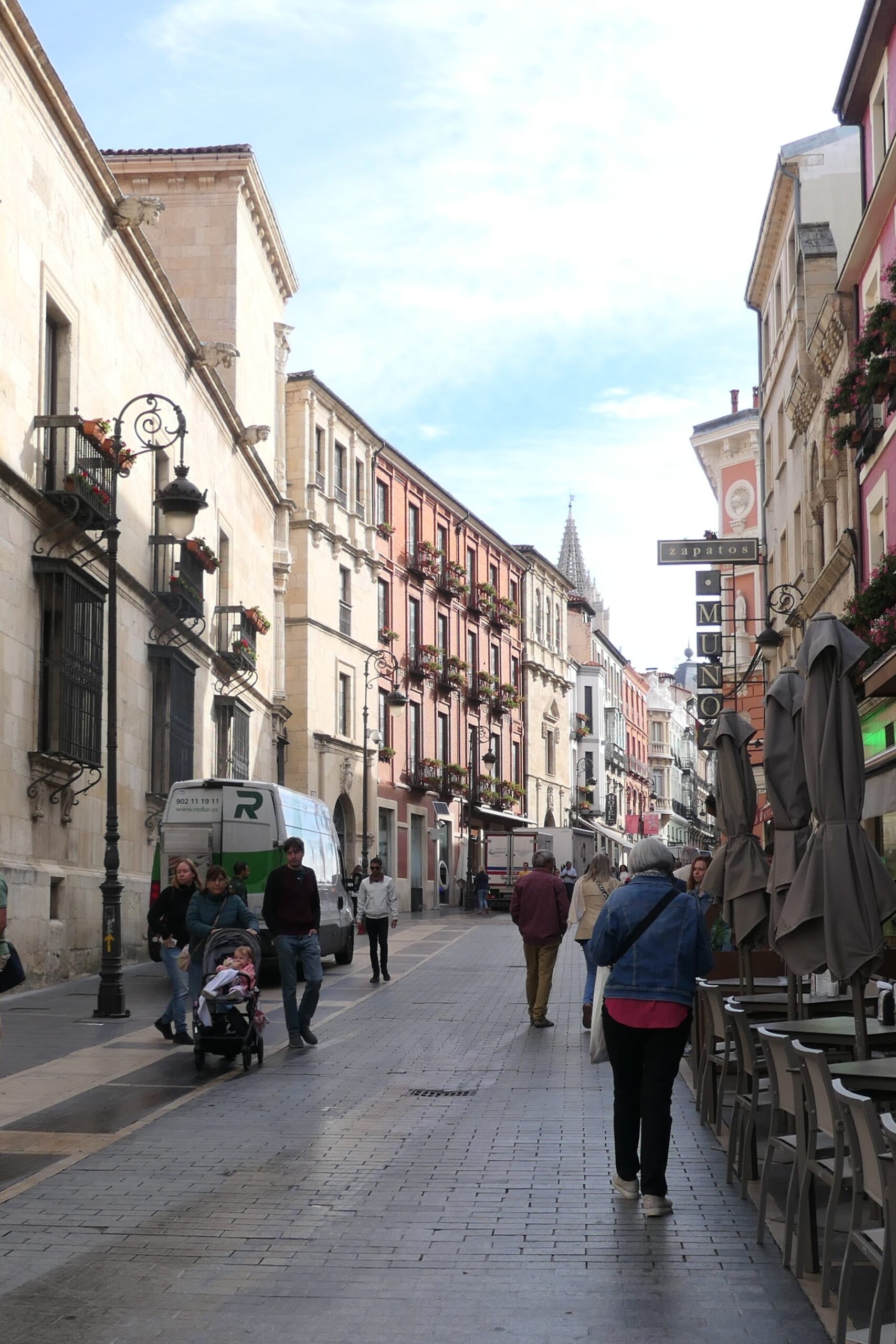
SEPTEMBER 6, 2024 : Our plan for today is to continue exploring the many Jewish Heritage sites in León, and then do a 2-hour drive north to Oviedo, where we will spend Shabbat.
Our Airbnb is situated directly on Plaza Mayor, the city’s main square, where the weekly market has been held for over ten centuries. Years ago, Jewish merchants likely stood among the vendors, trading their goods in the bustling marketplace.
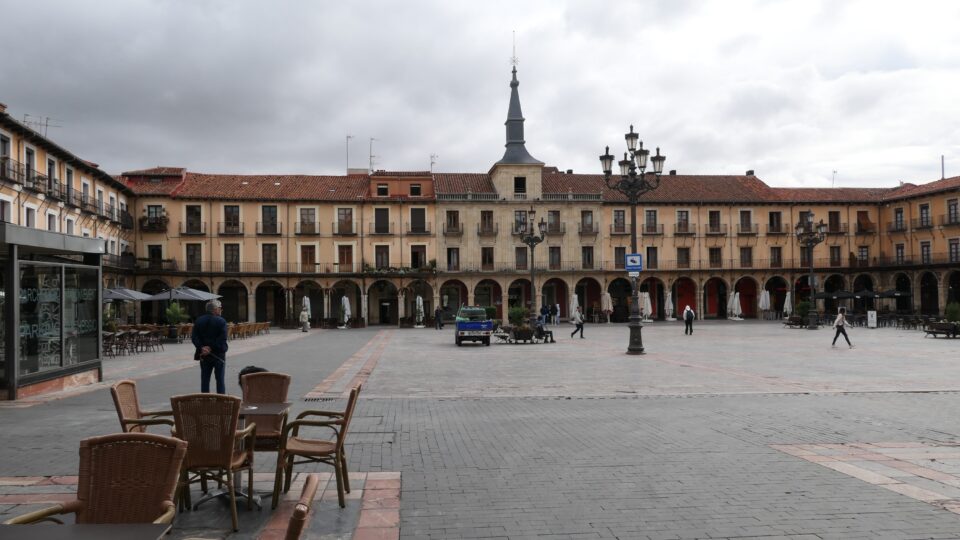
This morning, however, Plaza Mayor was quiet as we crossed it toward the adjacent Jewish Quarter. León’s first Jewish neighborhood, the Judería of Puente Castro, was originally located outside the city walls. However, for security and protection, the community later relocated inside, to the area now known as Barrio Húmedo.
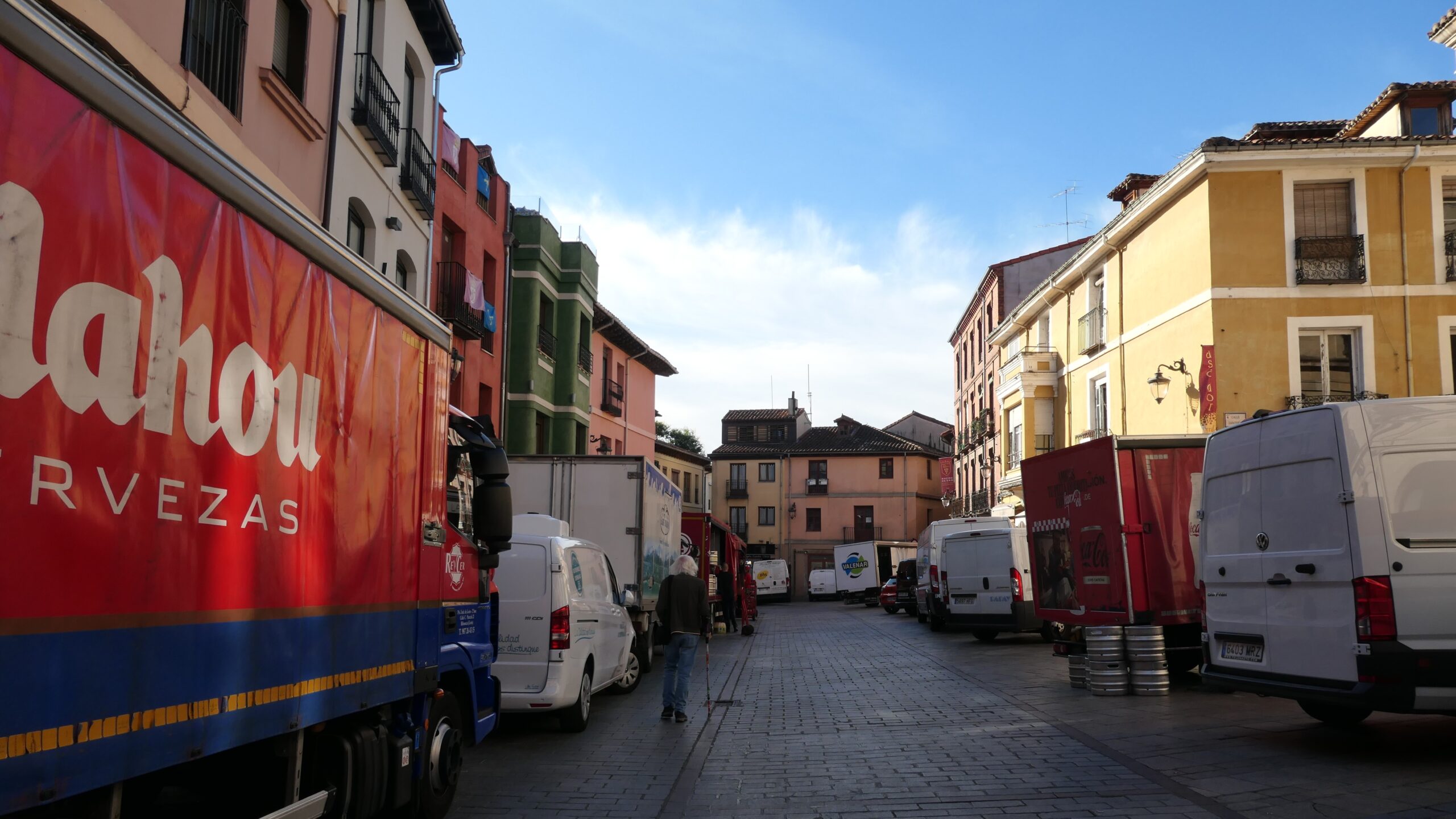
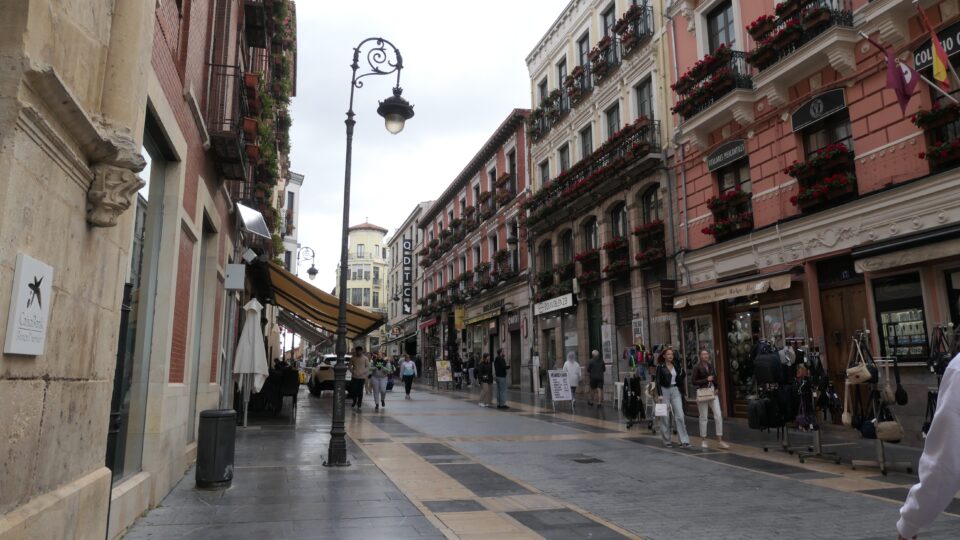
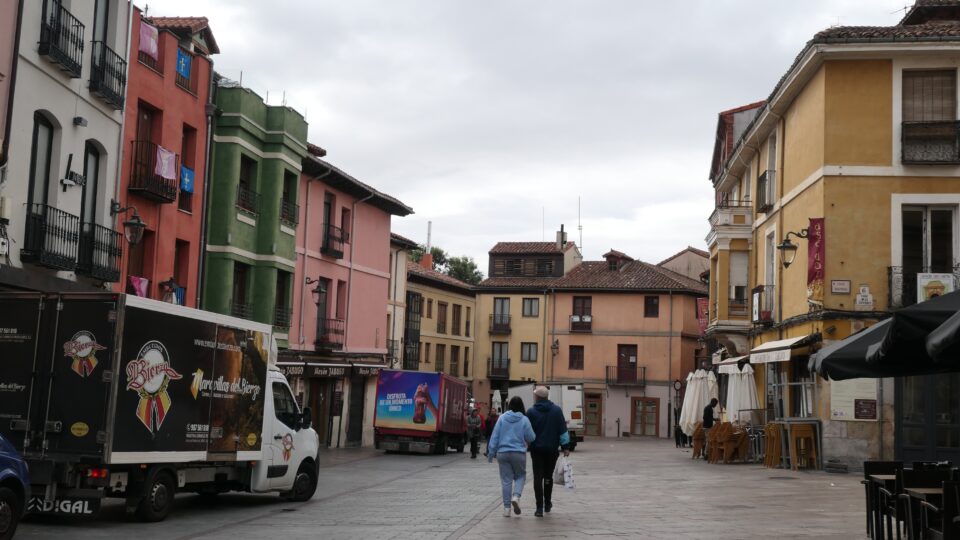
Now at 10:00 in the morning, Plaza de San Martín, once the nerve center of the Jewish quarter, and today the heart of Barrio Húmedo, was bustling with delivery trucks servicing the local bars and restaurants. Today, this district is renowned throughout Spain for its vibrant nightlife, boasting around 150 bars and clubs within its small area, as well as León’s famous tradition of free tapas.
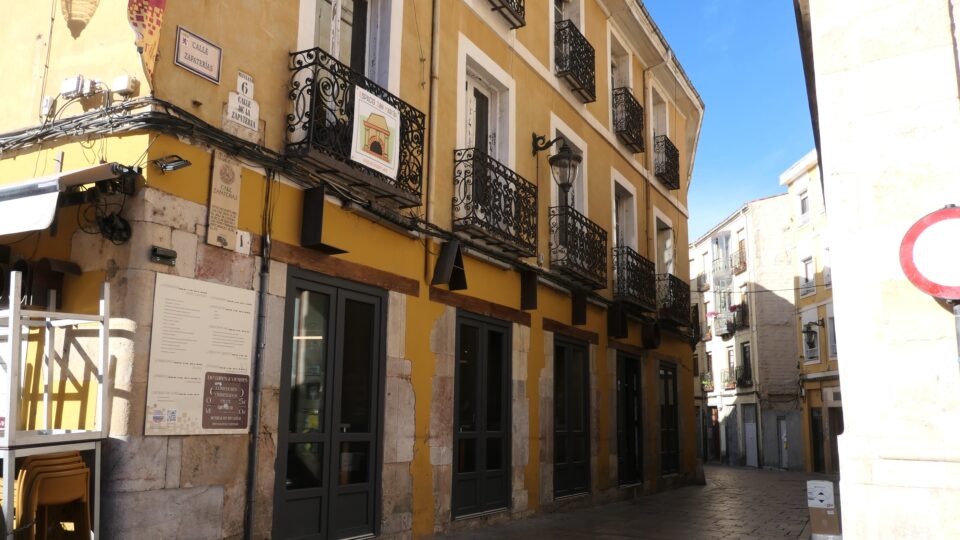
Several streets branching off from Plaza de San Martín reflect the area’s Jewish heritage through their names, which denote traditional trades commonly associated with the Jewish community. Examples include Calle Zapaterías, named for the shoemakers who once worked there, and Calle Platerías, the street of the silversmiths. Many of these streets had historical information signs, but they focused mostly on later history; none mentioned that this area had once been part of León’s Jewish quarter.
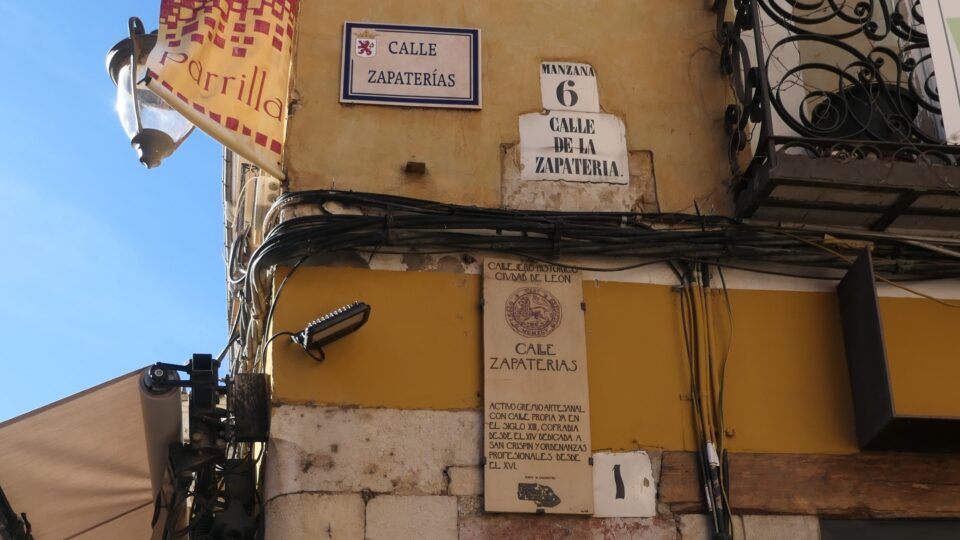
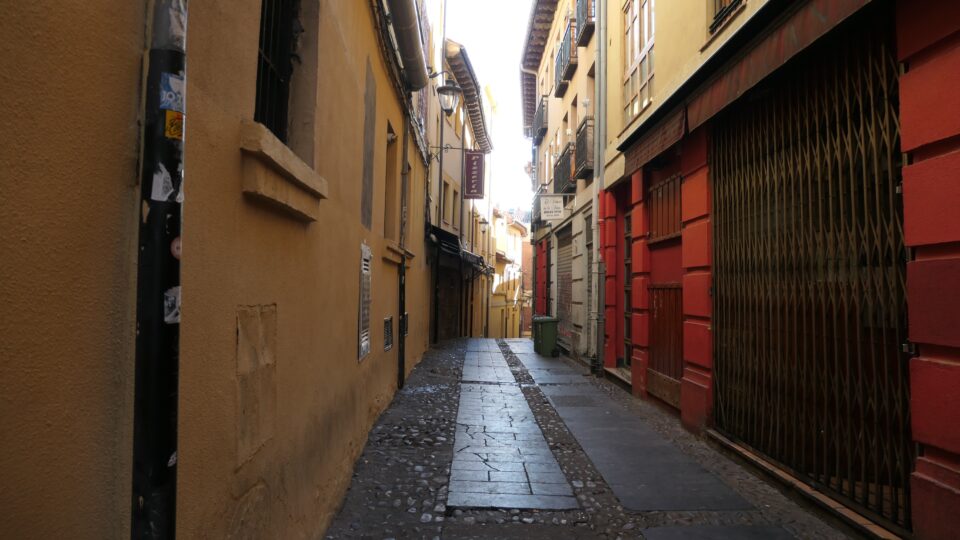
Another street, Calle Azabachería, translates to Jet Workers’ Street. Jets in the Middle Ages? That didn’t seem to make sense—until I learned that “jet” has another meaning besides an aircraft. Jet, also known as black amber, is a fossilized wood found in northern Spain that can be carved and polished into jewelry and ornaments. Calle Azabachería was once the street of the artisans who specialized in this craft.
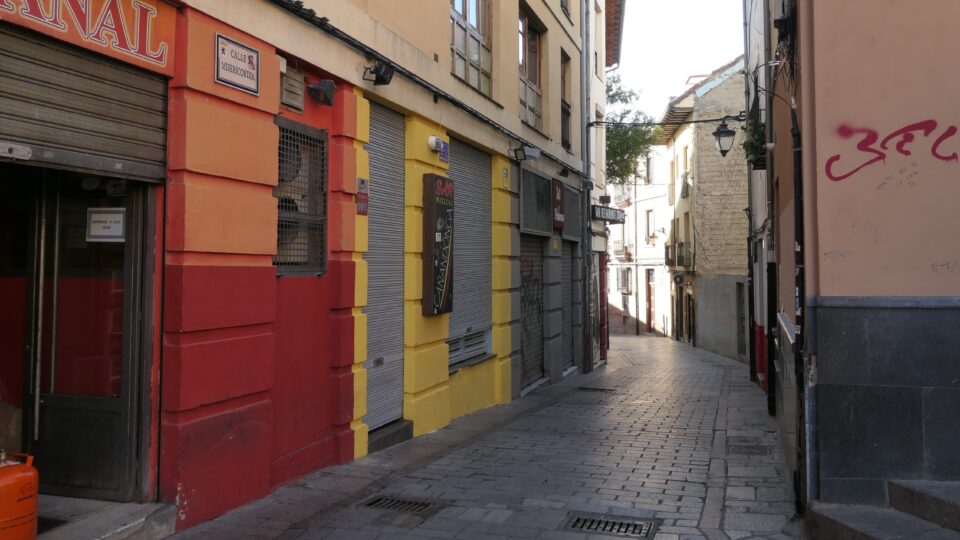
Additional streets in the Jewish Quarter include Mulhacin and Misericordia streets.
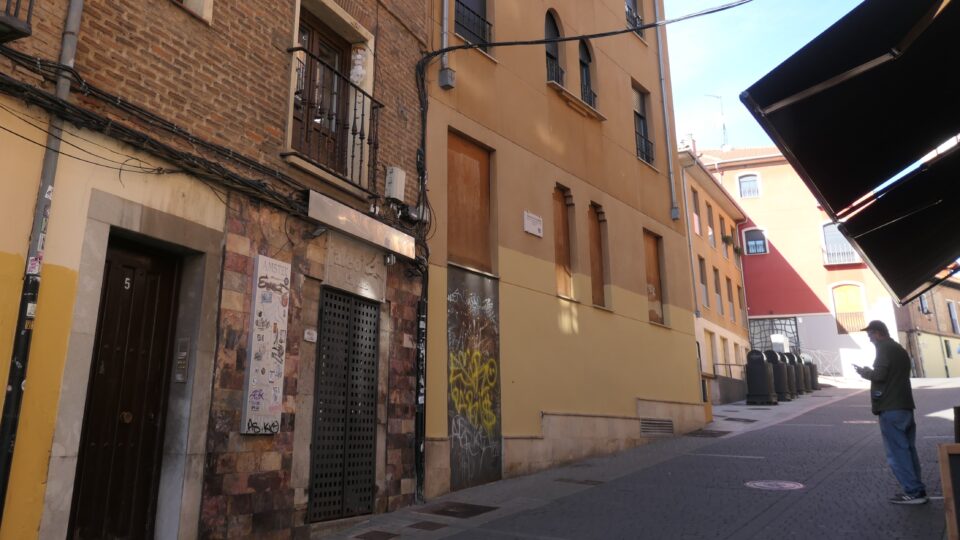
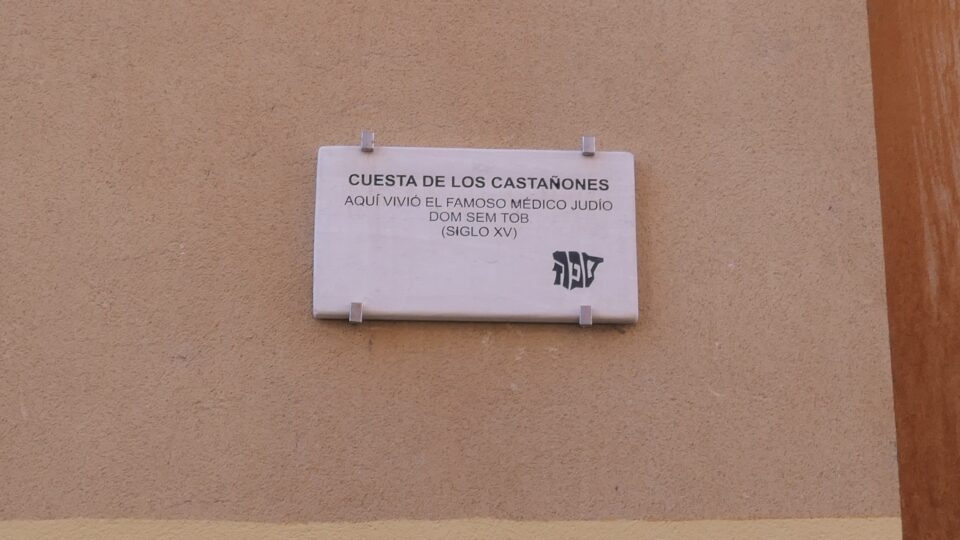
As we navigated the narrow lanes toward the still-standing old city walls, we came across a Sefarad symbol marking what was once the home of a renowned Jewish doctor, Don Shem Tov, who lived here in the 15th century. Interestingly, the full name of the editor of the Zohar, Moshe de León is Moshe ben Shem Tov de León, and he was also a physician. For a moment, we wondered if this could have been his house. But no—Moshe de León was born in León a couple of centuries earlier. Maybe this was once the house of a descendent.
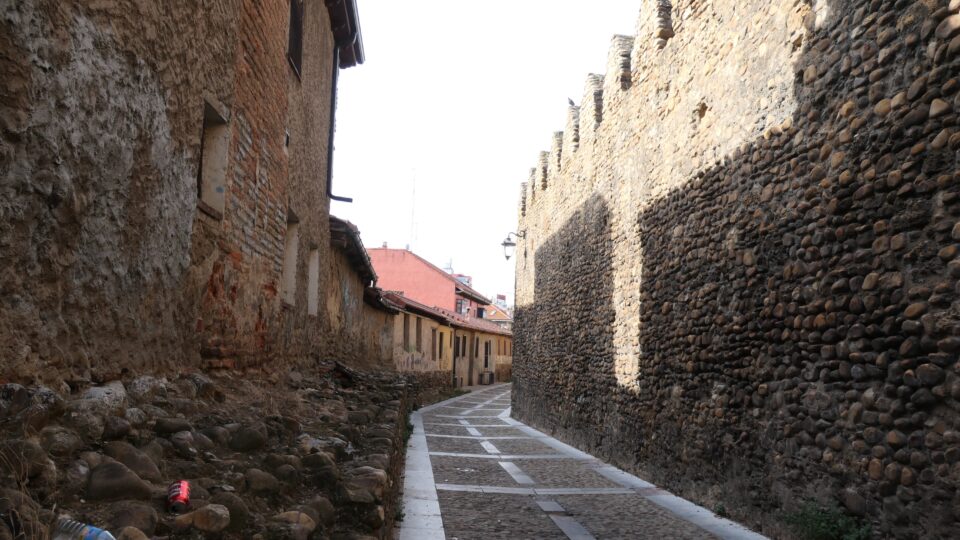
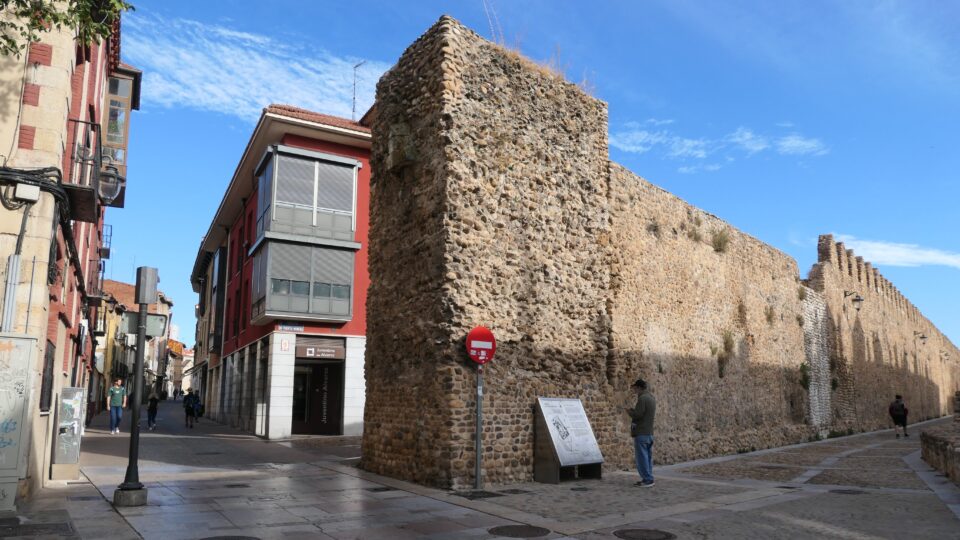
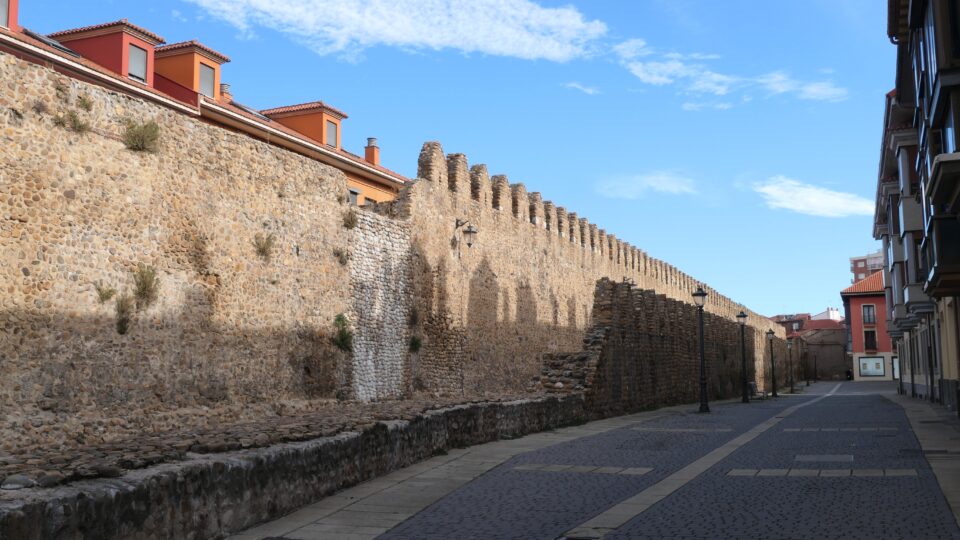
In León’s historic district, remnants of ancient city walls are visible throughout the area—some dating back to Roman times, others from the Medieval period. We made our way to Calle las Cercas, a street that runs alongside the medieval wall and leads to Puerta Moneda, the gate through which Jews once entered the city. During the Middle Ages, this gate also welcomed pilgrims traveling along the Camino de Santiago. Its name, Puerta Moneda, originates from the moneychangers who set up their businesses nearby, exchanging currency for the influx of pilgrims passing through the city. Moneylending and currency exchange were traditionally Jewish occupations, indicating the presence of León’s Jewish community in this area.
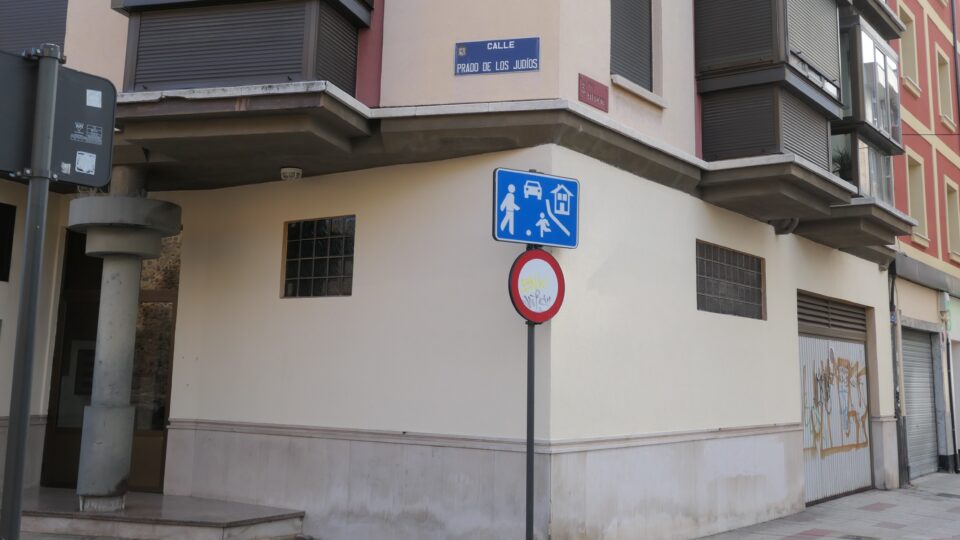
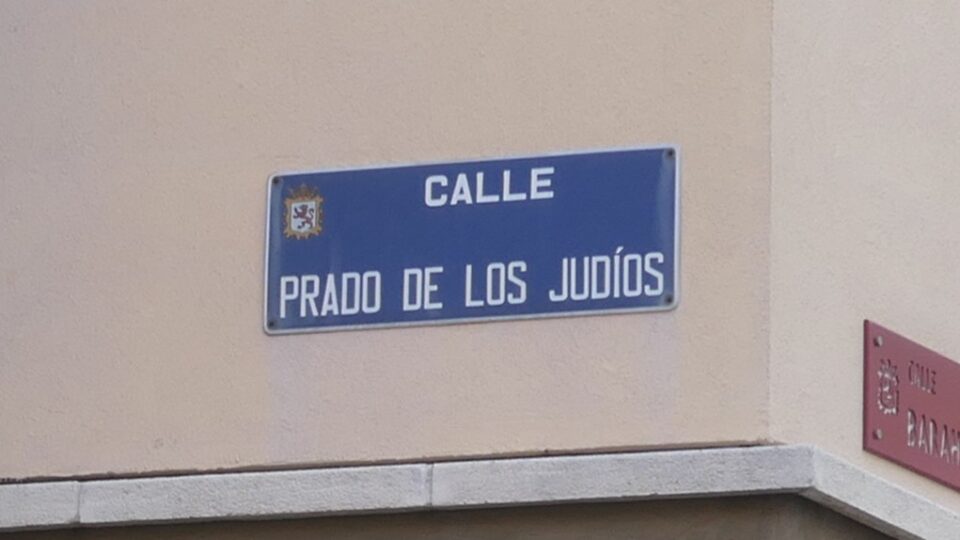
Opposite the city gate stands a house with a sign reading “Calle Prado de Los Judíos,” Meadow of the Jews Street, in memory of the Jewish cemetery that once stretched across this area. Over time, as the city expanded, the cemetery was gradually built over.
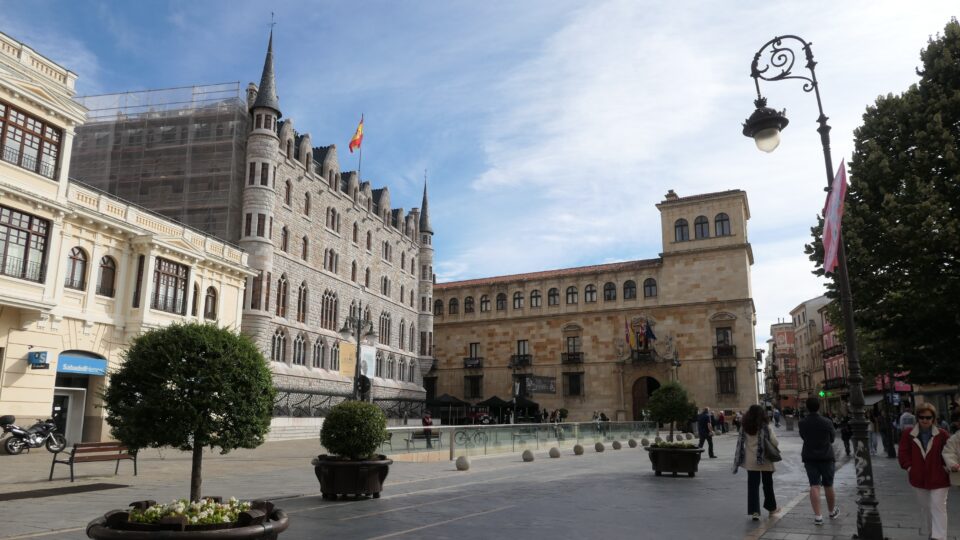
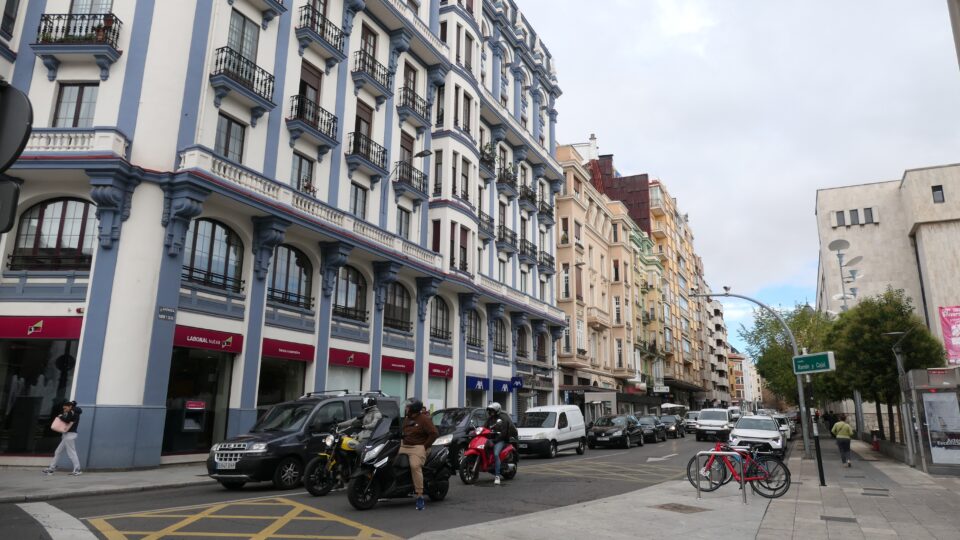
We continued our walk through the historic center until we reached the more modern part of the city. This area had all the hallmarks of a vibrant European city – bustling traffic, crowded sidewalks, and a blend of historic and contemporary architecture. On the way, we passed Casa Botines, a late-19th-century building designed by Antoni Gaudí, the same architect famous for Barcelona’s Sagrada Família and Park Güell. Although it looks almost like a small Gothic castle, it was originally built as a commercial and residential building for textile merchants and today houses Museo Casa Botines Gaudí. It is one of the few Gaudí buildings outside Catalonia.
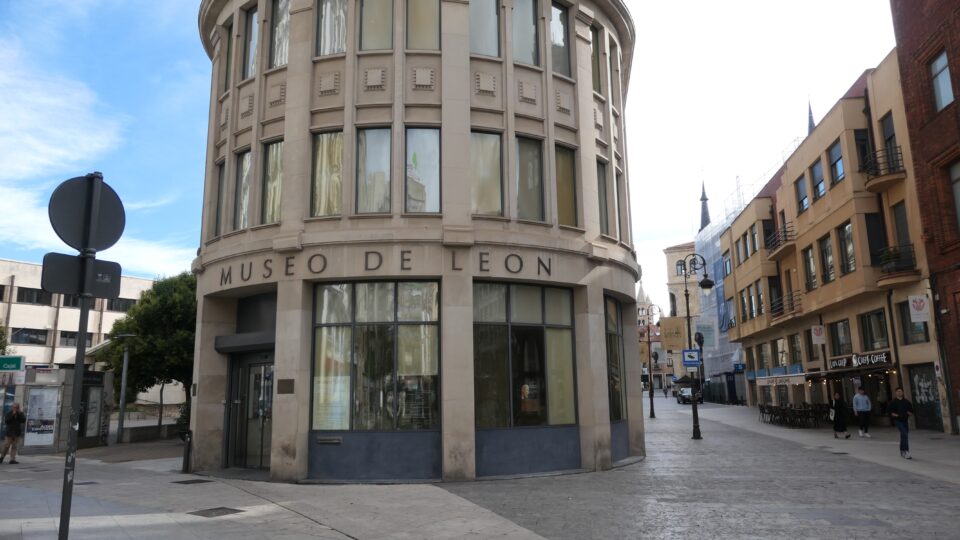
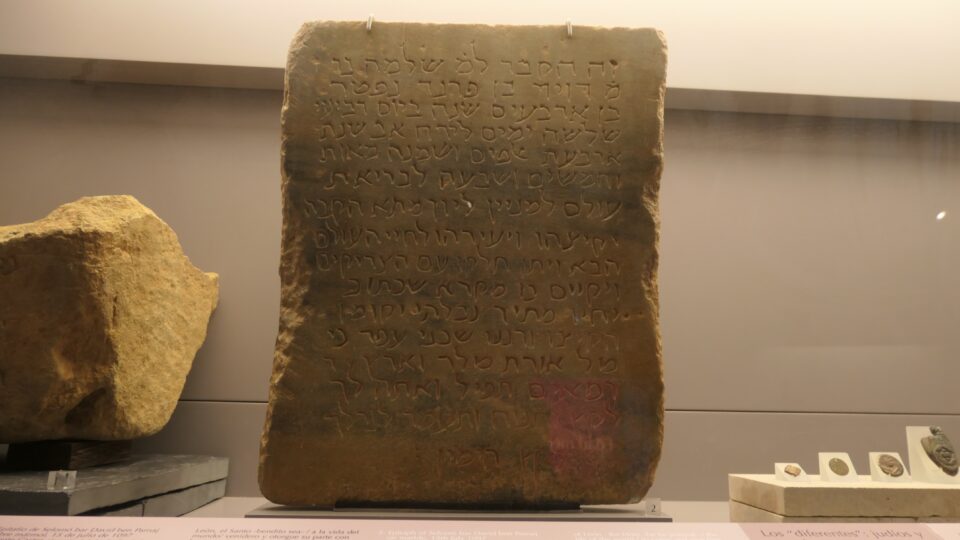
We were headed toward the Museo de León to see the Mar Selomó stele, a stone funerary marker inscribed with 16 lines of Hebrew text. Discovered in 1982 during highway expansion work, the stele commemorates Selomó bar David ben Parnaj, who died at the age of forty on Wednesday, the 3rd of Av in the Hebrew year 4857 – July 15, 1097.
At the bottom of the stele, are verses about resurrection and the world to come, based mainly on Isaiah 26:19 and Daniel 12:13. What moved me most was realizing that the same biblical words we still read today were carved into a Jewish gravestone almost 1,000 years ago.
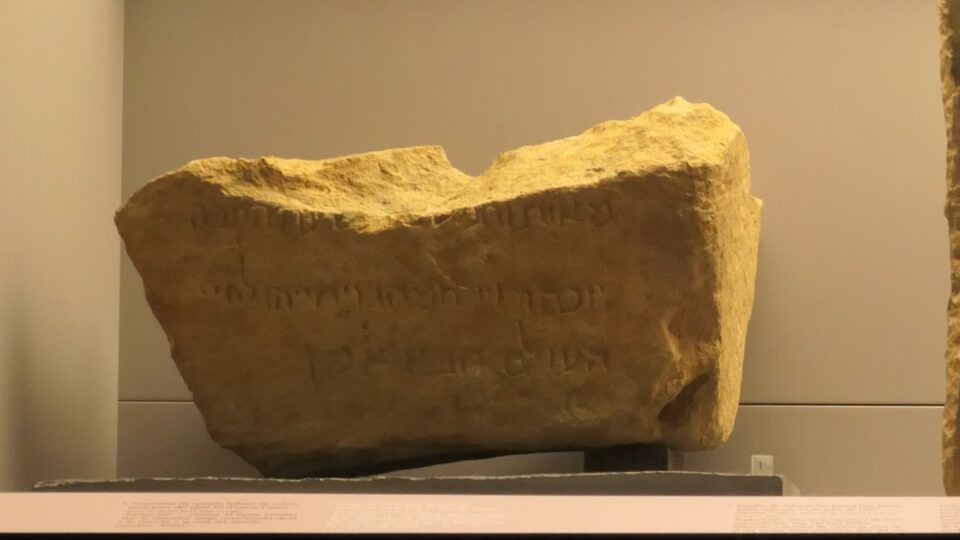
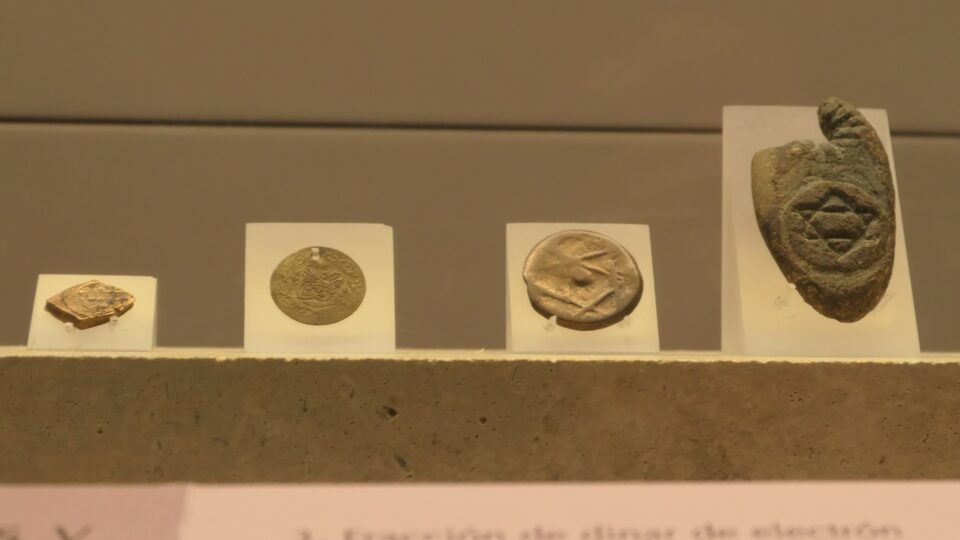
In the same showcase as the stele, there were several additional reminders of León’s Jewish past. To the left was a fragment of a Hebrew epitaph from the early 12th century, while to the right was a display titled “The ‘Different Ones’: Jews and Muslims.” Interestingly, the two groups were often discussed together, since both were religious minorities living within Christian society and both faced restrictions, forced conversions, and eventual expulsions. The display included Arab bronze coins, a small coin bearing a Star of David, and a pendant with the same motif.
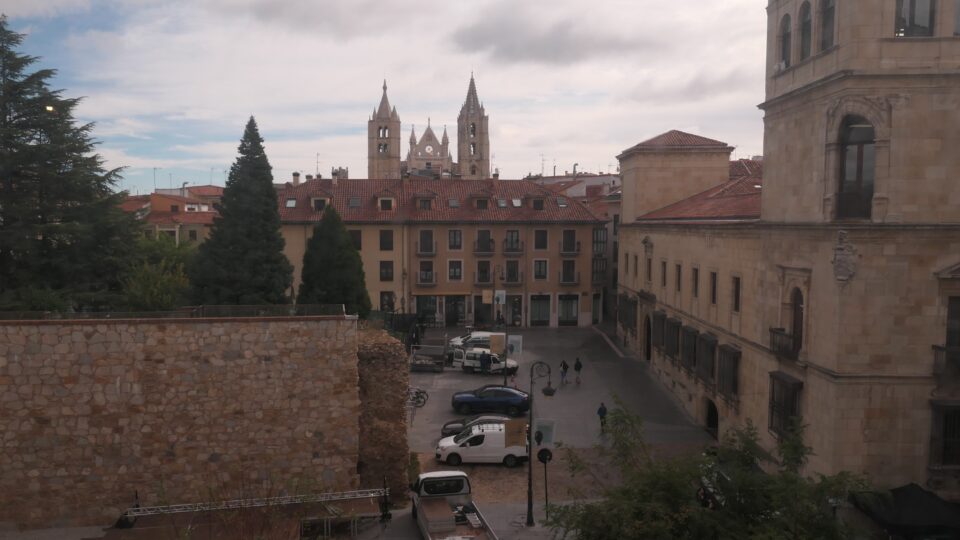
From the museum window, we had a clear view of León’s Cathedral, easily recognized by its two unequal Gothic towers. The asymmetry comes from the fact that the towers were built in different periods and styles, where construction often stretched over generations and plans changed along the way.
On the way back to our Airbnb to check out, we once again passed through Plaza de San Martín, this time with far fewer delivery trucks blocking the view.
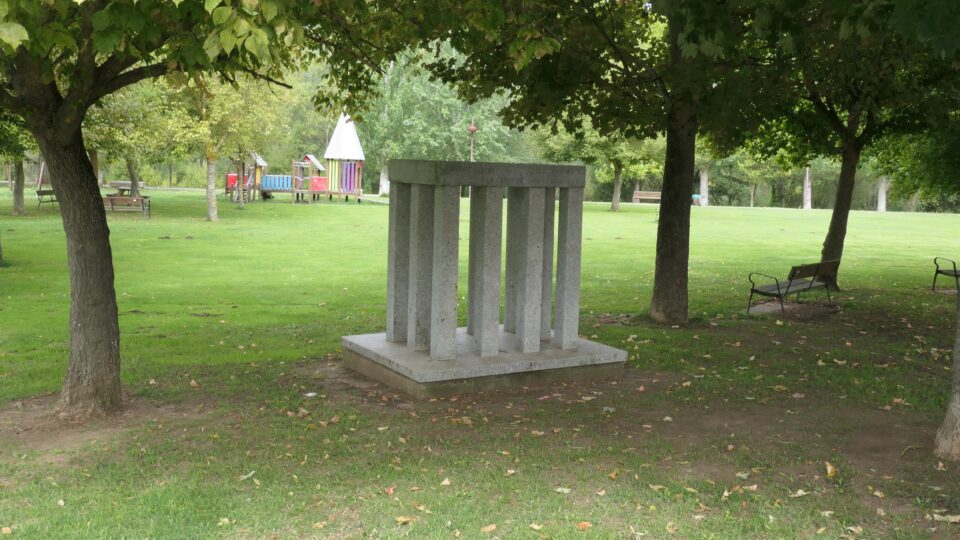
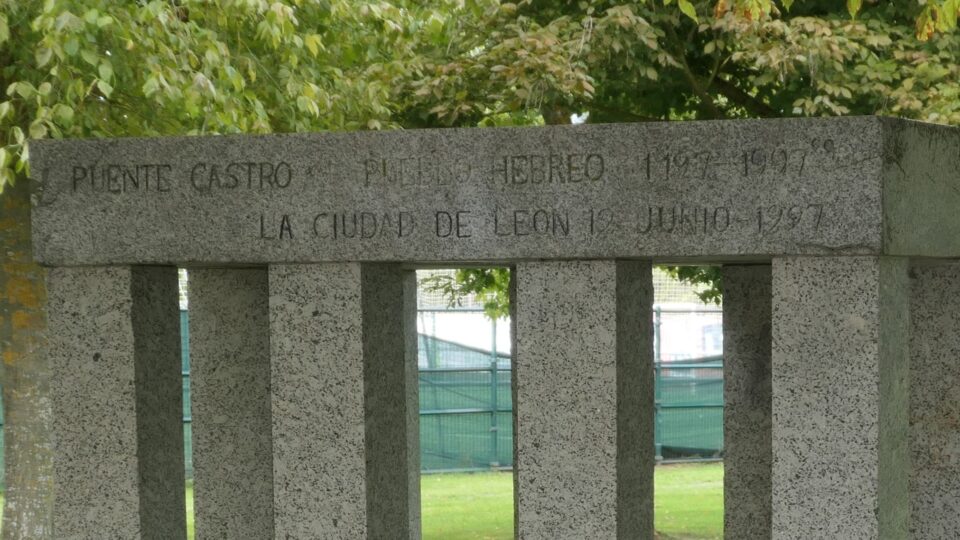
We then drove across the river to the other side of León, towards Puente Castro, the site of the city’s first Jewish neighborhood. Our first stop was a monolith unveiled in 1997 to honor the Jewish community that once thrived there until 1197, when the Jewish quarter of Puente Castro was destroyed.
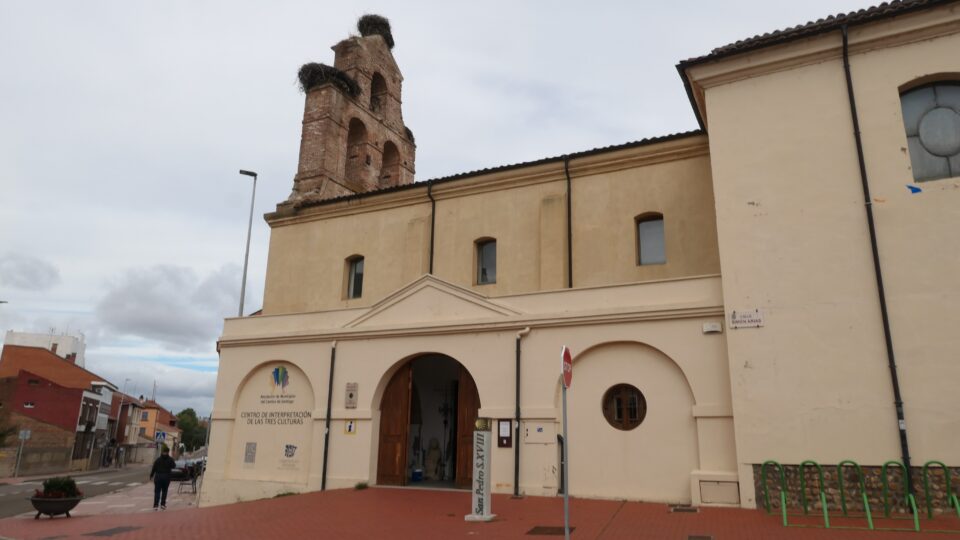
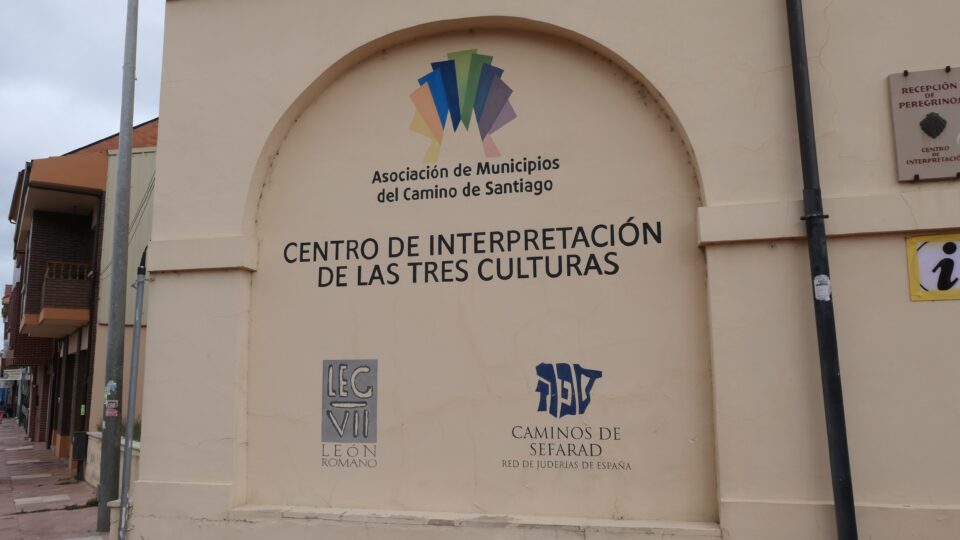
Next, we visited the Interpretation Centre for the Three Cultures, housed in the former Church of San Pedro. The center explores the historical coexistence of Jewish, Christian, and Muslim communities in Puente Castro.
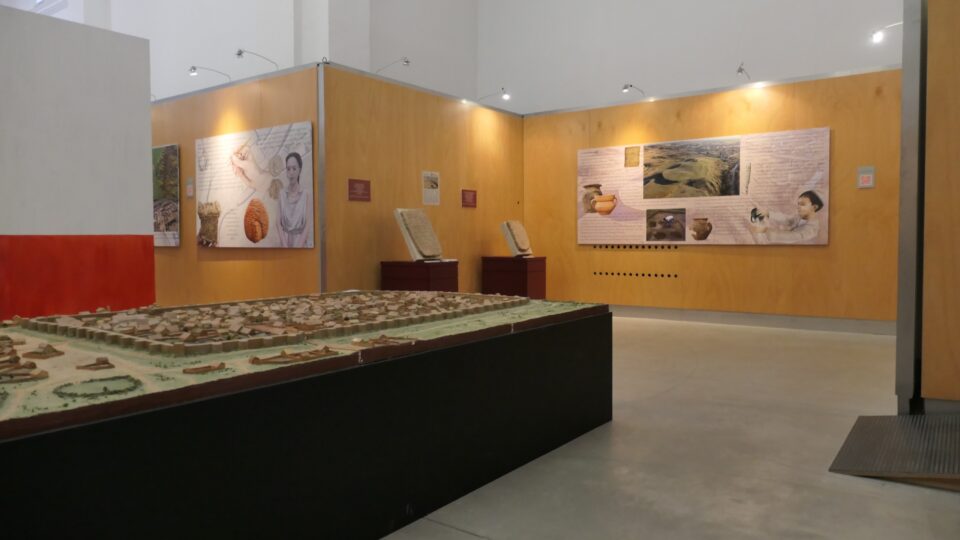
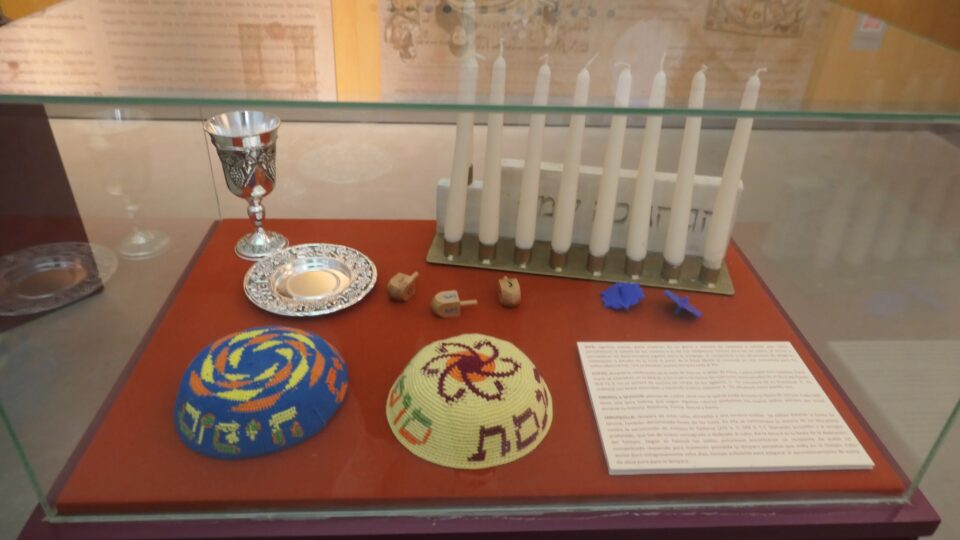
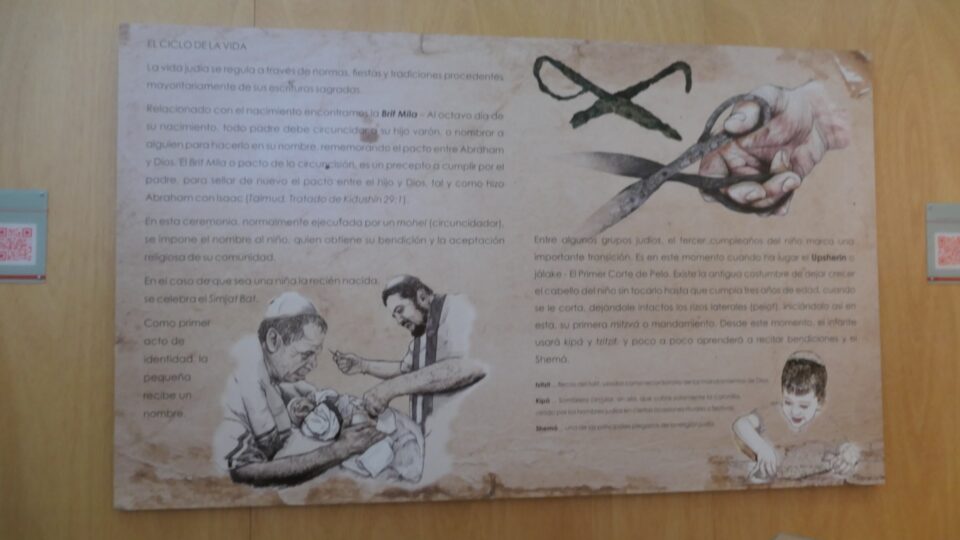
Similar to other museums we had visited, the Jewish section featured explanations of various Jewish rituals alongside exhibits on local Jewish history, including reproductions of Hebrew tombstones found nearby.
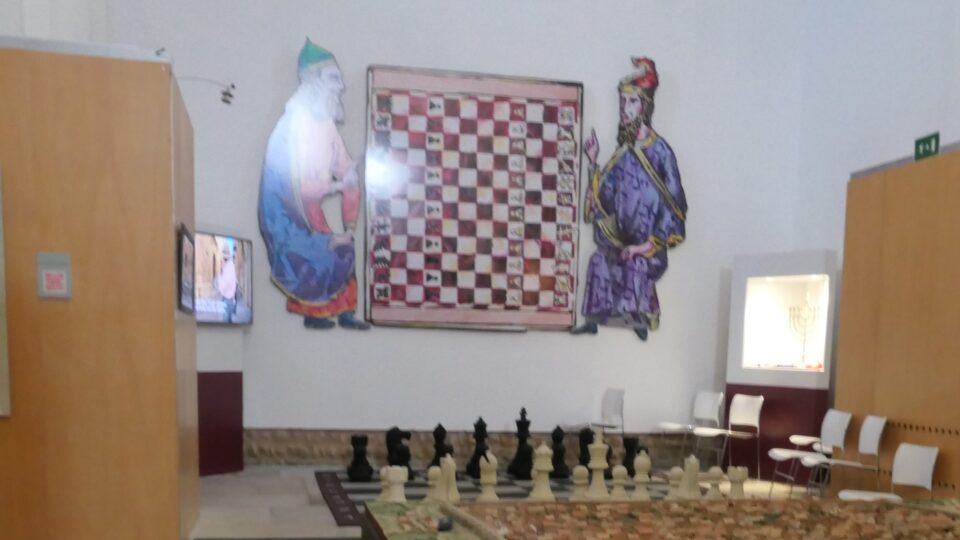
One of the more unexpected displays connected Jewish life with the medieval game of chess. Chess had entered Spain from the Islamic world, and Jewish scholars helped carry the game into Christian Europe. In medieval Jewish communities, chess was valued not as a game of chance, but as a game of intellect, strategy, and learning. It was even discussed by major Sephardic Jewish thinkers: Abraham ibn Ezra wrote an early Hebrew poem describing the rules and movements of chess, while Maimonides approved of chess because it depended on logic and skill rather than gambling. The display recalls the Libro de los Juegos, a royal manuscript commissioned by Alfonso X in 1283, with its images of Jews, Muslims, and Christians playing and studying games together — a fitting symbol for a museum devoted to the meeting of León’s three cultures.
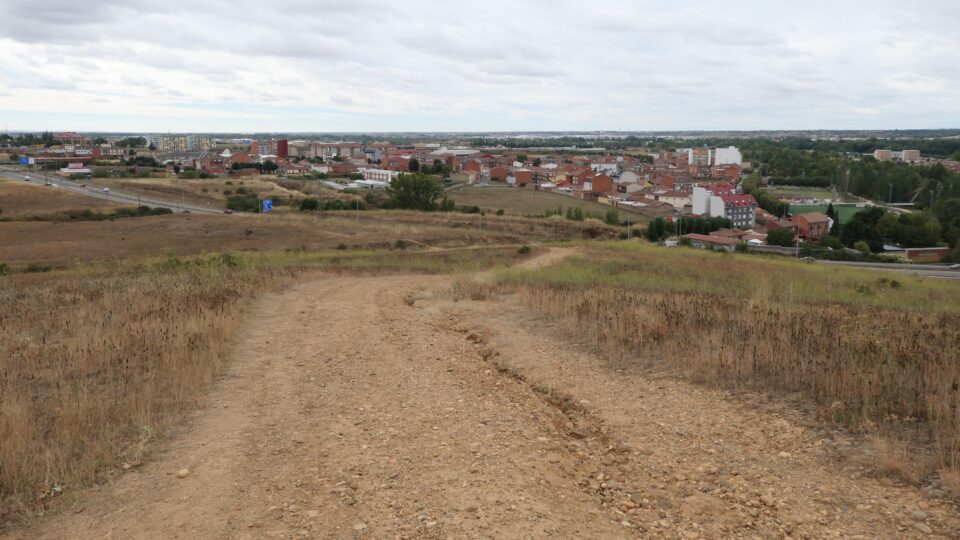
Our final stop was to locate the actual site of the Jewish quarter of Puente Castro, the same neighborhood memorialized in the monolith we had seen earlier. Today, Puente Castro is an abandoned hill where archaeological excavations confirmed its historical significance. We began driving uphill on a dirt road toward the site, but the path soon became too rocky to continue. Although we didn’t reach the exact spot we were aiming for, we were rewarded with stunning views of modern León from the hillside.
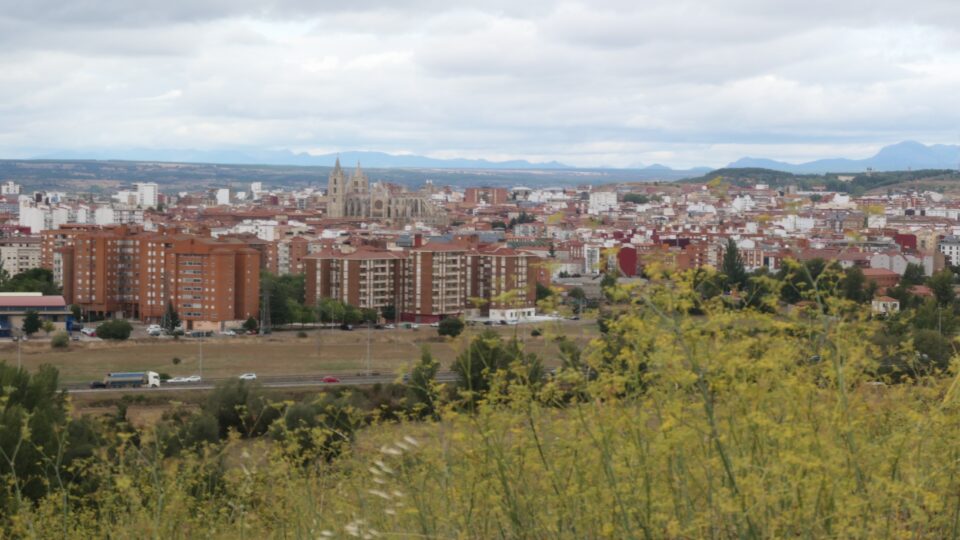
It was time to leave León and head toward Oviedo, where we would spend Shabbat. Overall, León left a positive impression as a charming city worth exploring. We definitely could have spent more time there.
Instead of taking the main highway north to Oviedo, we opted for a smaller, parallel road, scenic Route N-630. Wow—this was by far the most breathtaking road we encountered in Spain. It wound its way over the Cantabrian Mountains , through picturesque villages, and past stunning landscapes that can only be described as reminiscent of Switzerland.
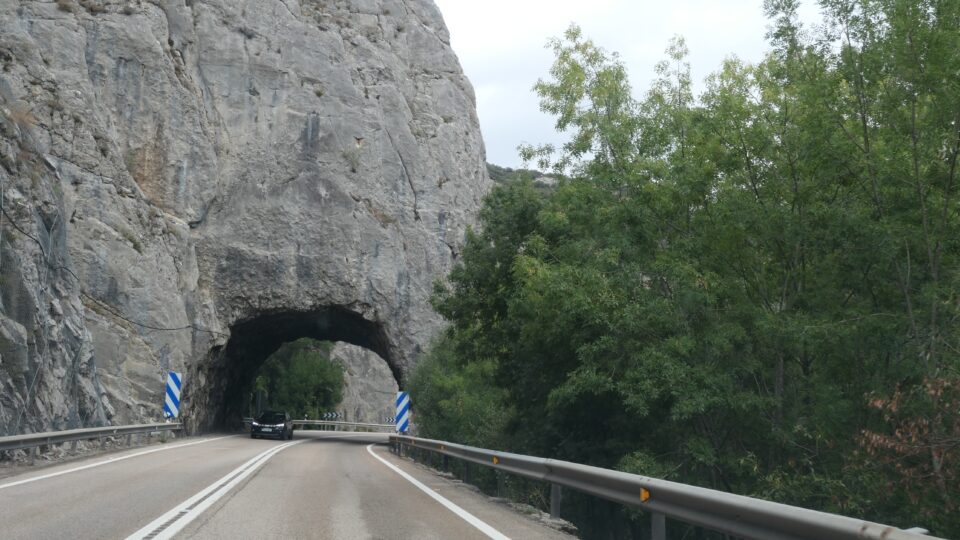
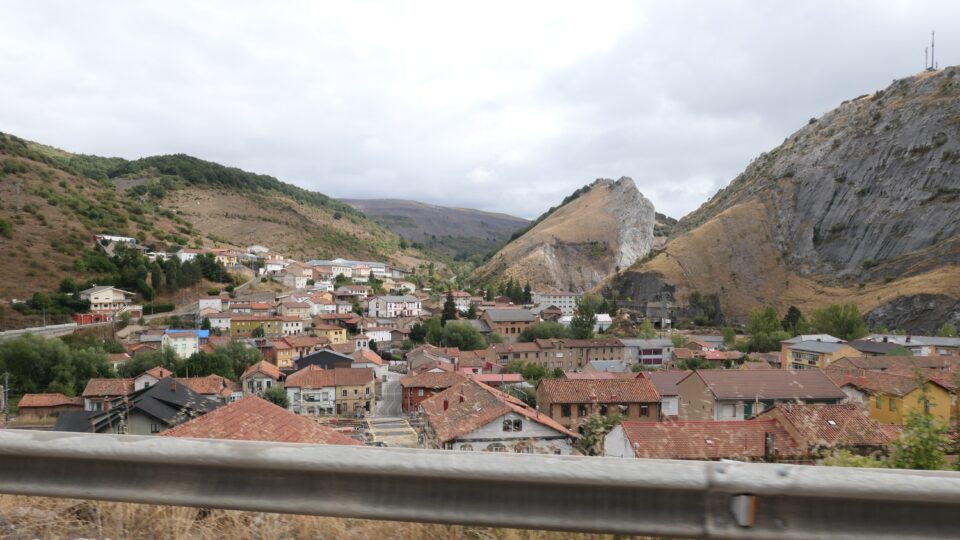
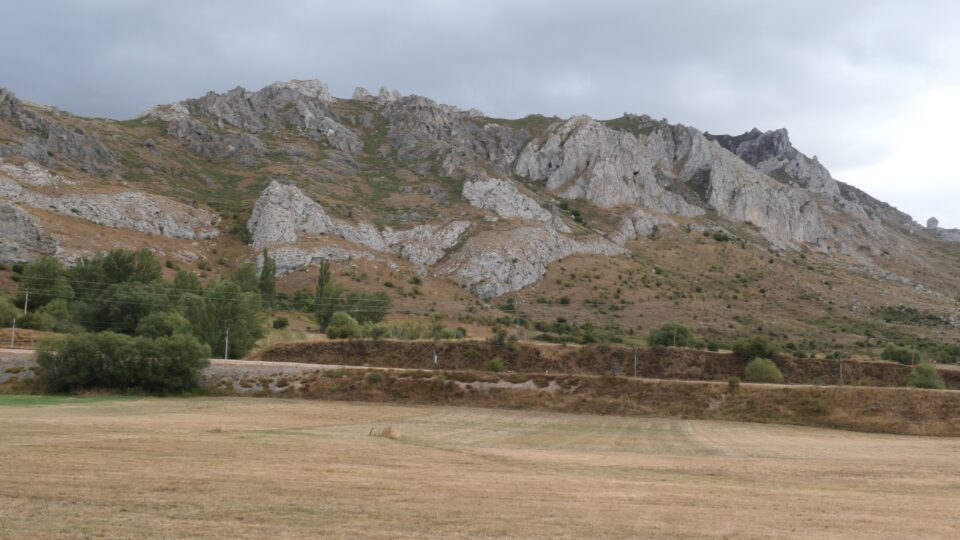
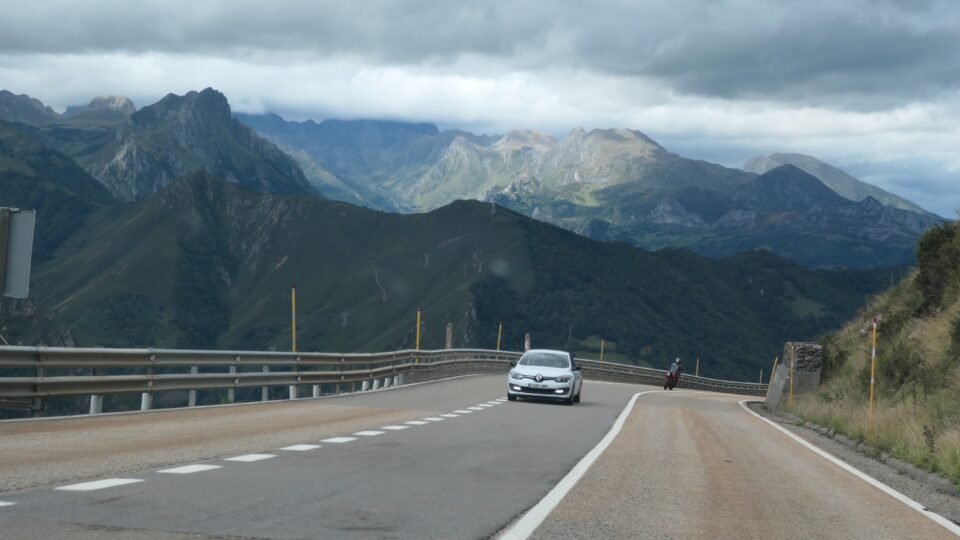
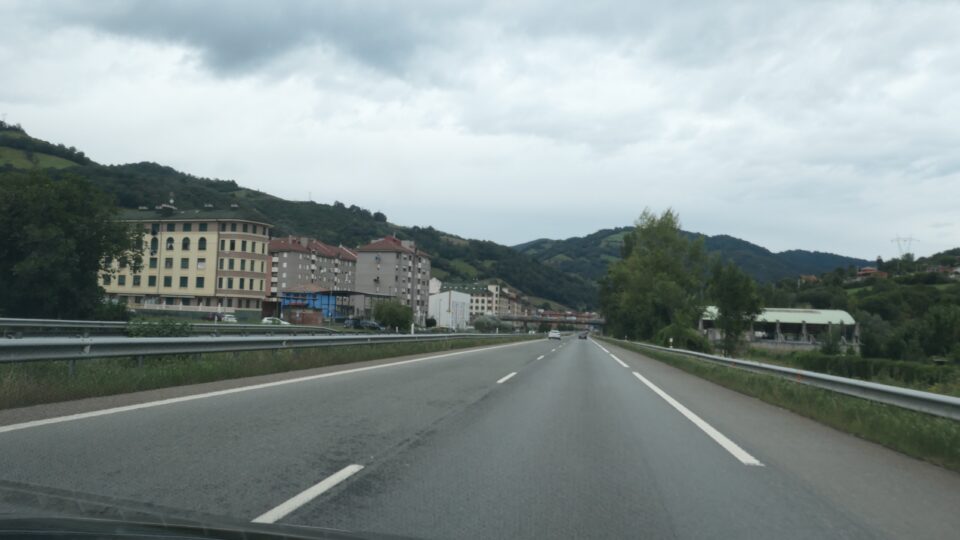
After an hour of driving, we merged back onto the main highway, which followed a river valley lined with various industries. As the rain began to pour, we continued to Oviedo, where our first impression of the city was highly positive.
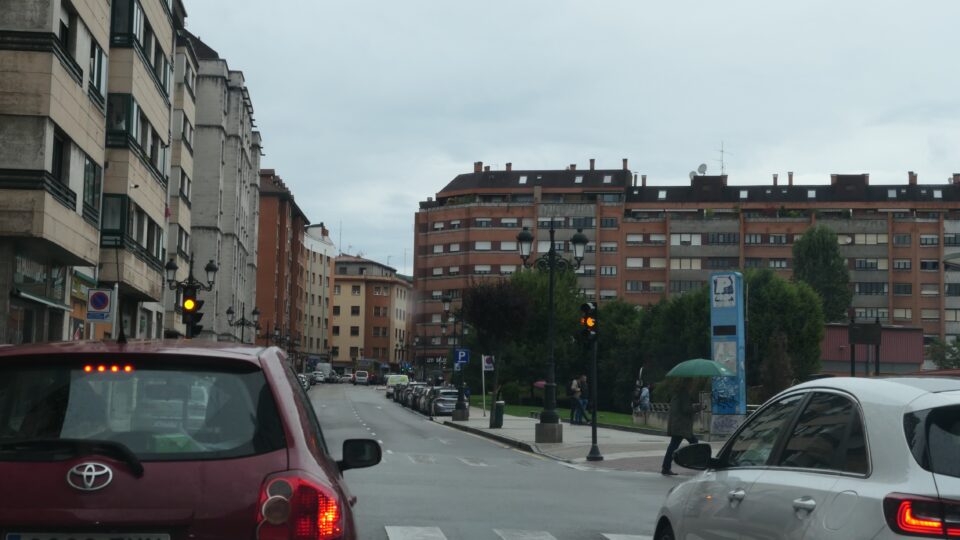
After checking into our Airbnb, we took care of some last-minute preparations for Shabbat. Tomorrow, we plan to visit the local synagogue, which, according to its website, holds morning services.
Shabbat Shalom.
Nice blog! There was so much to see in Leon. A real whirlwind day