SEPTEMBER 8, 2024 : Like yesterday morning, today started with an attempt to join the services at the local synagogue in Oviedo. According to their website, they hold services on Sunday mornings, but once again Mark found the building locked, and no one else arriving for morning prayers. Instead, he came back to our apartment, said morning prayers on his own, and afterward we returned to Oviedo’s historic center to look for the few Jewish heritage sites we had missed the day before.
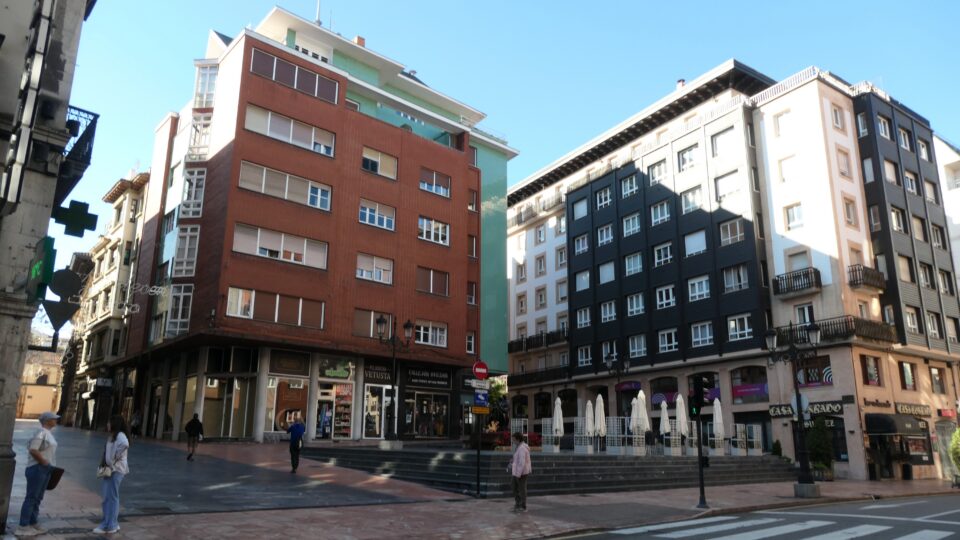
After the Ordinances of the Council in 1274, the Jews of Oviedo were required to live in the Socastiello district, alongside the citadel and the city walls. Our first destination was Plaza Juan XXIII, where a plaque marks the location of the entrance to the Jewish quarter through the New Gate of Socastiello. The plaque features a portion of the 1286 decree by King Sancho IV, which abolished the Jews’ right to have their own courts to resolve internal issues. This felt like an odd choice for a commemorative plaque: instead of highlighting the life of the Jewish community that once lived here, it quotes a decree that restricted their autonomy.
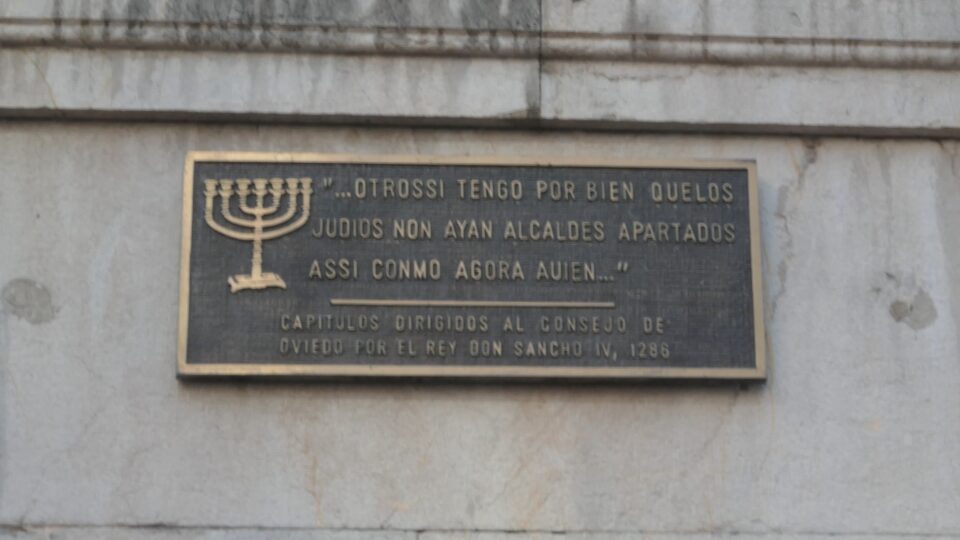
Chapters addressed to the Council of Oviedo by King Don Sancho IV, 1286.
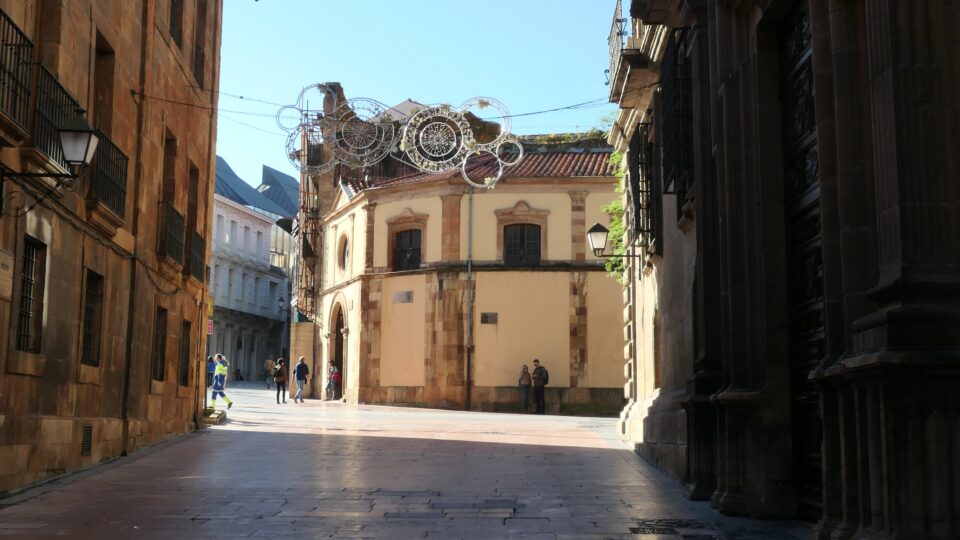
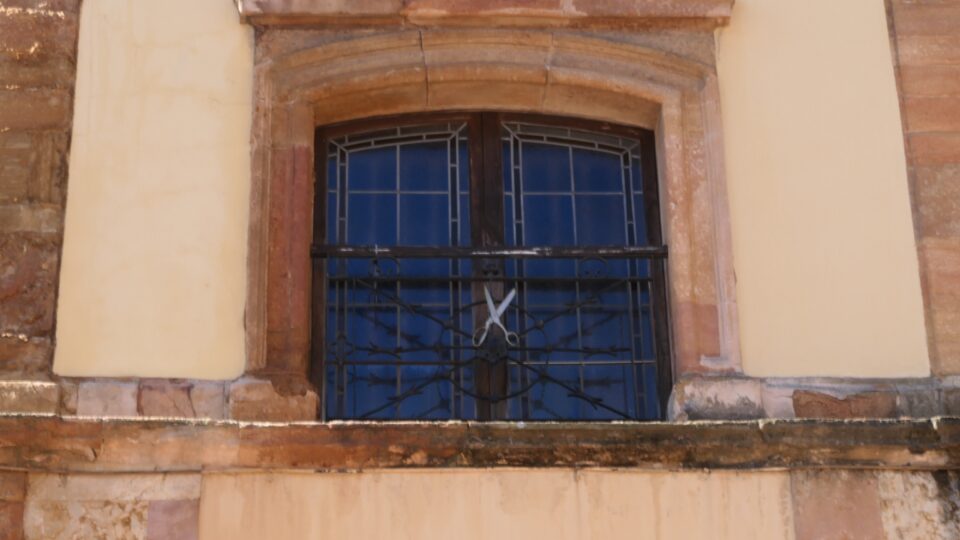
The next place we visited was the Balesquida Chapel, a small chapel located opposite the main Cathedral. It was founded in 1232 as the seat of the Balesquida brotherhood of tailors. The chapel’s connection to tailors is symbolized by the pair of scissors depicted on the corner balcony. Although the tourist office listed it as a Jewish Heritage site—possibly due to the involvement of Jewish craftsmen in the brotherhood of tailors—we found no clear evidence linking it to Oviedo’s Jewish history.
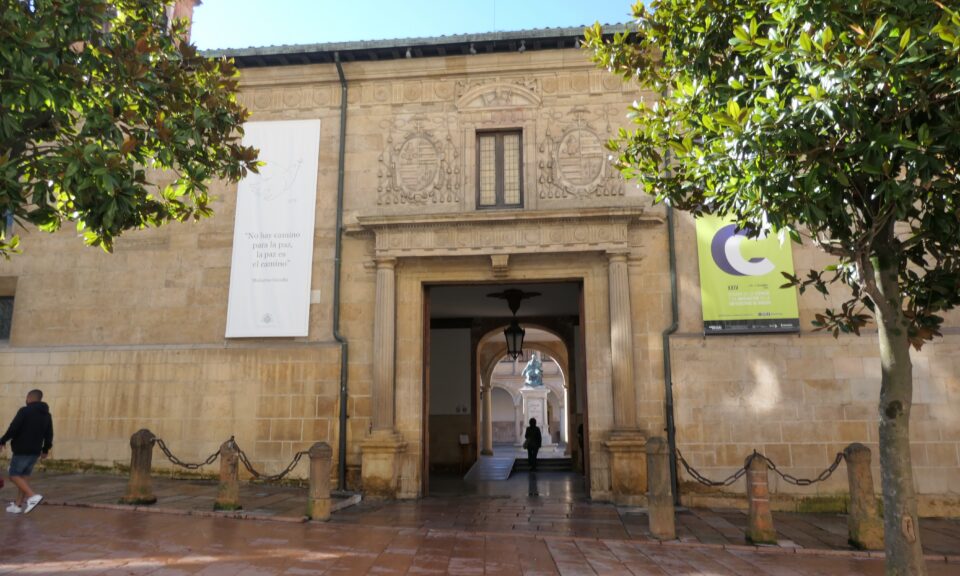
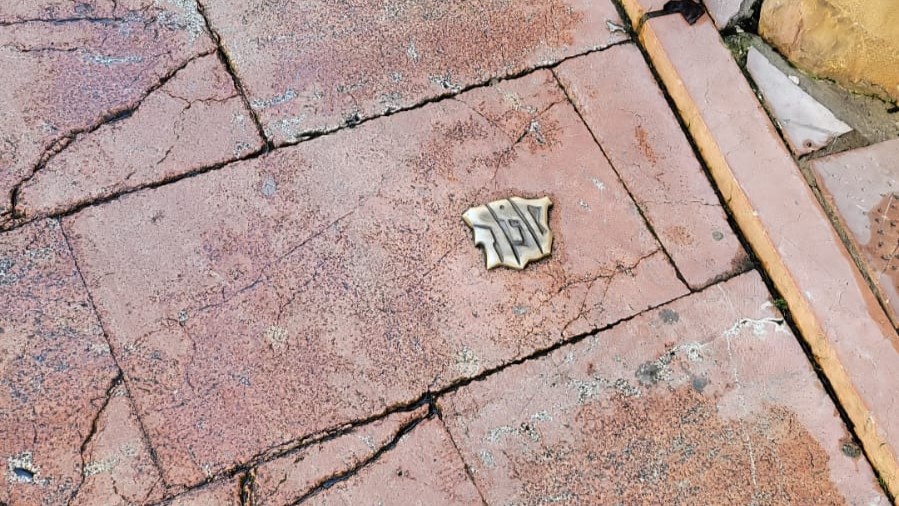
As we passed the entrance to the Oviedo Library, we noticed another Sefarad marker set into the pavement. The library is home to two notable editions of the Ferrara Bible, printed in 1553 in the Italian city of Ferrara. This was the first complete Bible published in Ladino, the Judeo-Spanish language of Sephardic Jews. Unfortunately, the library was closed, and there was no one available to ask for more information.
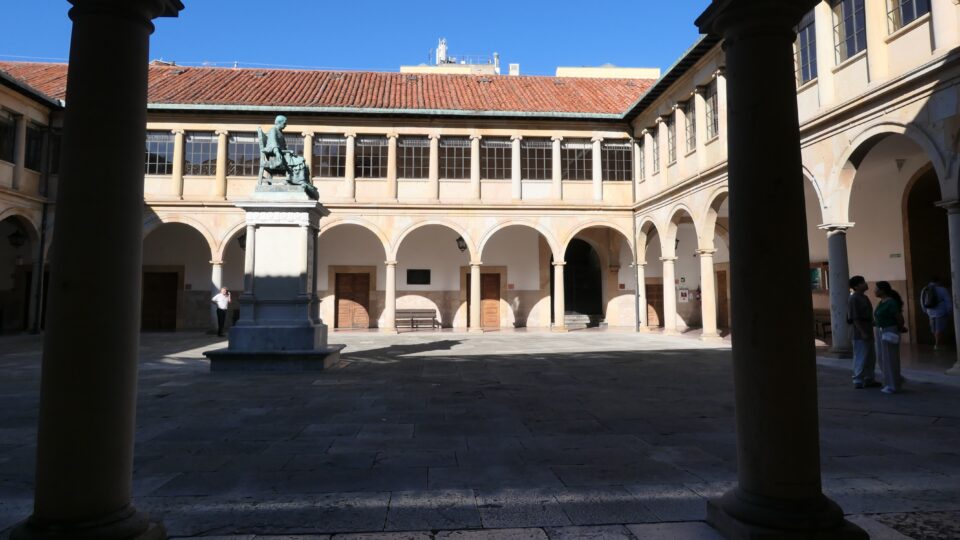
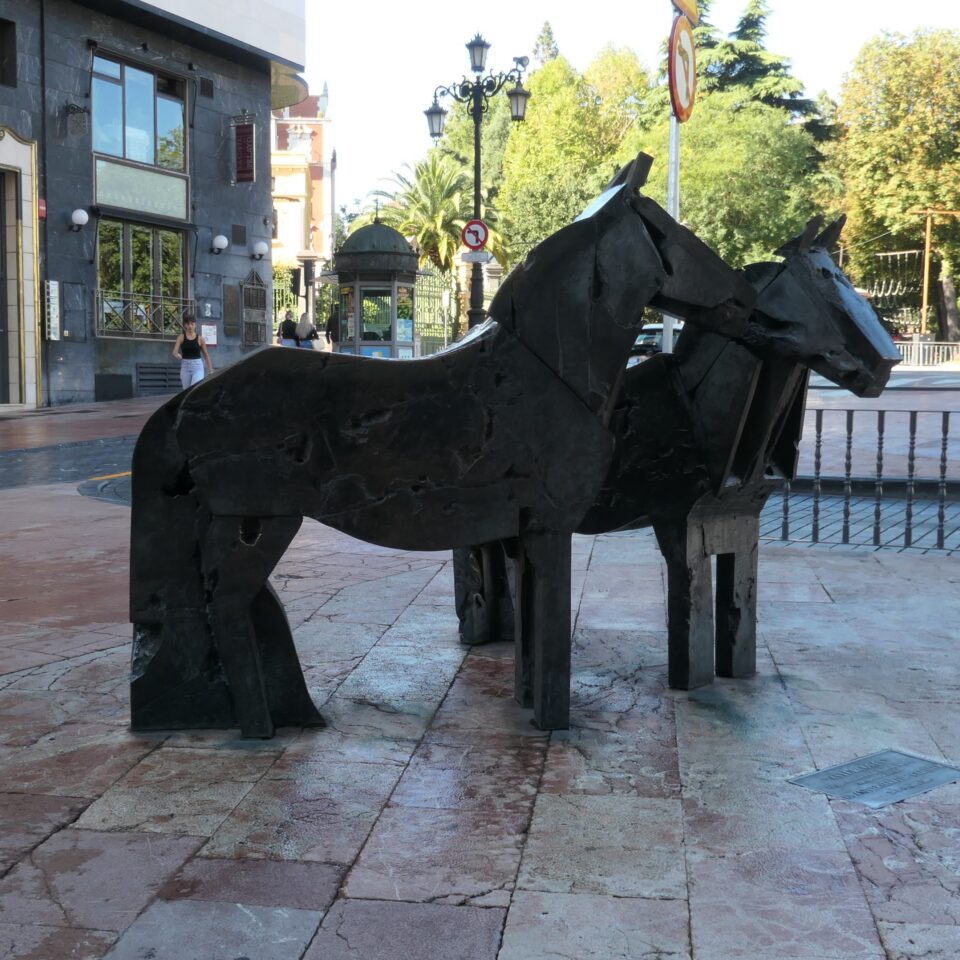
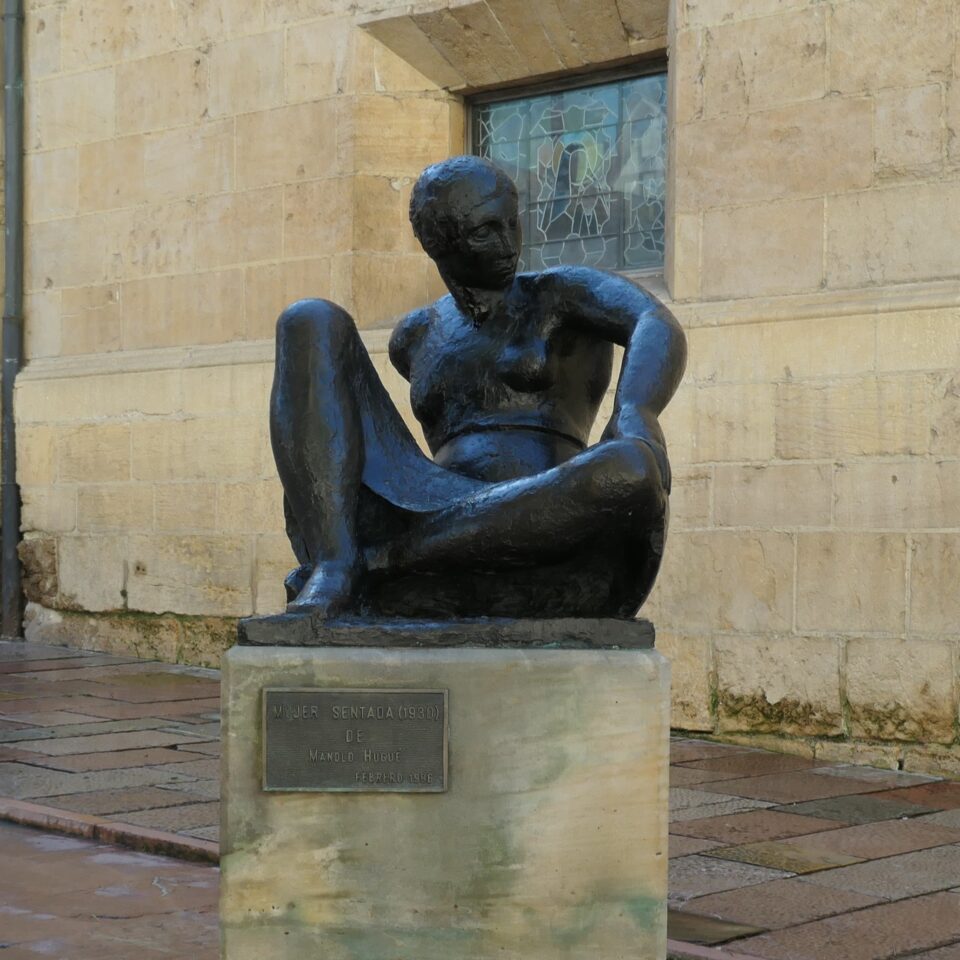
As we had seen the day before, artwork was everywhere in Oviedo.
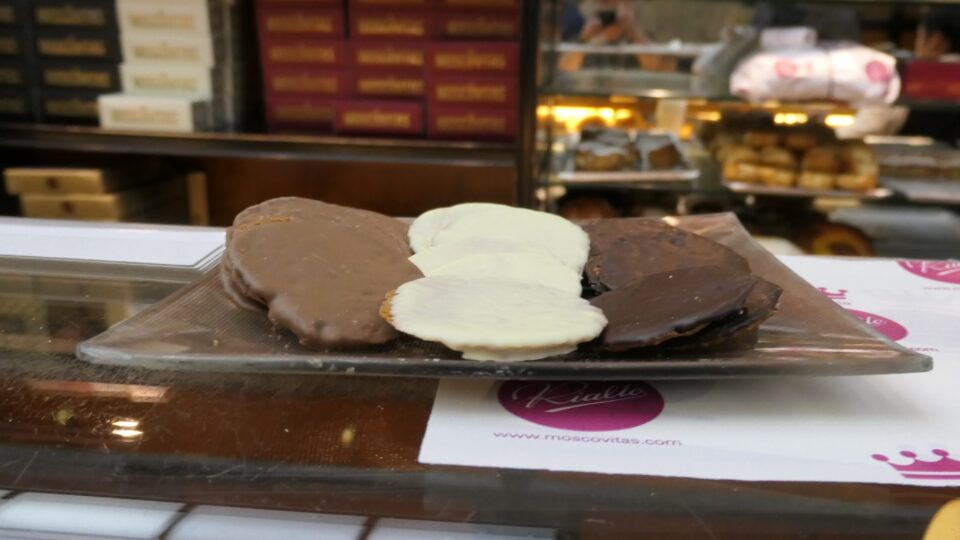
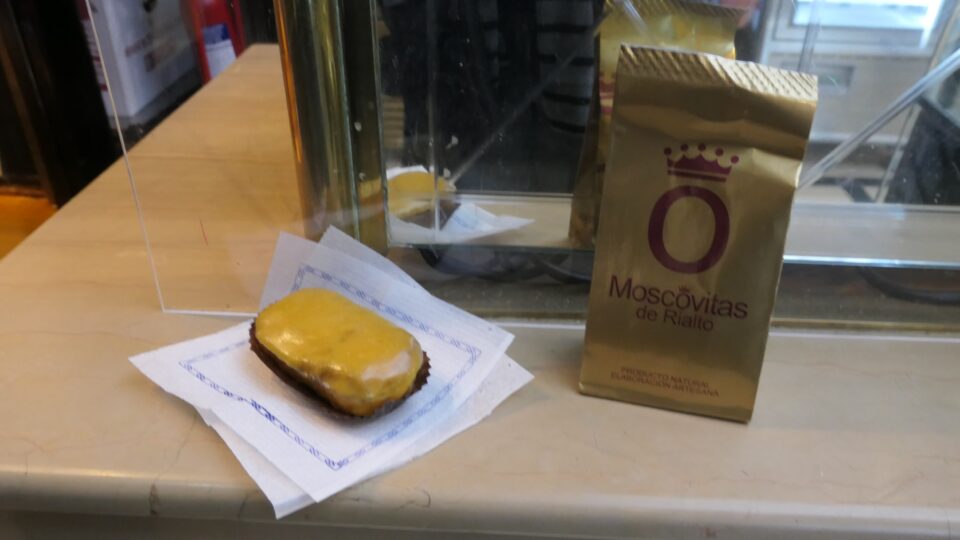
Before leaving the city, we stopped at Confitería Rialto, one of Oviedo’s best-known traditional pastry shops. Rialto is especially famous for its Moscovitas – handmade almond-and-chocolate biscuits that have become one of the city’s signature sweets. I also had to try a carbayón, a puff pastry shell filled with ground almonds and covered with a sweet glaze. The name carbayón is also a nickname for people from Oviedo. It originally referred to a large oak tree that once stood in the city – carbayu means oak in Asturian – and became one of Oviedo’s symbols.
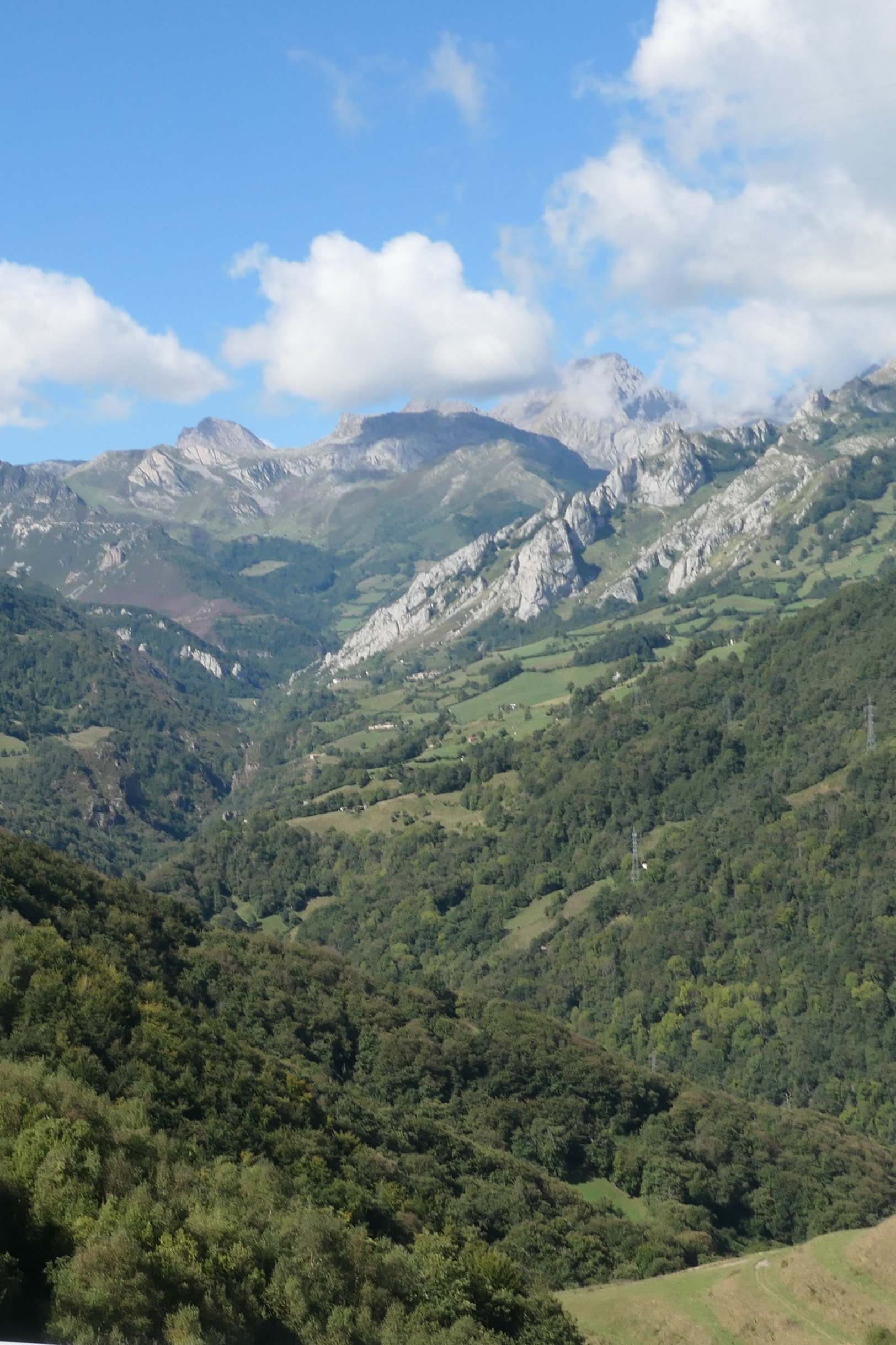
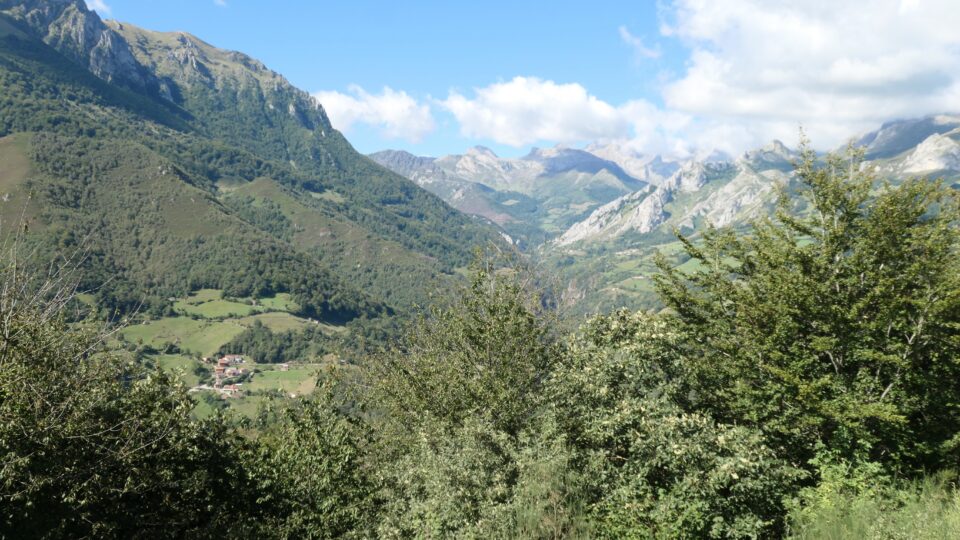
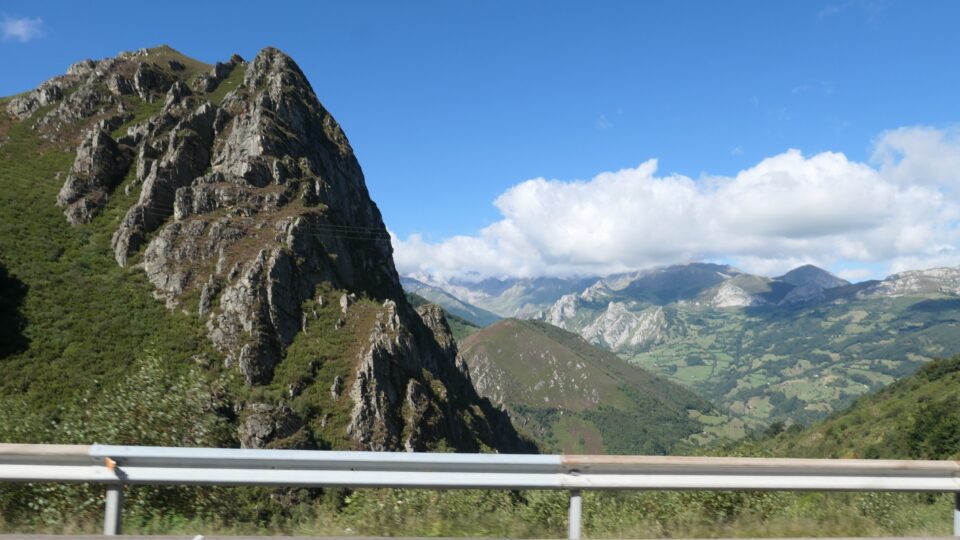
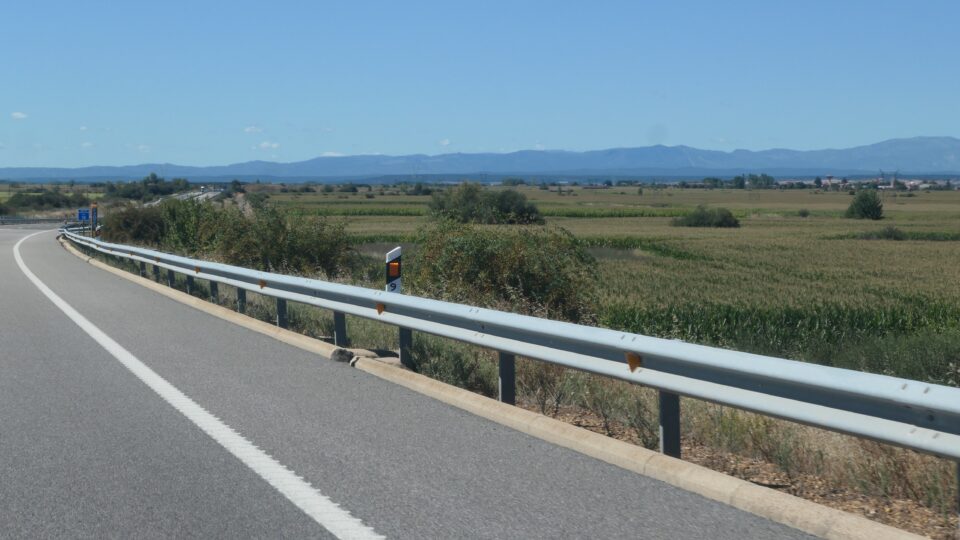
Oviedo marks the northernmost point we visited in western Spain. With a long drive ahead, we set off driving south, this time taking the main highway. Once again, we crossed the Cantabrian Mountains, with their breathtaking views. After we passed through the high mountains, the landscape gradually transformed into rolling hills and then into vast, flat agricultural plains. After a two-hour drive, we arrived in Astorga.
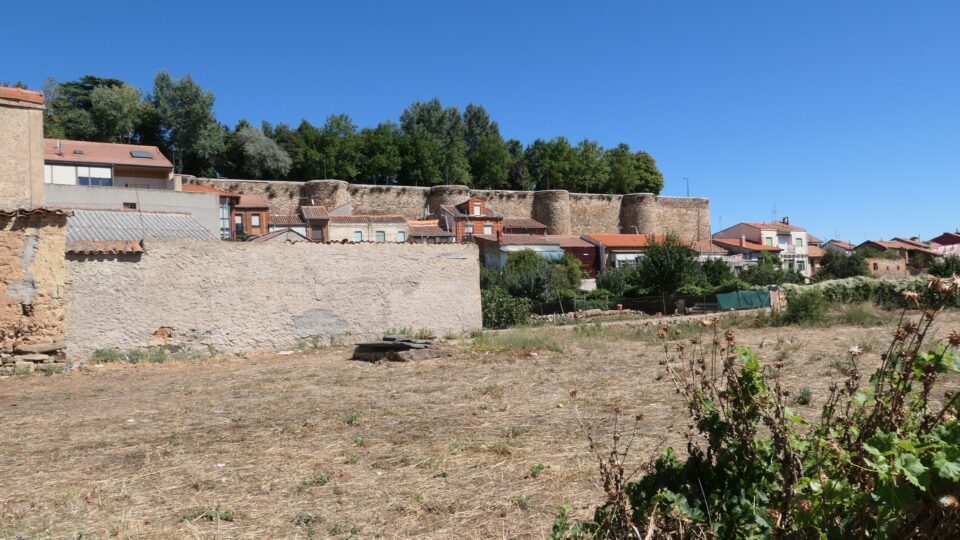
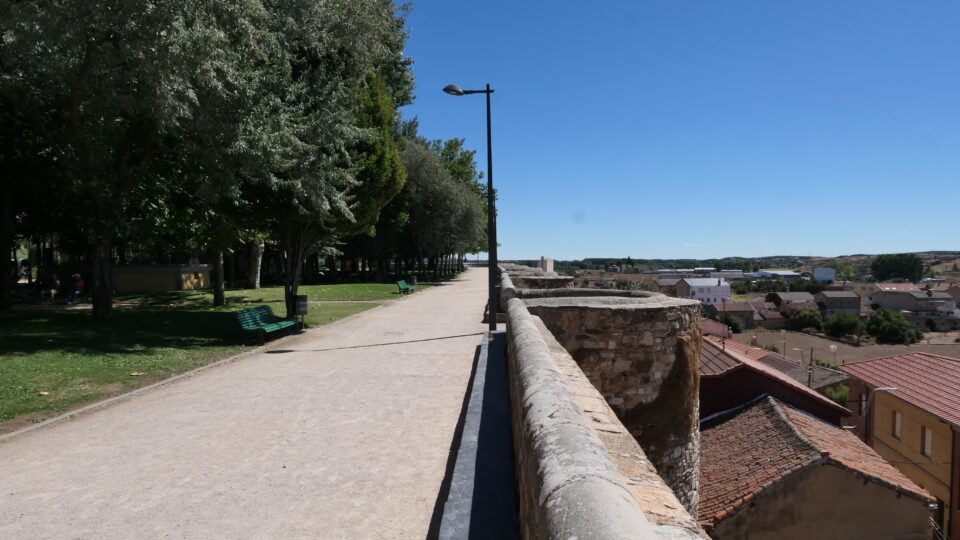
Astorga is a historic walled city in the province of León, known for its Roman remains, medieval walls, cathedral, and Gaudí’s Episcopal Palace. We parked just outside the historic center, which gave us a good first view of the city’s fortifications. The walls are quite striking, and it looked as if there was a walkway along the top, following the line of the medieval city. Inside, the main streets and squares were lively, with plenty of people sitting in restaurants and cafés.
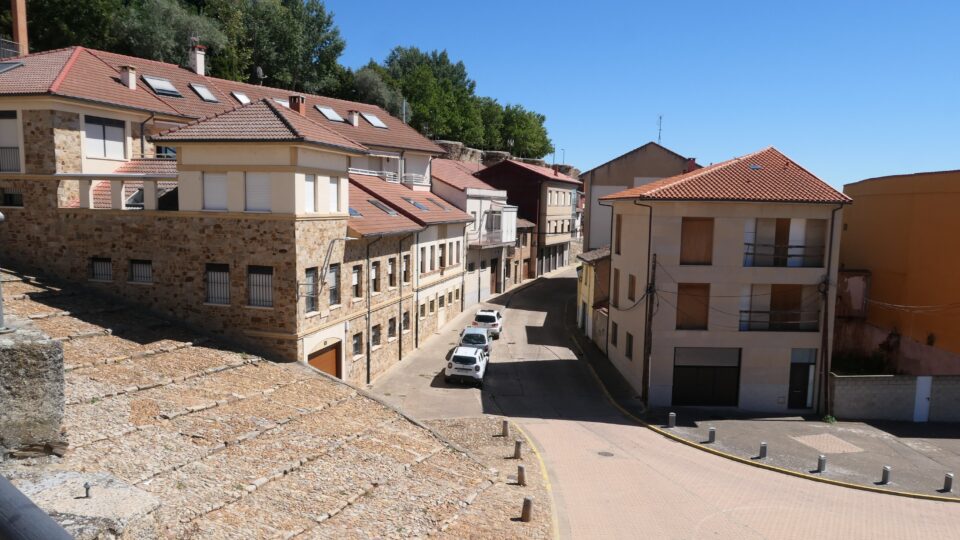
Our Jewish heritage stop in Astorga was the Garden of the Synagogue, located where the synagogue once stood. It is a beautiful little garden, but surprisingly, there were no signs explaining its history. We only knew to look for it because it appeared on the map; otherwise, there was nothing to indicate that this quiet green space had once been the site of the synagogue.
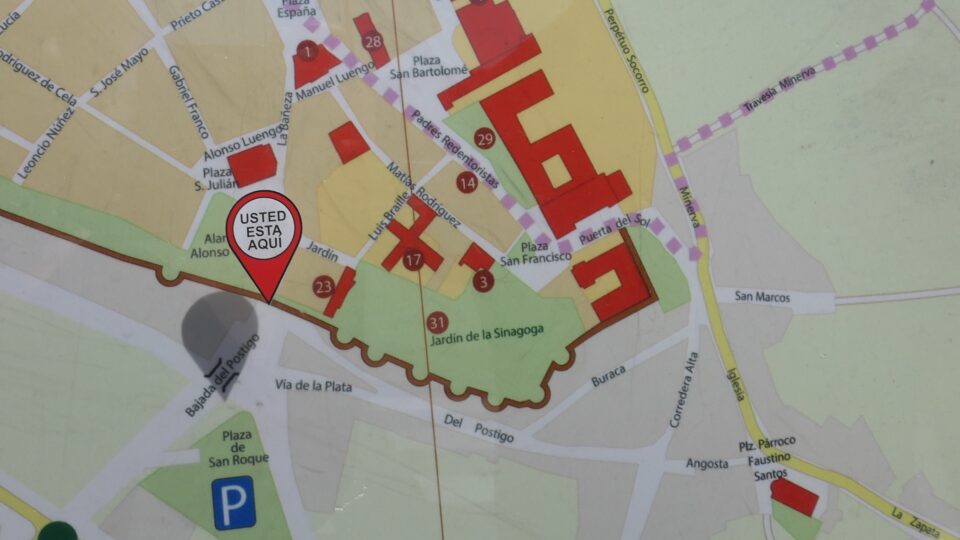
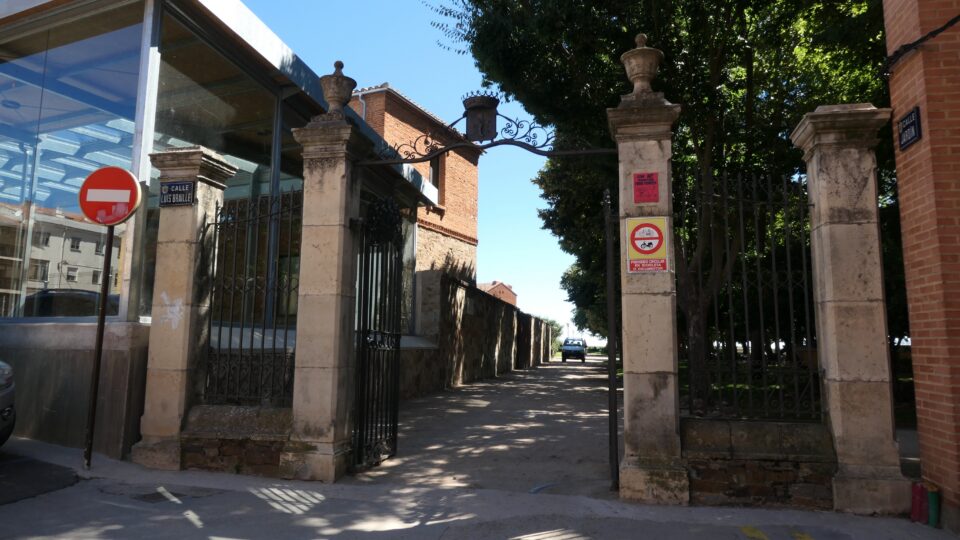
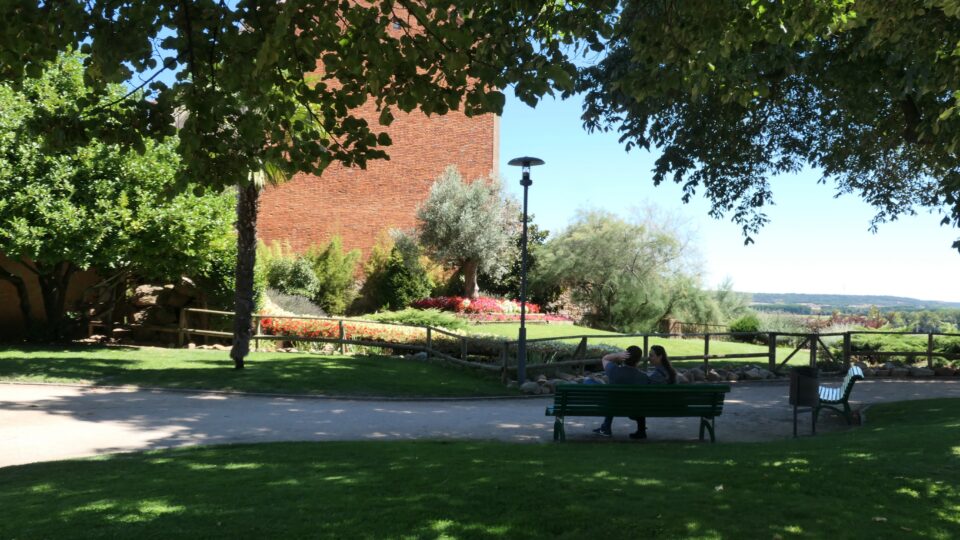
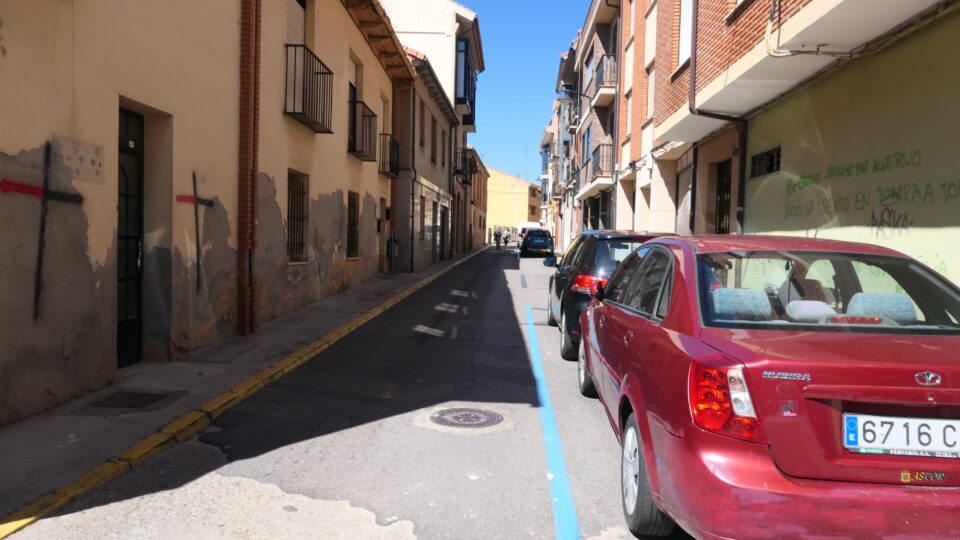
According to the book we were using, the nearby street, Calle Manuel Gullón, was possibly where the Jews once lived, so we walked down that street as well. Along the way, we also came across excavations of the Roman fort that once stood here, another reminder of Astorga’s ancient past.
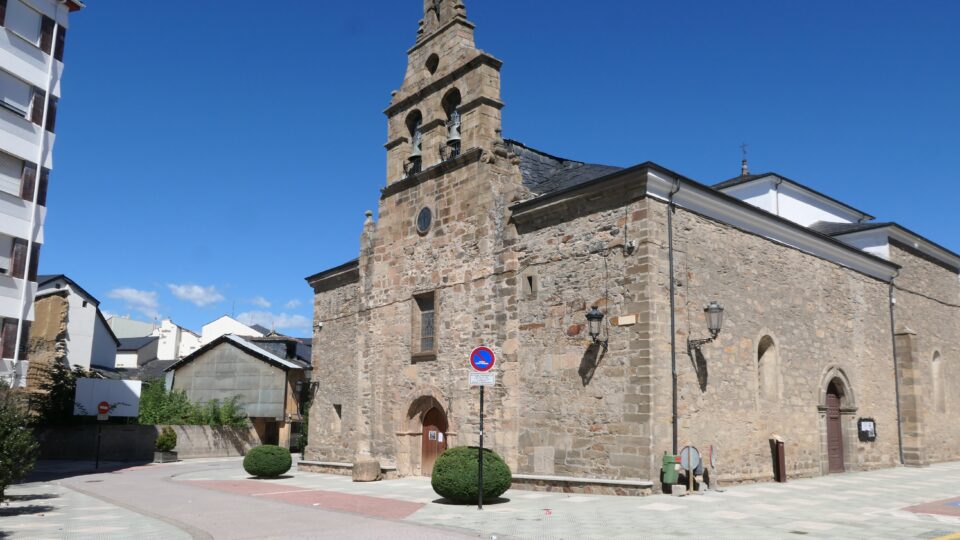
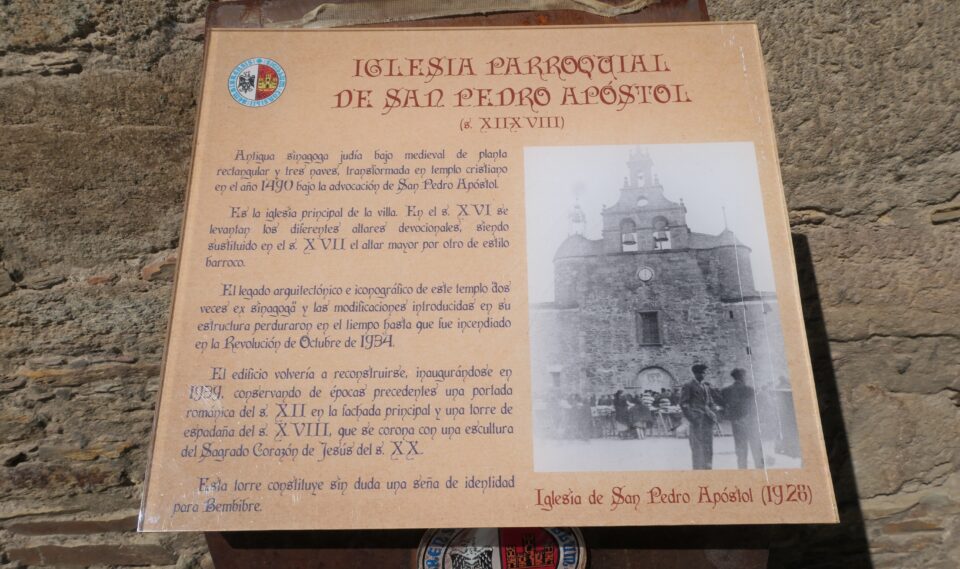
From Astorga, we continued to Bembibre. By the time we arrived, it was siesta hour, and the small town felt almost completely deserted. Our destination was a church standing alone in the middle of a tiny square, with roads pressed right up against its walls on all four sides. The church was built on the site of the former synagogue, and here, unlike in Astorga, there was at least a sign on the building acknowledging this history.
As we drove from Bembibre onward to Monforte de Lemos, the landscape shifted again: green mountains, some covered with deciduous trees just beginning to hint at autumn colors, others with evergreens, vineyards, patches of agriculture, and stretches of bare hillsides.
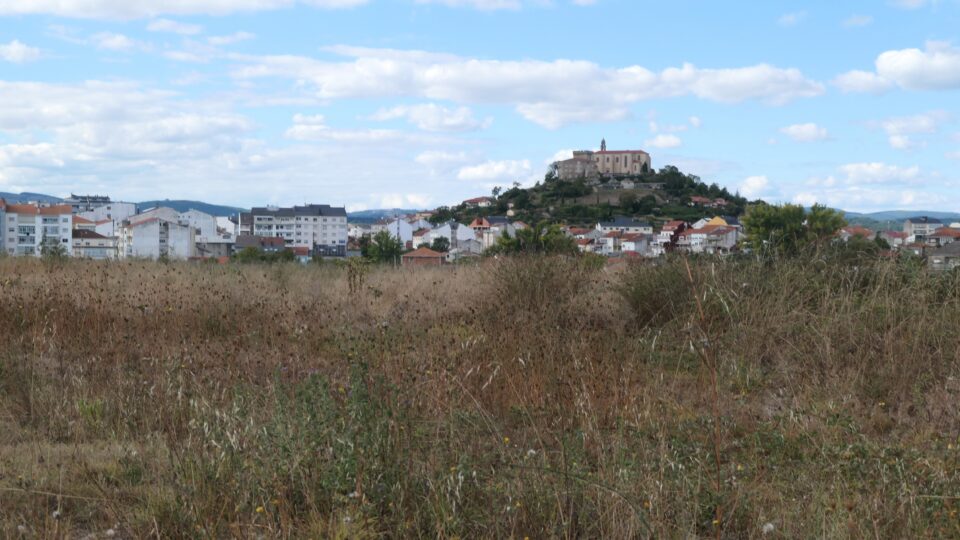
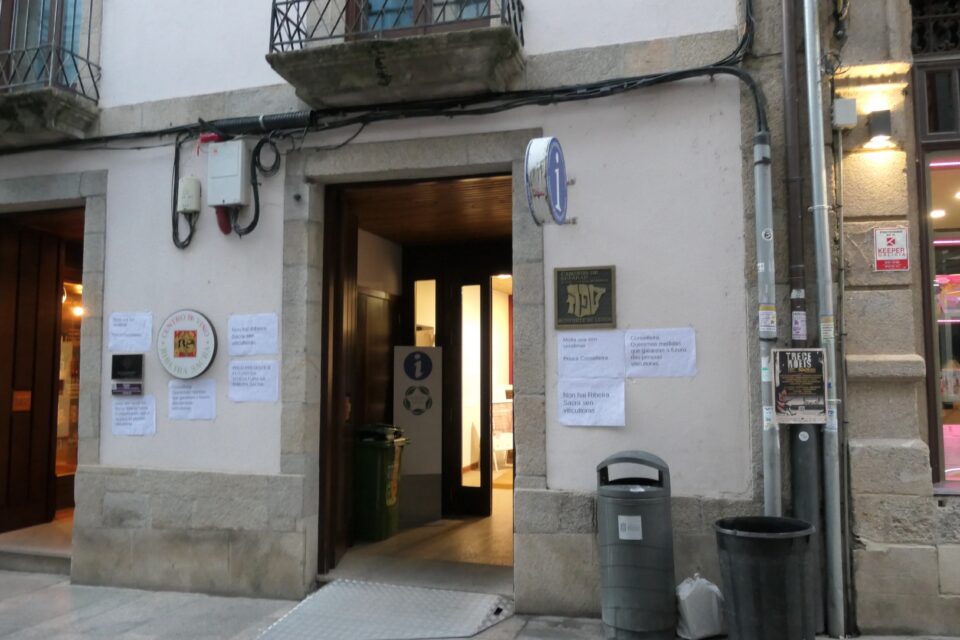
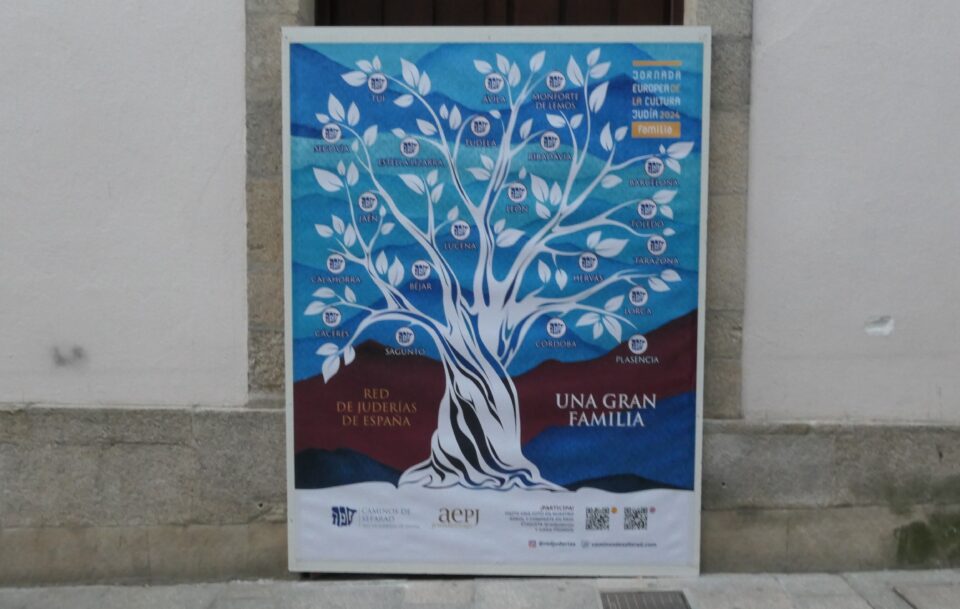
We reached our apartment in Monforte de Lemos after 5:30, had dinner, and then walked to the tourist office, which conveniently stays open until 21:00. We got another stamp in our Network of Jewish Quarters in Spain passport and picked up a general map of the town.
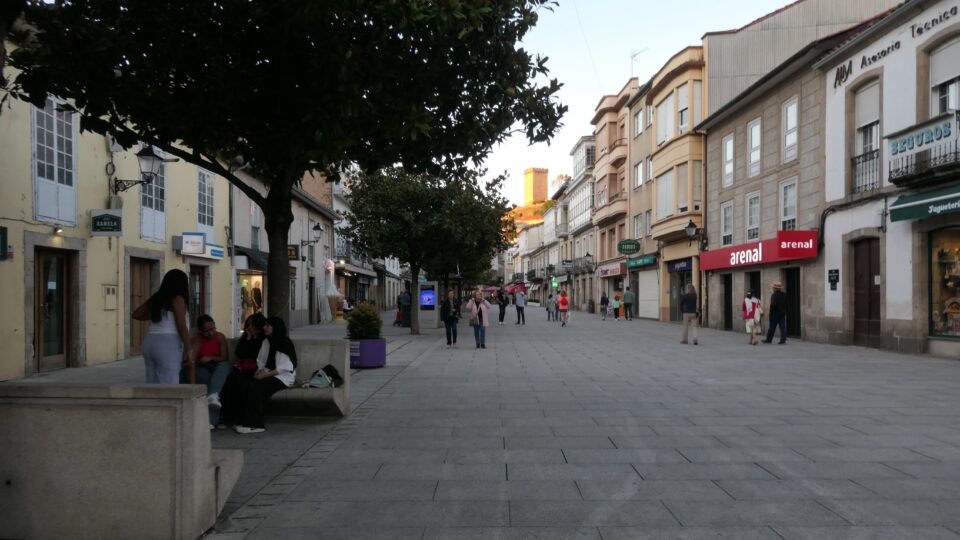
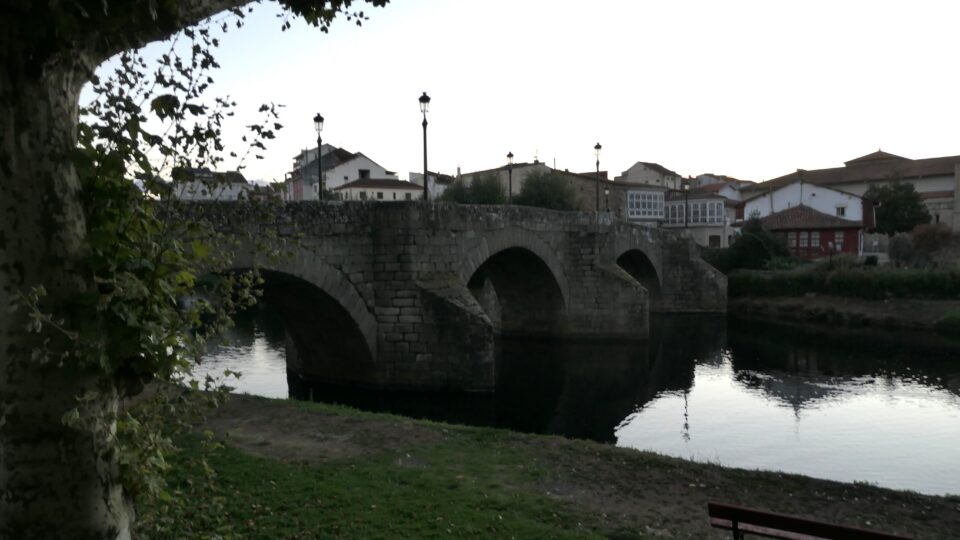
On the way back, we saw the medieval bridge that the city is known for and got our first feel for Monforte de Lemos. The town was very much alive in the evening: locals were out walking, the park across from our apartment was full of families, children were playing, picnic tables were occupied, and the sidewalk cafés were busy. After a day of driving and brief stops, Monforte de Lemos felt like a welcoming place to land. Tomorrow, we will explore it more.
I remember Monforte de Lemos fondly. Also because parking was so convenient.