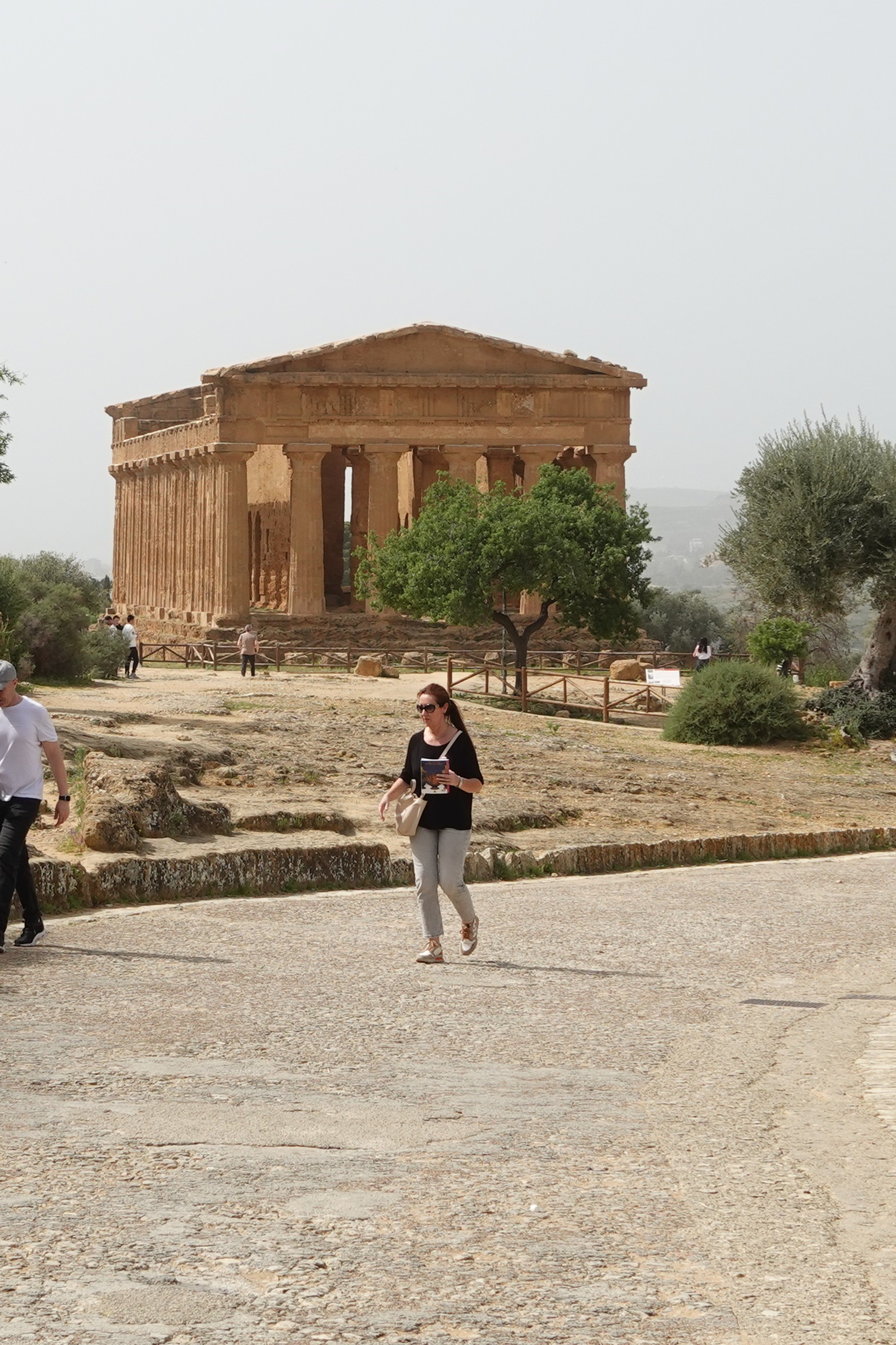
MARCH 23, 2025: Sunday morning, after doing laundry in the apartment while being serenaded by church bells, we drove to the Valley of the Temples, a large archaeological park just outside of Agrigento. Despite the name, it isn’t really a valley, but a broad plateau lined with Greek temples and is recognized as a UNESCO World Heritage Site.
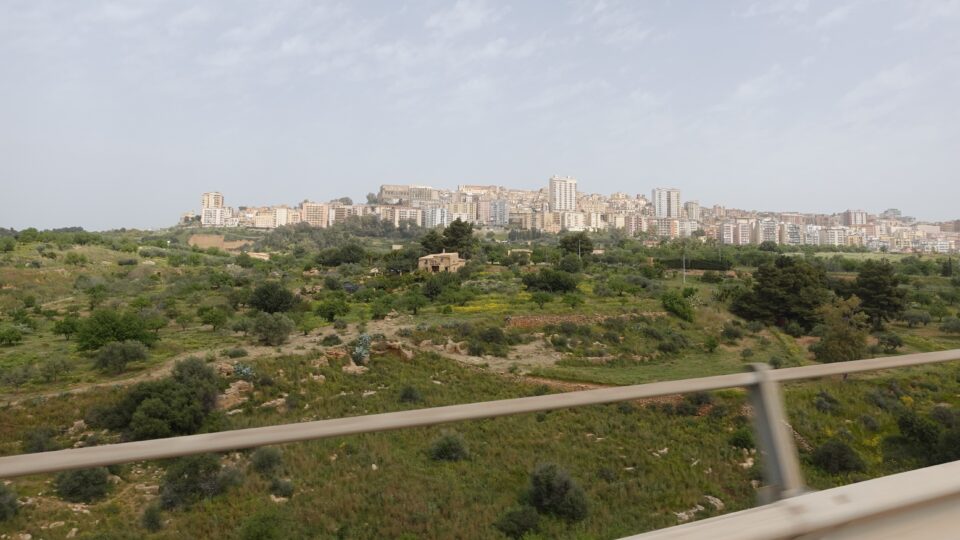
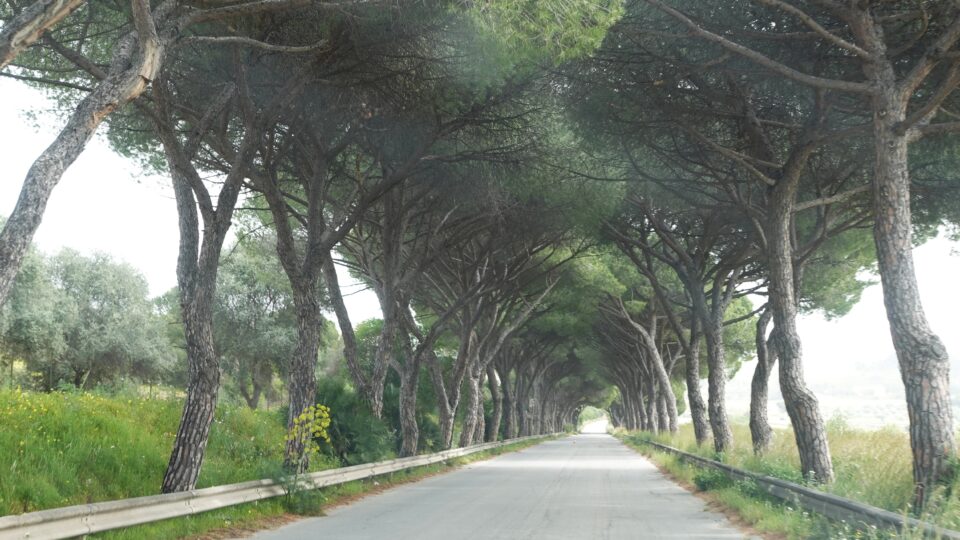
As we approached, something unusual was clearly happening: a heavy police presence and several roads closed off. We never quite figured out the reason, but after circling around we eventually found parking and went in through the eastern entrance.
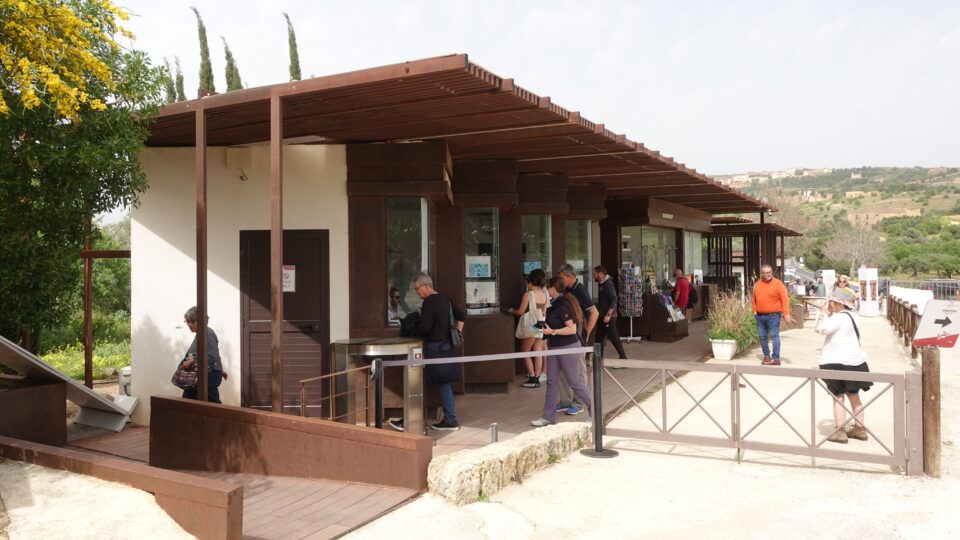
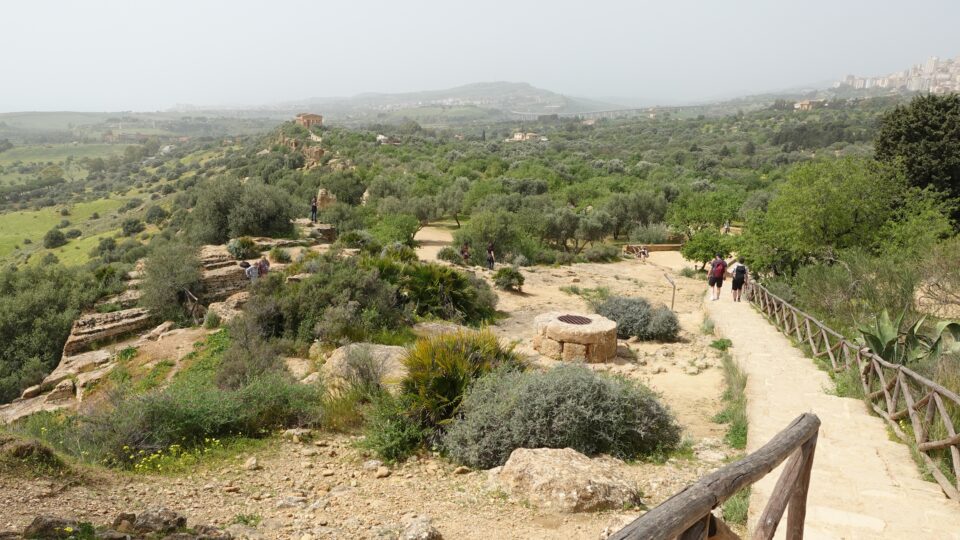
From one end of the park to the other, the main walkway stretches over two kilometers along a ridge lined with the ruins of four Doric temples, mostly dating from the 5th century BCE. Doric temples are built in the oldest and simplest of the classical Greek architectural styles, known for their sturdy columns and clean, powerful lines (as opposed to the more ornate Ionic and Corinthian styles).
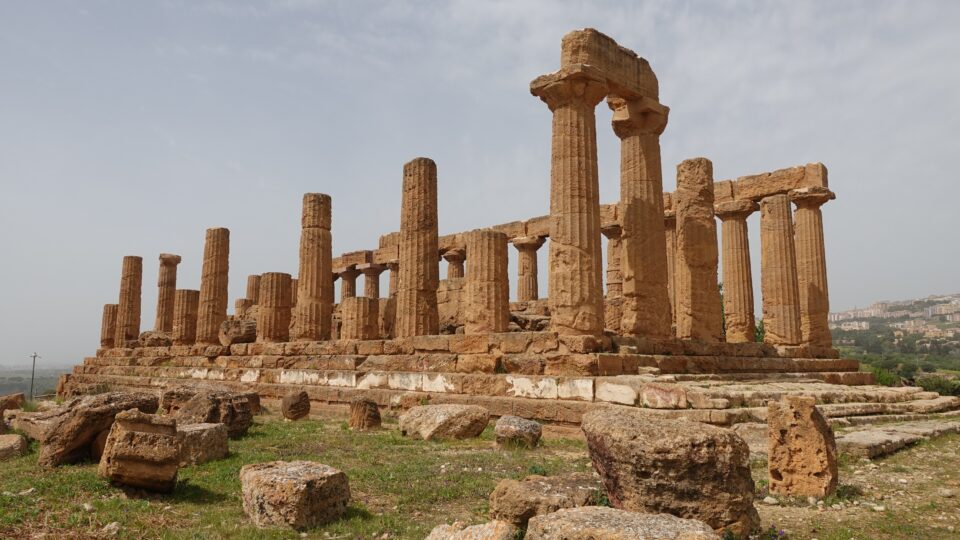
Just beyond the entrance we saw our first temple—the Temple of Hera, also known as the Temple of Juno. Why two names? Hera and Juno are essentially the same goddess, just from two different cultures. When the Romans adopted Greek mythology, they identified their own gods with Greek ones—Hera is the Greek goddess and Juno is her Roman counterpart.
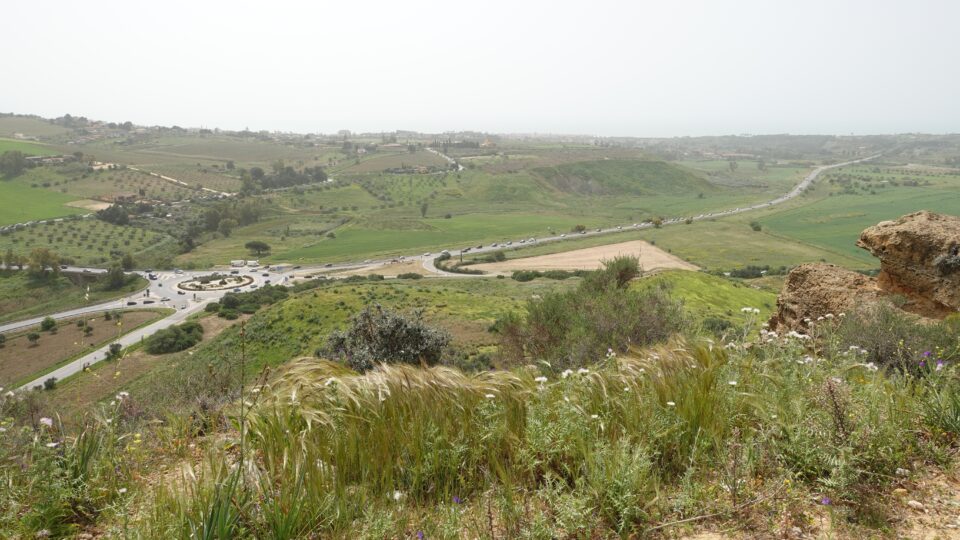
The Temple of Hera, built around 450 BCE in a striking location overlooking the sea, still has its raised stone base and a substantial portion of its outer colonnade.
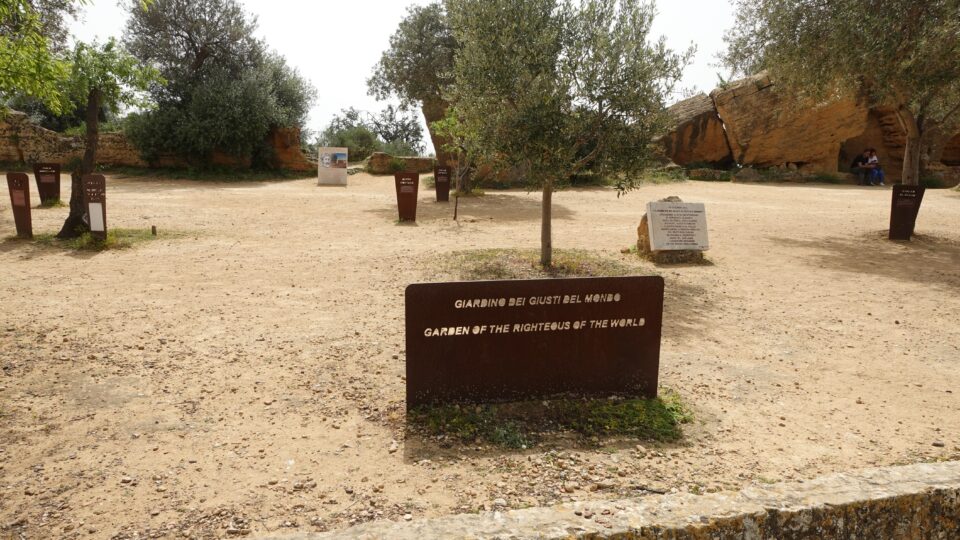
From there, we started to follow the long straight path towards the next temple. However, before we reached it, we came upon the Garden of the Righteous of the World, a memorial honoring people who defended justice and human dignity. Sitting among a sparse grove of trees, are metal and stone plaques, each bearing the name of a righteous person and a brief account of their actions. In reading the plaques, we found several with a Jewish connection.
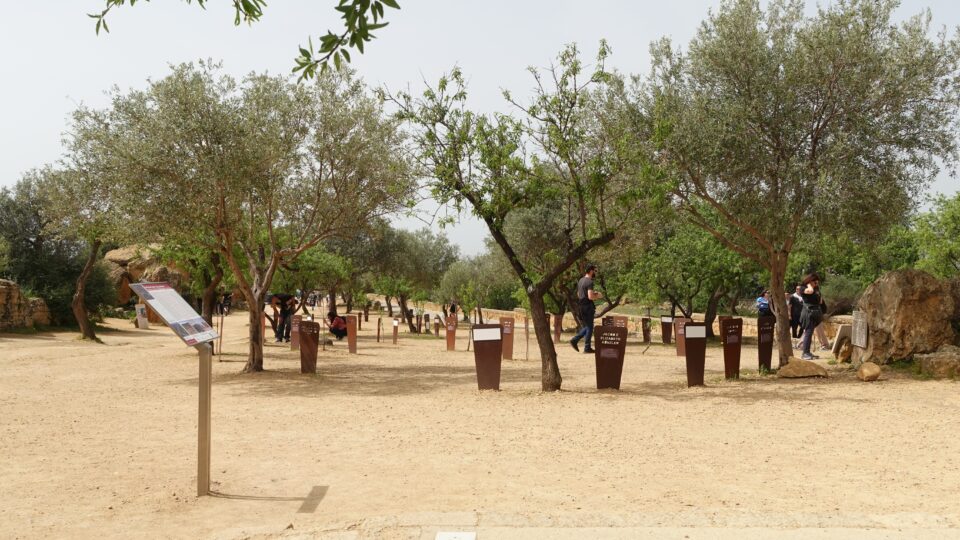
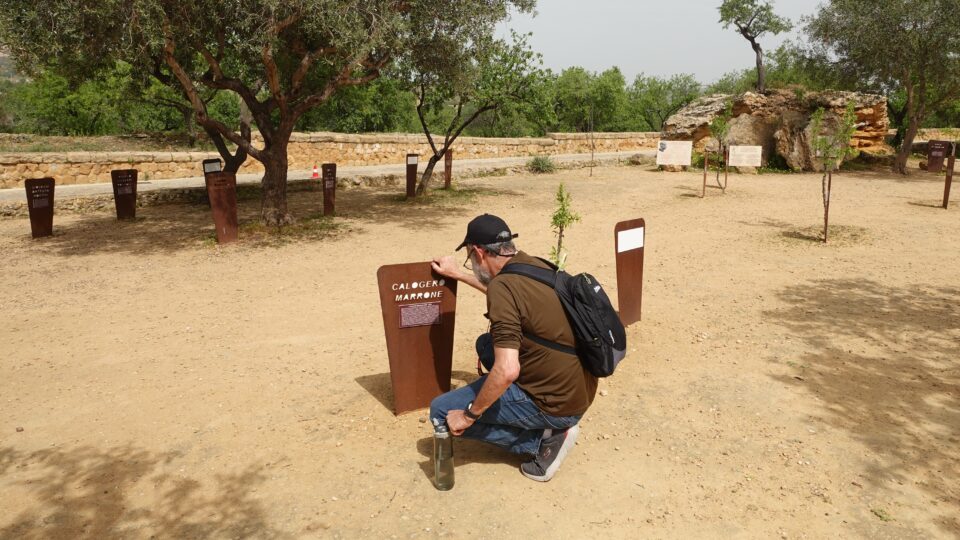
Calogero Marrone (1889–1945), an Italian official in Varese, secretly issued hundreds of documents that helped Jews escape Nazi persecution; he was arrested in 1944 and killed in Dachau. King Mohammed V of Morocco protected Moroccan Jews during World War II by resisting Vichy anti-Jewish laws and insisting they were his citizens deserving equal protection. Alcide Lazzeri, an Italian Catholic priest, was killed in Sant’Anna di Stazzema after offering his life in place of others and remaining with civilians—including Jews—during the Nazi massacre. Armin T. Wegner, a German writer, publicly protested the persecution of Jews in 1933, becoming one of the earliest non-Jewish defenders of Jewish rights. This is just a small sampling among many honored here.
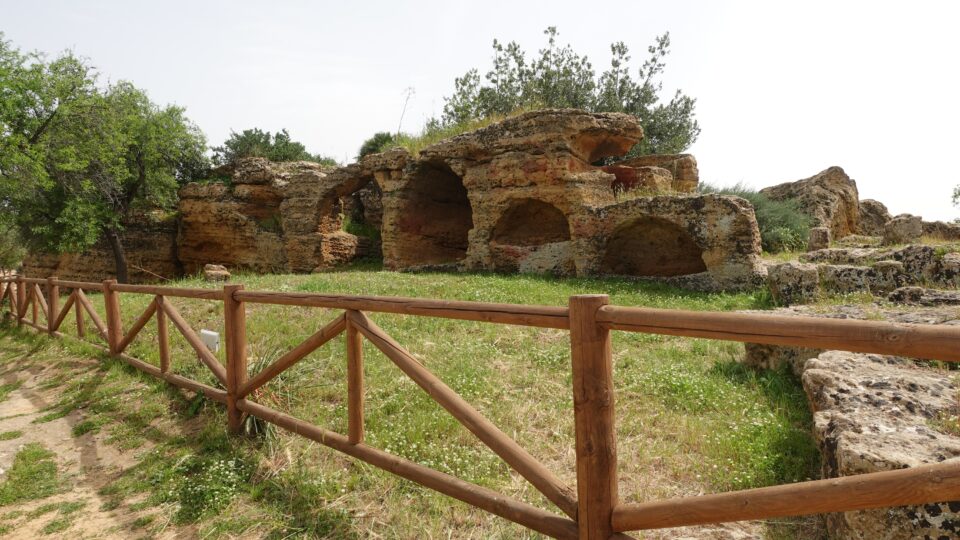
We continued along the pathway and before reaching the Temple of Concordia, we passed a hillside dotted with rock-cut tombs—arched niches carved into the stone—forming an ancient burial ground.
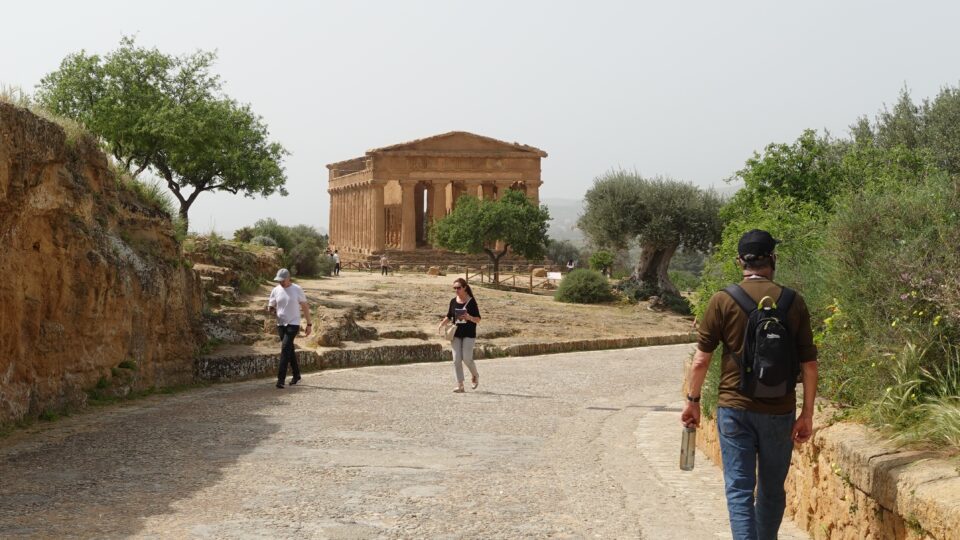
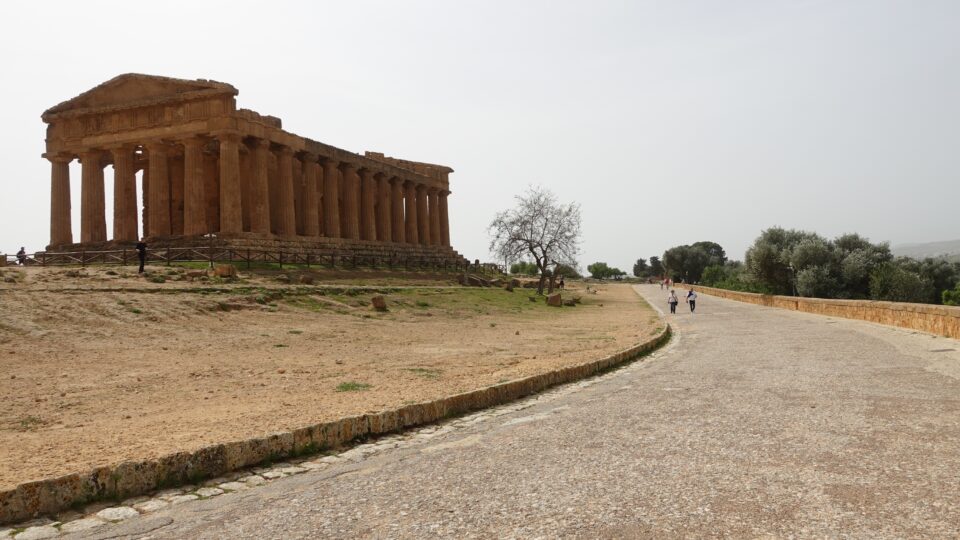
The Temple of Concordia, built around 440 BCE, is one of the best-preserved Doric temples in the world, its near-complete colonnade standing almost exactly as it did in antiquity thanks to its later conversion into a Christian church.
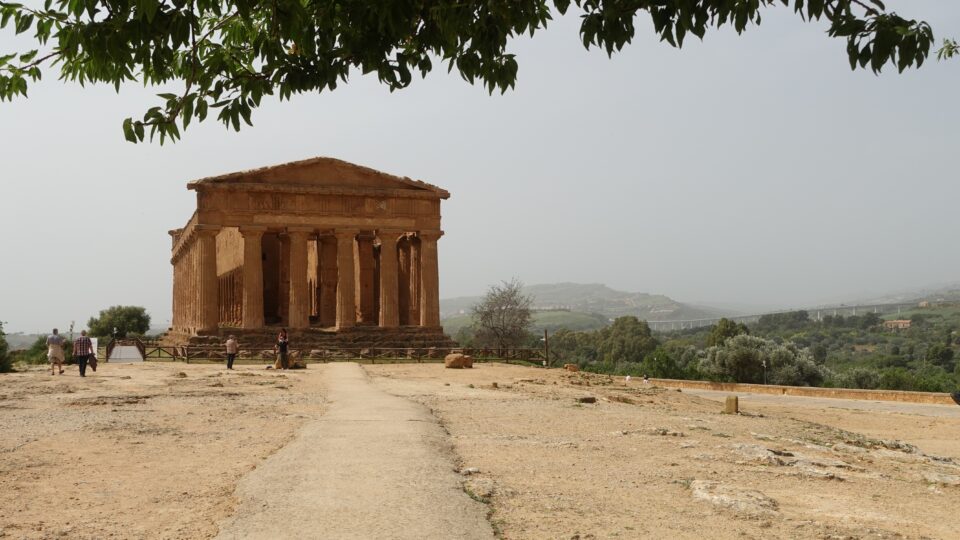
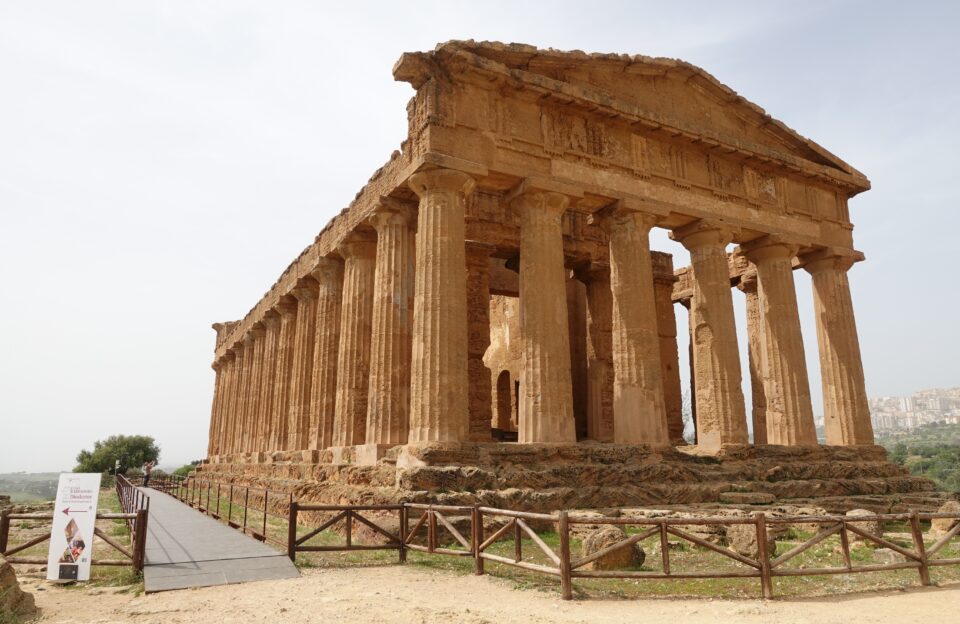
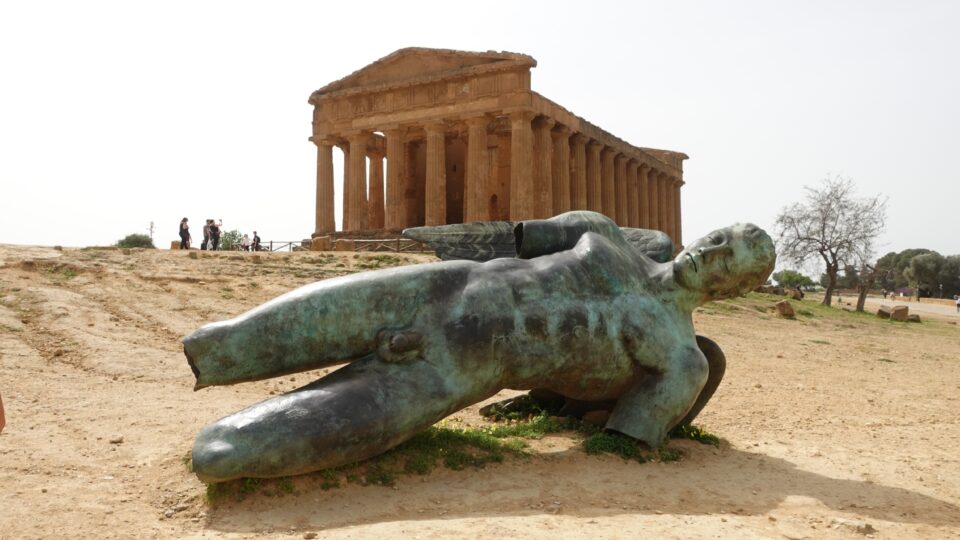
In front of the temple, is a huge, modern bronze statue of Icarus Fallen. It depicts the Greek myth of Icarus, who flew too close to the sun on wings of wax and feathers, causing them to melt and sending him plunging to the earth.
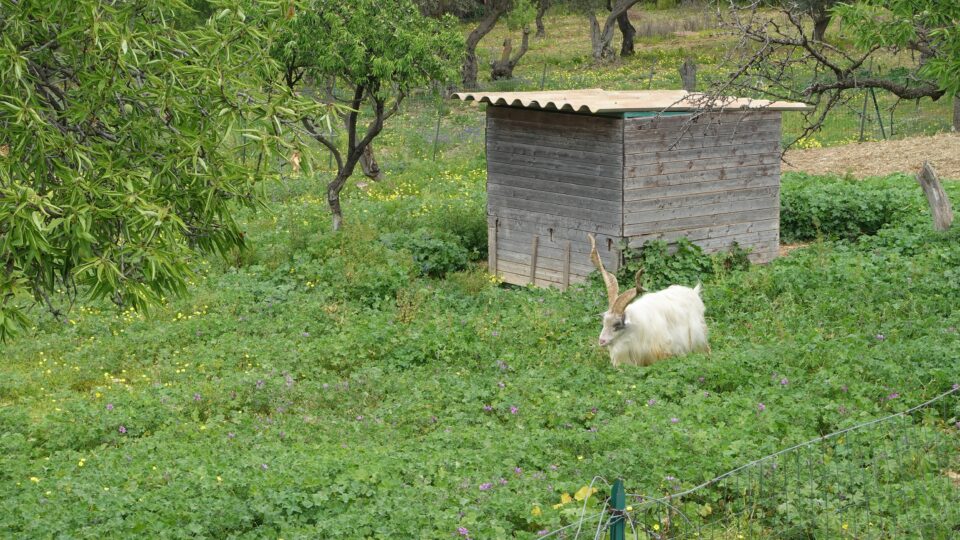
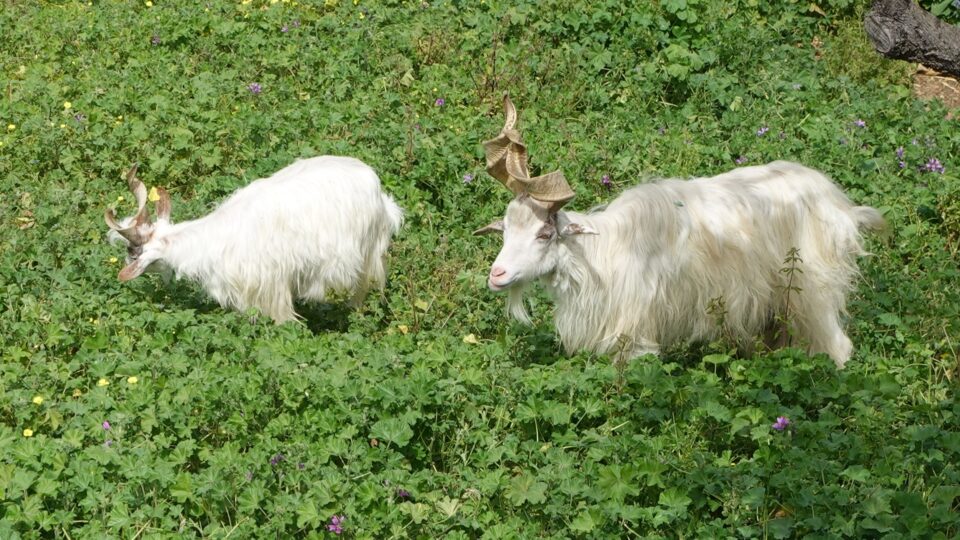
On the way to the next temple, we passed a fenced field with unusual Girgentana goats, known for their striking spiral horns and white coats. The breed declined toward extinction in recent decades, but conservation efforts since 2000 have aimed to reintroduce and preserve these special goats in the Valley of the Temples.
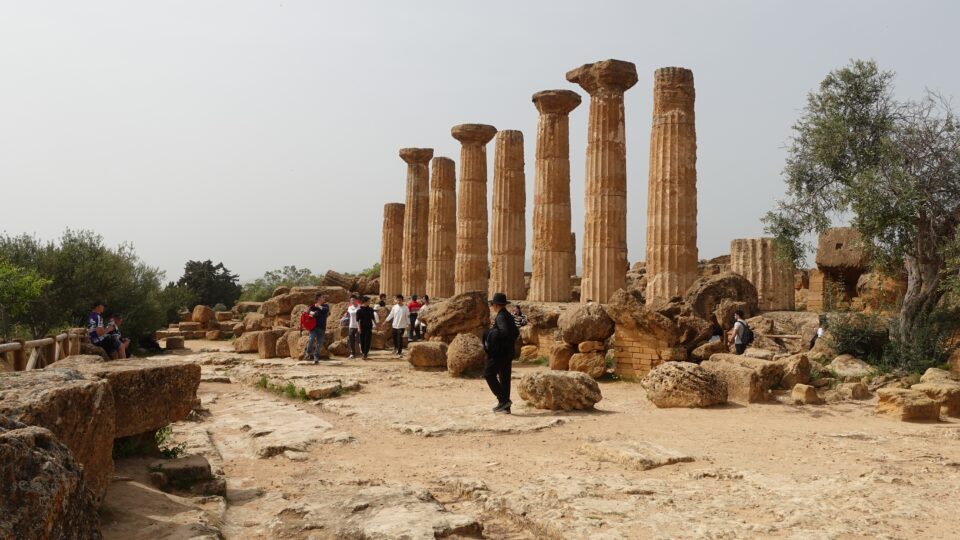
The third temple, the once massive Temple of Heracles (also known as the Temple of Ercole) is the oldest in the Valley of the Temples, dating to the late 6th century BCE. It originally had 38 columns, of which only 8 remain standing today.
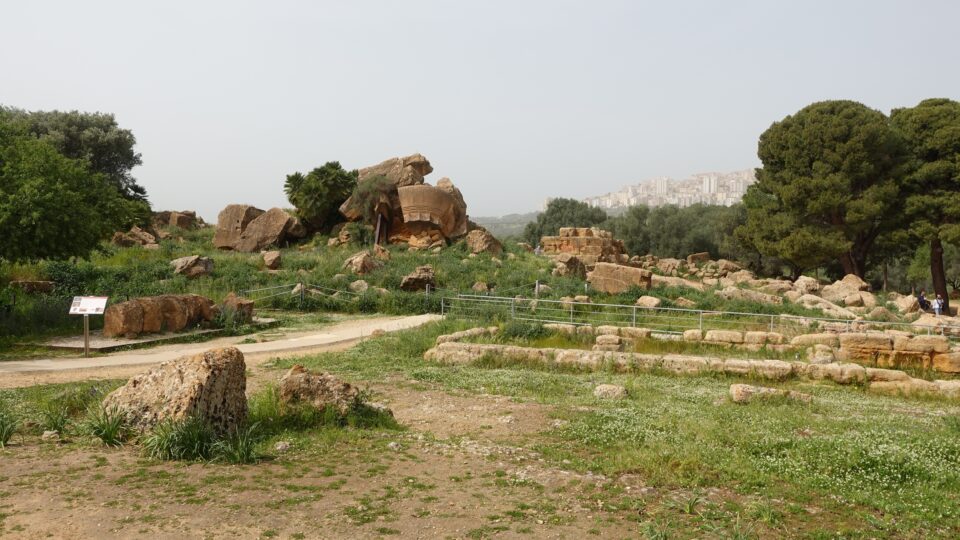
Nearby, once stood the never fully completed Temple of Zeus. It was supposed to be the largest temple ever built in the Greek world. Today it is a huge field of ruins, not a standing temple, with massive stone blocks and fragments spread across the area.
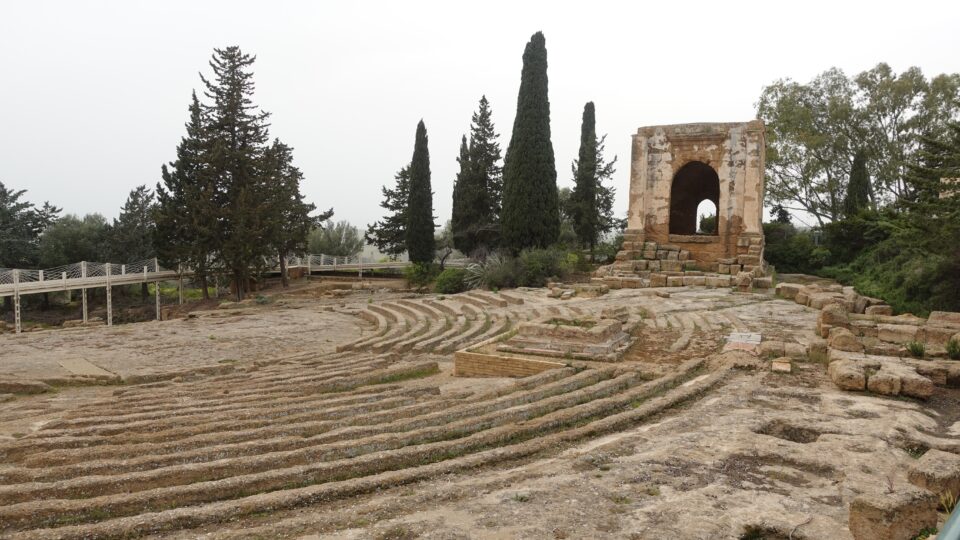
We had seen all four temples, but we continued onward and reached the Sanctuary of the Chthonic Deities, a broad area of low stone foundations, rough blocks, and open earth. This was where worshippers once left offerings—small figurines, vessels, and personal objects—placing them in pits, altars, and simple shrines.
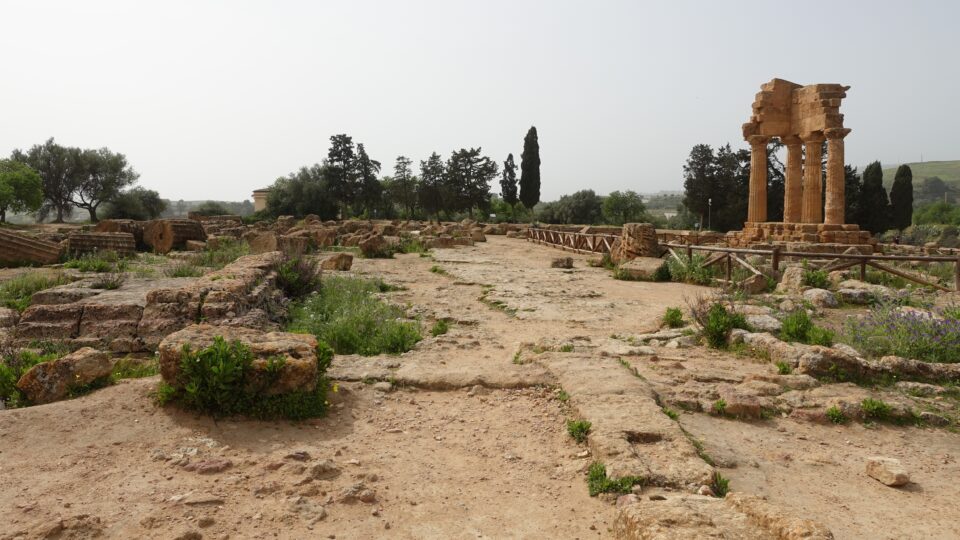
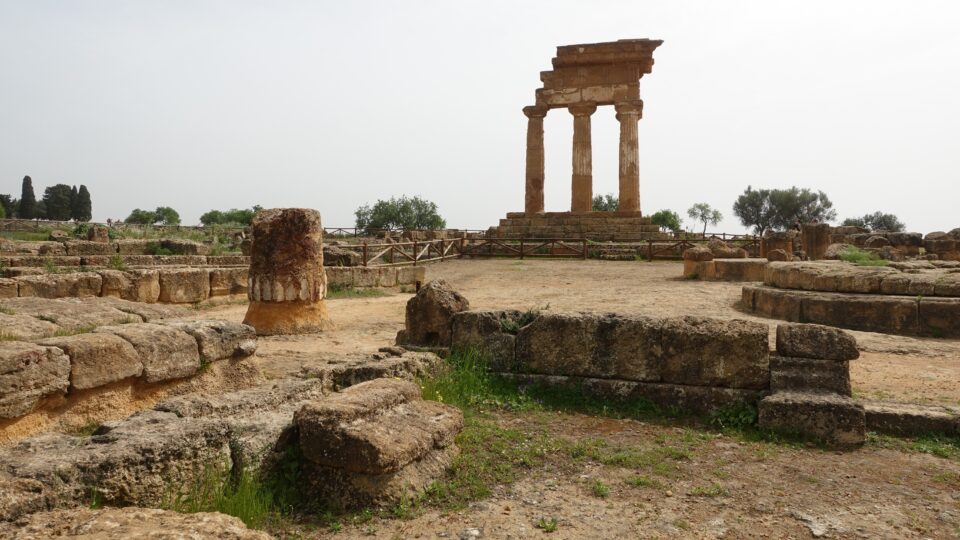
On one side stood four slender columns topped by a horizontal structure: the Temple of Castor and Pollux (also known as the Temple of Dioscuri). Originally part of a larger 5th-century BCE temple, this is a 19th-century reconstruction, with the columns reassembled from scattered ruins nearby.
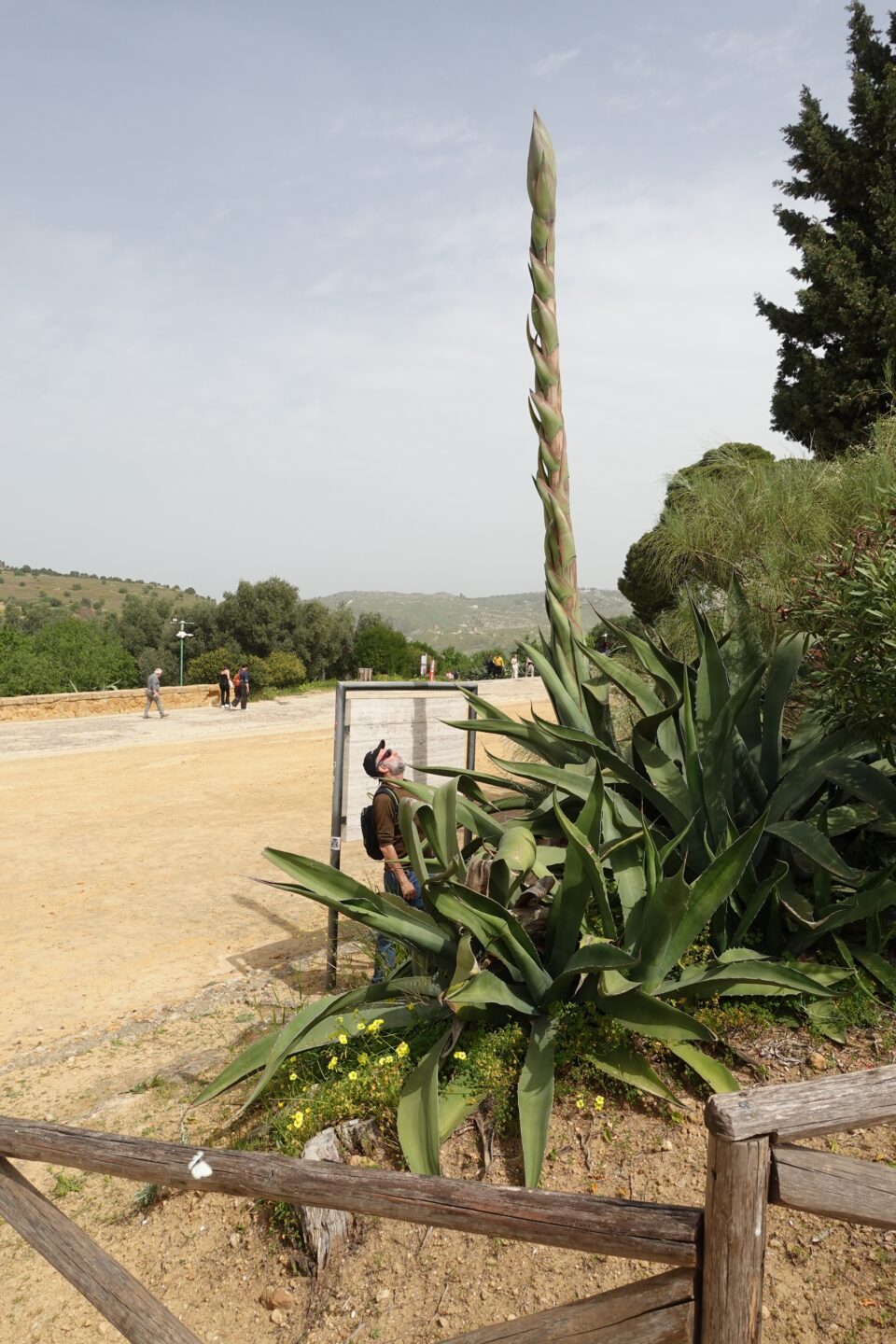
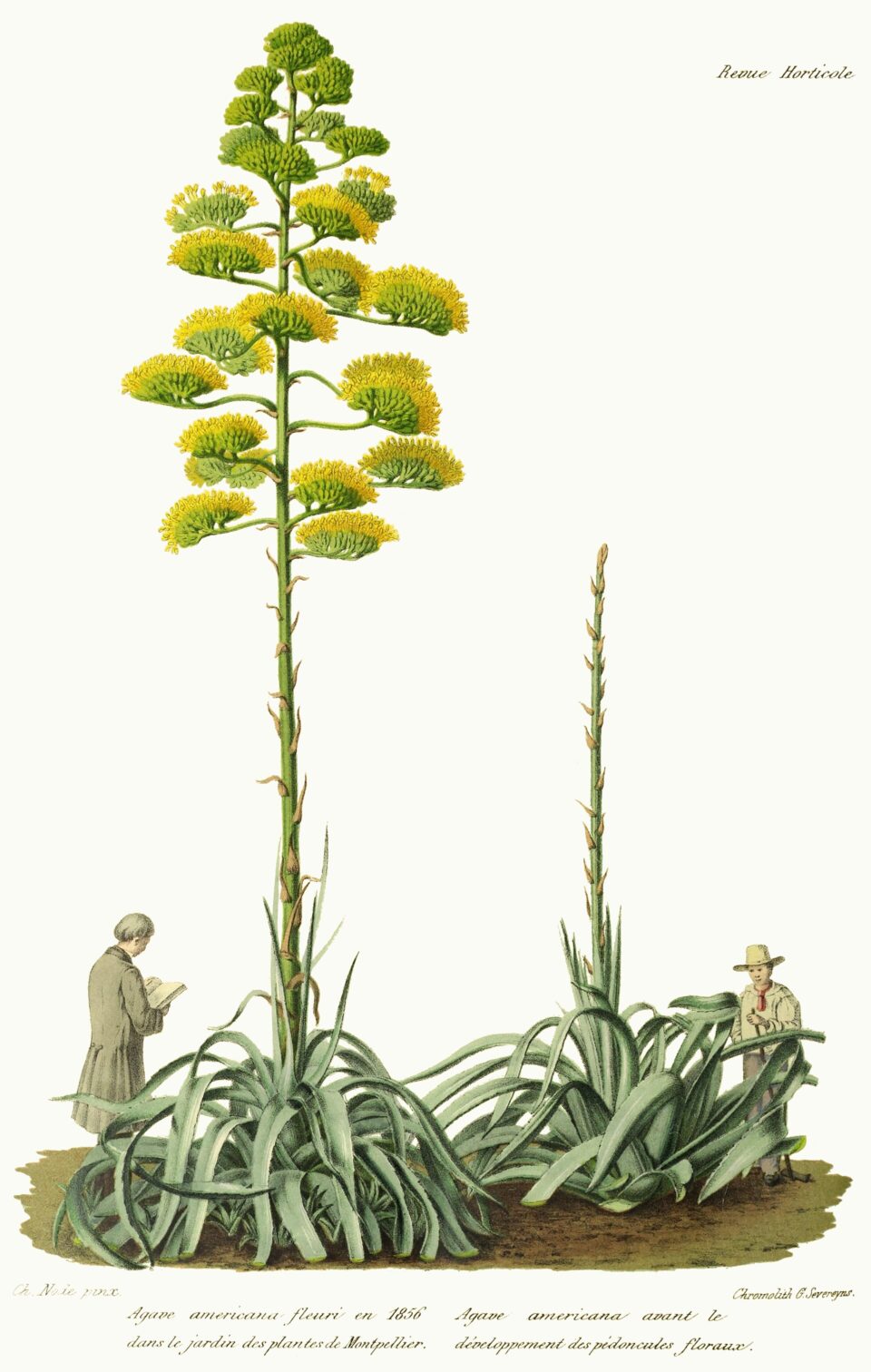
Throughout the Valley of the Temples, and in many other places in Sicily, we kept seeing these plants with very tall stalks. These are Agave—most likely Agave americana, also known as the century plant—introduced from Mexico in the 16th century and now fully naturalized across the Mediterranean’s dry landscape. The plant grows slowly for years, sometimes for decades, before sending up a single towering flower stalk; the bloom lasts only a few weeks, and then the main plant dies, leaving behind new offshoots at its base. What we saw was already incredibly tall, but once it blooms, the flowering stalk is even taller.
@ Wikimedia Commons
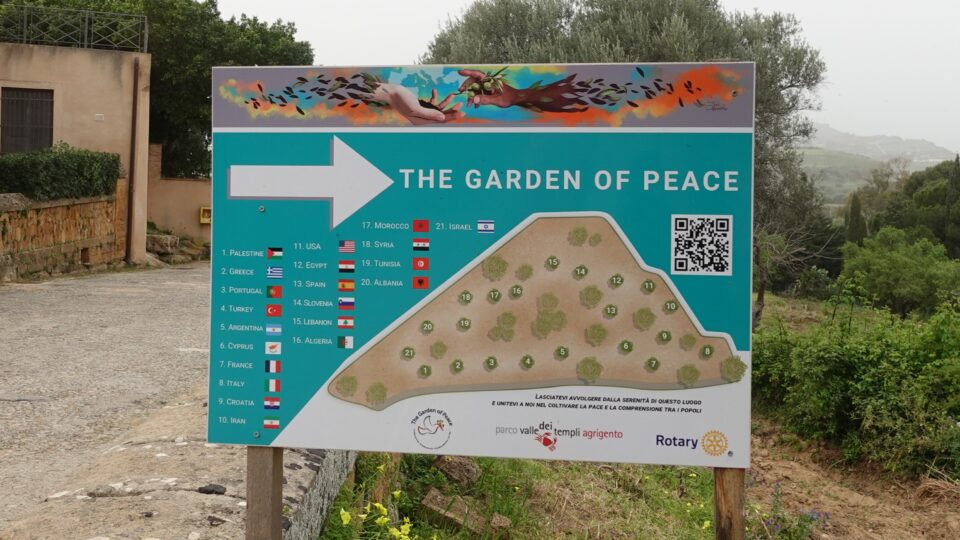
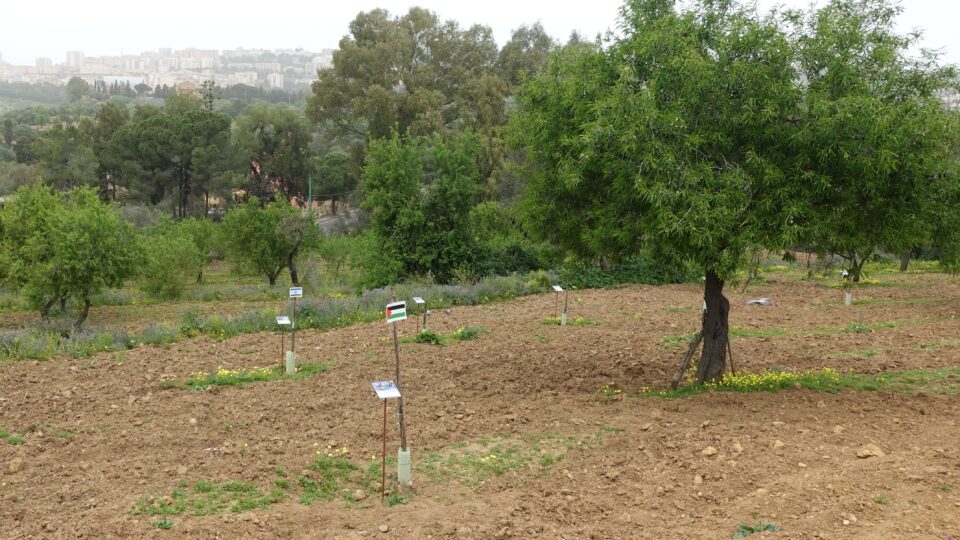
After our picnic lunch, we walked the path back to the east entrance. On the way, we came upon the Garden of Peace, which is, as the sign says, a place to be enveloped by serenity, and to cultivate peace and understanding among people. Israel and Palestine exist in the garden side by side.
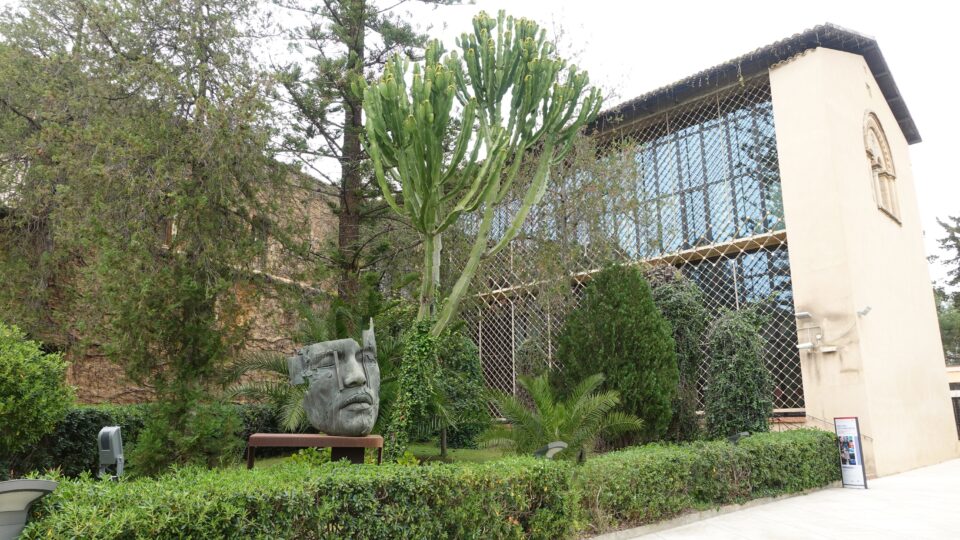
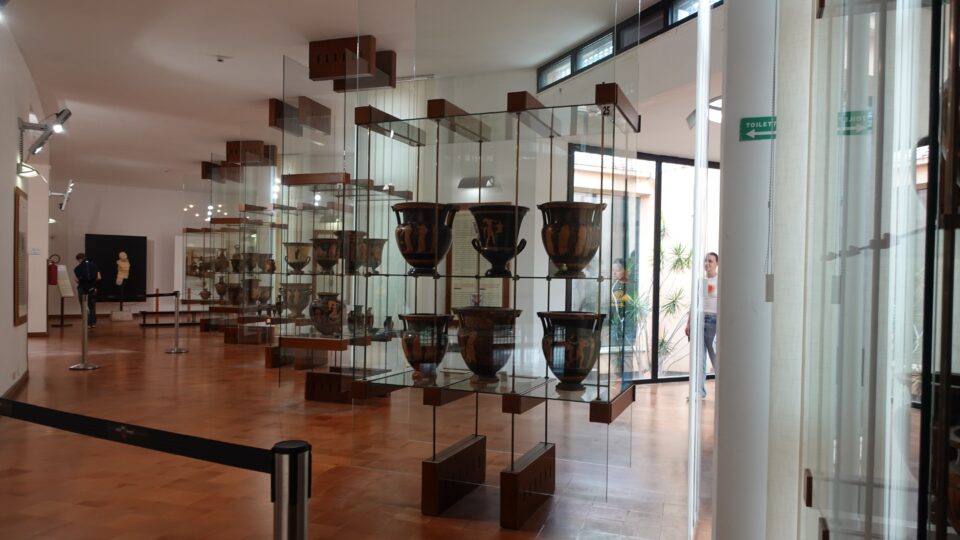
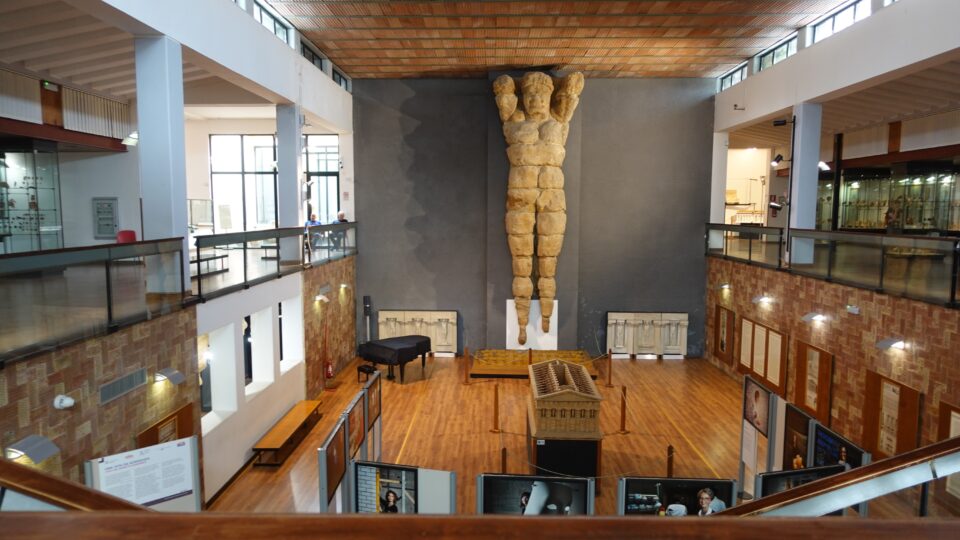
Once back at our car, we then drove to the nearby Regional Archaeological Museum Pietro Griffo. This is a large, modern museum with many displays and, thankfully, most of the signage translated into English.
The collections were impressive, with almost everything dating to the Greek period. The museum had nothing from the time when Jews lived in Agrigento, which began later in the Roman era. I had read that there was a Hebrew grave inscription in the this museum, but when we asked, we were told that the Greco-Roman material is in the museum within the Valley of the Temples complex – which left us confused, since we thought that was exactly where we were.
It was then time to head back to our apartment in the historic center of Agrigento. When we arrived on Friday, we had followed our host in her car—now we were on our own. Our experience navigating in Sicilian historic centers had not been great; Google Maps would send us down impossibly narrow lanes or the wrong way on one-way streets, or, as once happened, down a staircase. Luckily, our host here had solved the problem. She created a custom route in Google Maps with several intermediate stops, guiding us along the larger (relatively) roads. It worked perfectly, and we made it back without difficulty—a very different experience from driving in Palermo.
In the evening we watched The Leopard, which tells the story of a Sicilian aristocratic family during the Italian unification of the 1860s. It captures the fading world of the nobility as a new social order begins to emerge. Although the plot and characters are fictional, the setting, social changes, and atmosphere are historically accurate. What made it especially enjoyable for us was recognizing places in Palermo that we had visited, bringing the story further to life. The Leopard exists in several formats: the original 1958 novel by Giuseppe Tomasi di Lampedusa, Visconti’s classic 1963 film (the one we watched), and a recent Netflix miniseries based on the novel. All highly recommended.
Those temples are sooo big