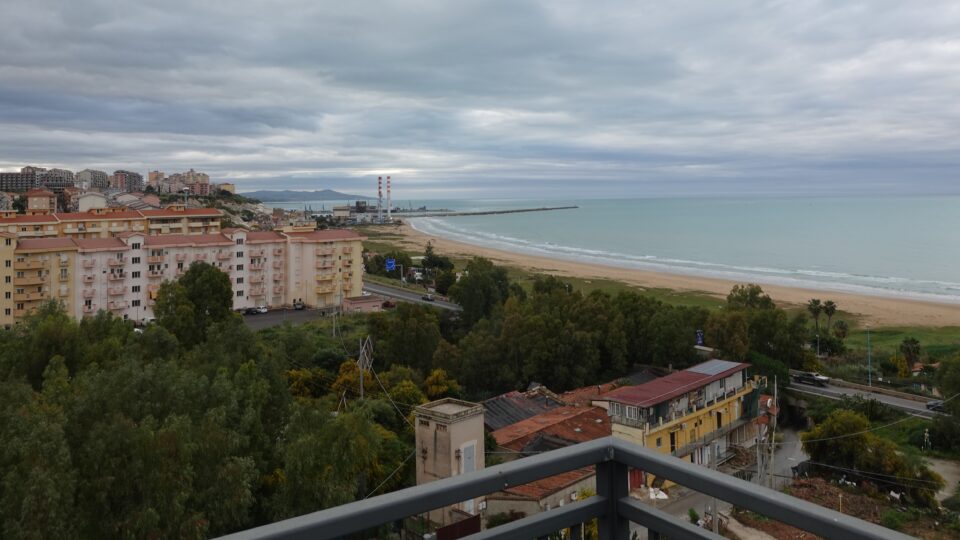
MARCH 26, 2025: Woke up to a cloudy sky, but no rain. From the apartment, we finally had a nice view of the beach (if you ignored the industrial chimney in the distance…)
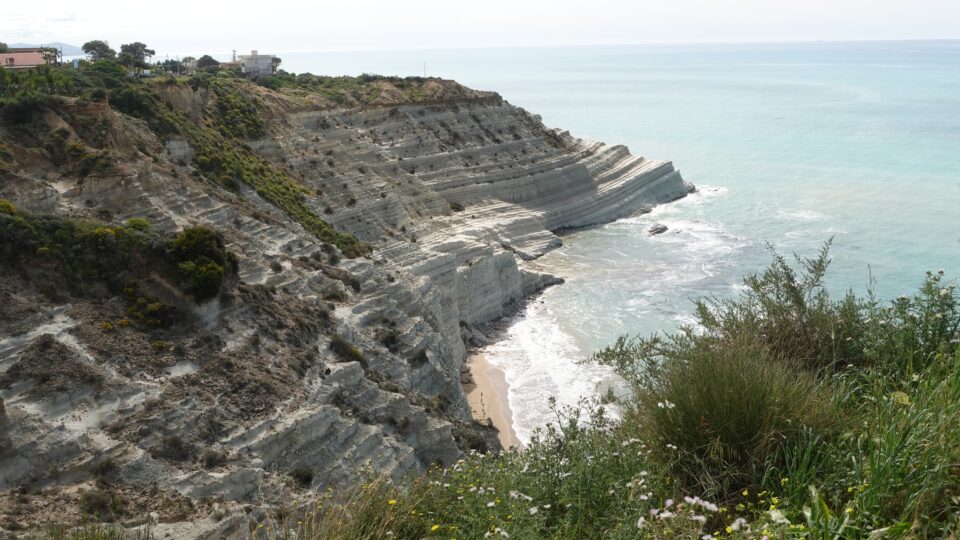
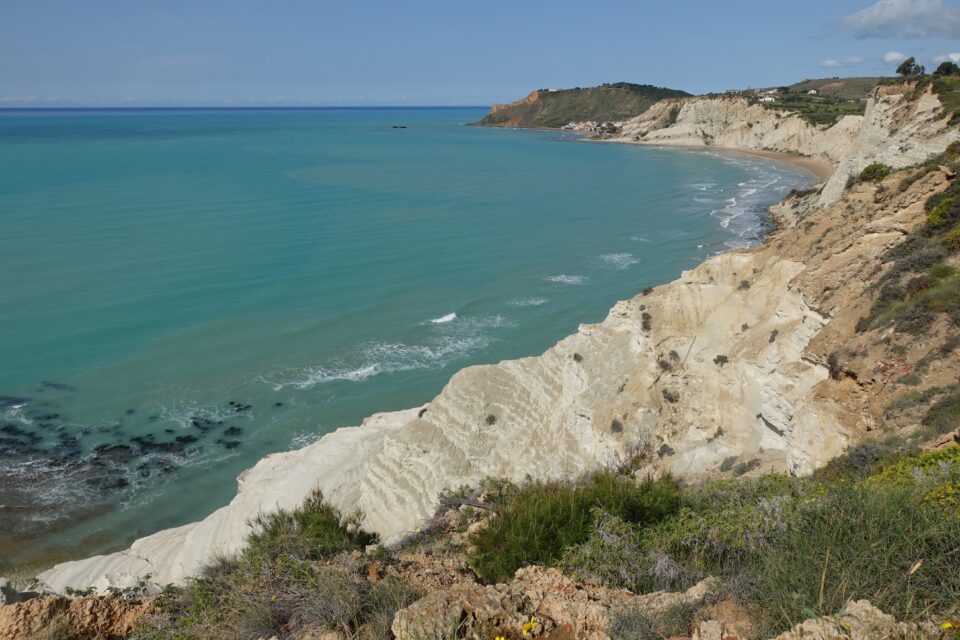
The apartment was just a short drive from the Scala dei Turchi (Stairs of the Turks), dazzling white limestone cliffs shaped by wind and sea into smooth terraces that look like giant steps descending into the Mediterranean. With a full day ahead of us, we skipped the walk down to the beach and settled for a quick overlook from above.
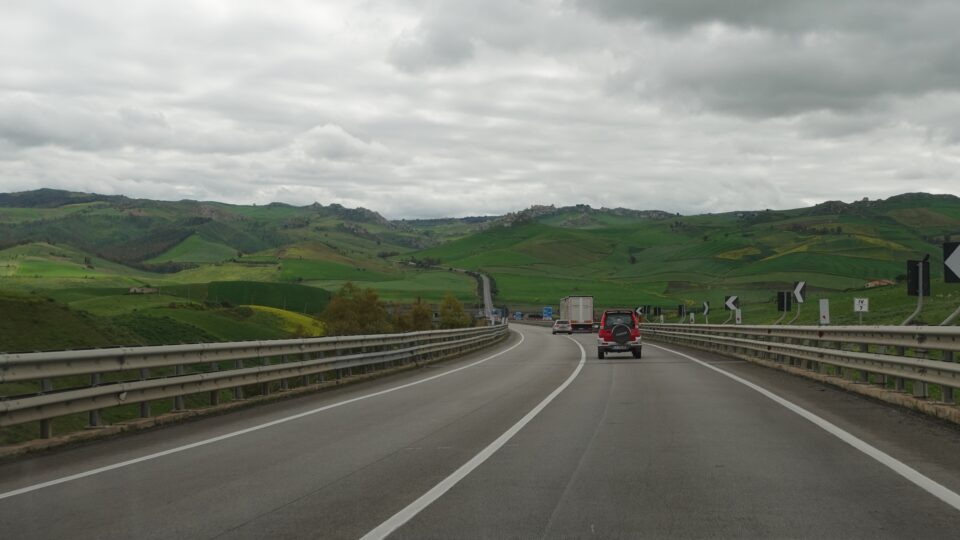
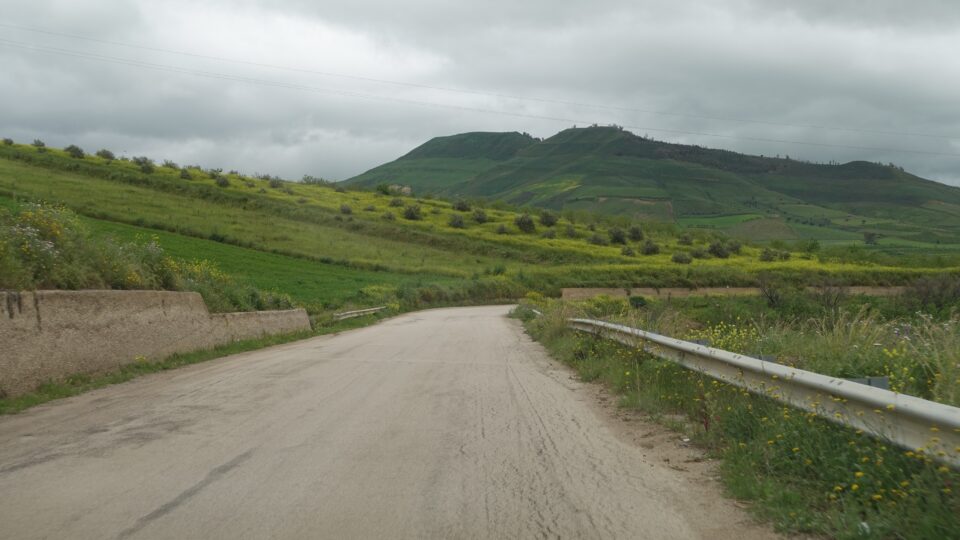
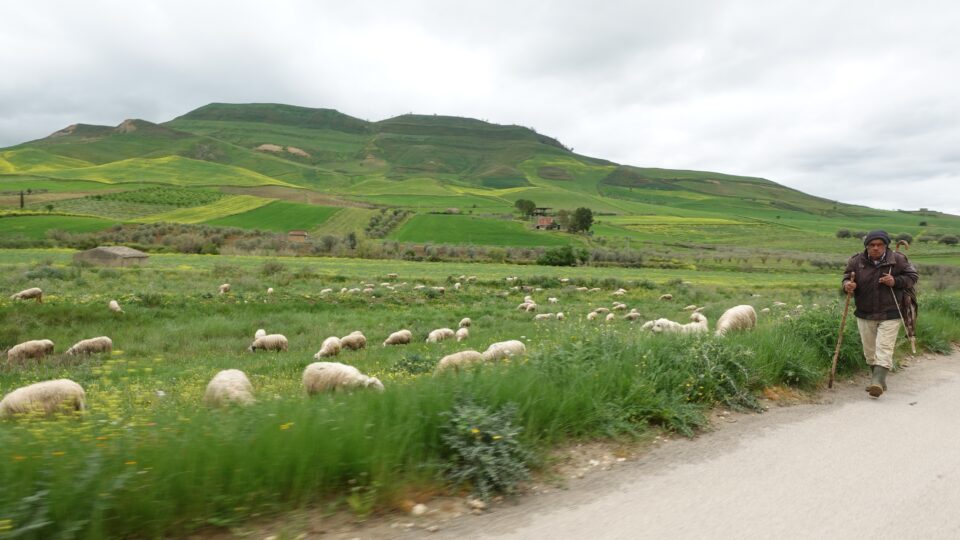
From there we had an almost two-hour drive inland to Villa Romana del Casale, a lavish 4th-century Roman villa renowned for its exceptionally preserved mosaics. The first part of the drive was easy—divided highway, two lanes, pleasant scenery. Eventually we turned onto smaller back roads full of twists, turns and narrow blind spots. We finally arrived at a huge parking lot and found it surprisingly filled with many buses—they must have arrived there on a different, easier route.
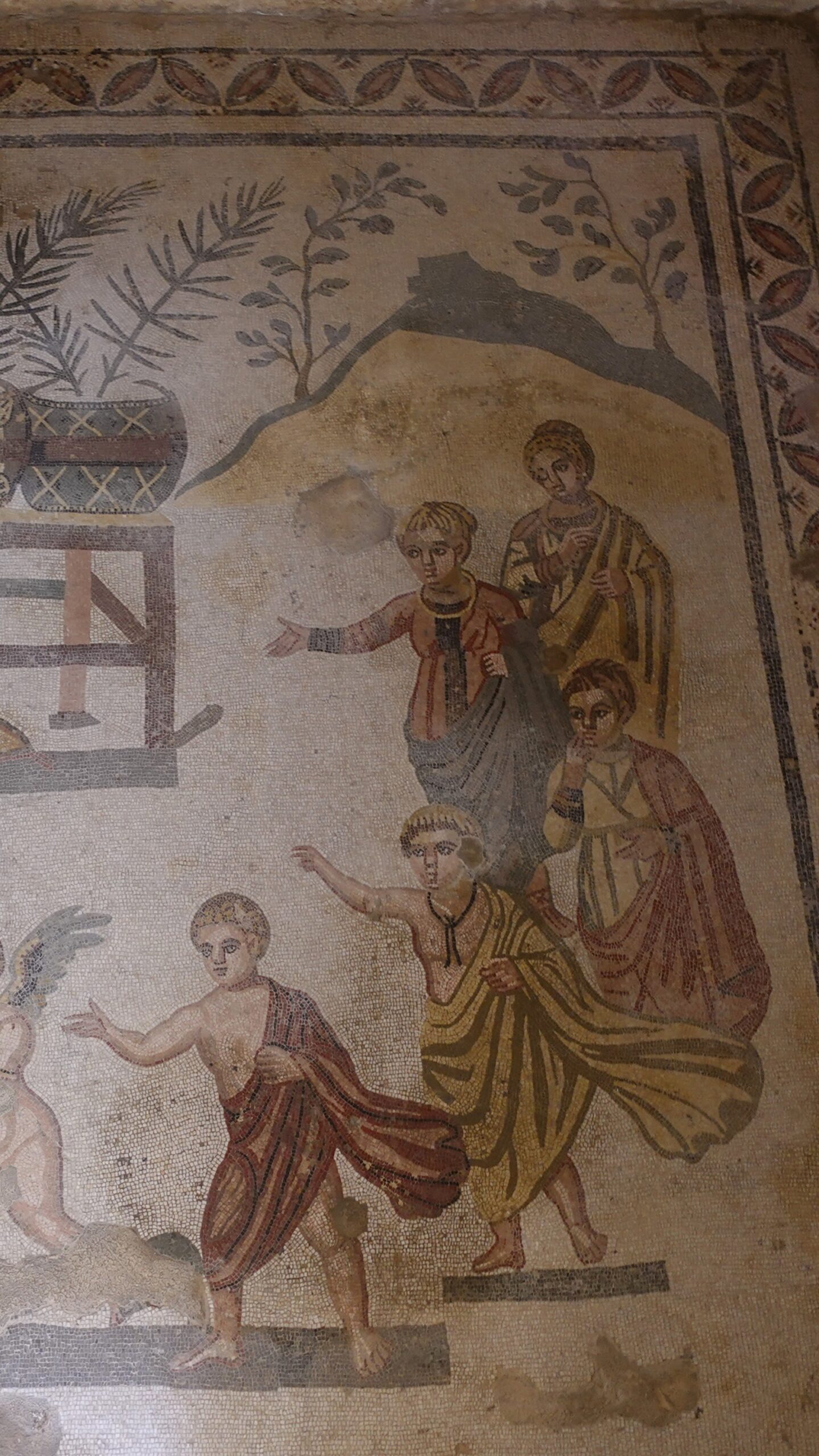
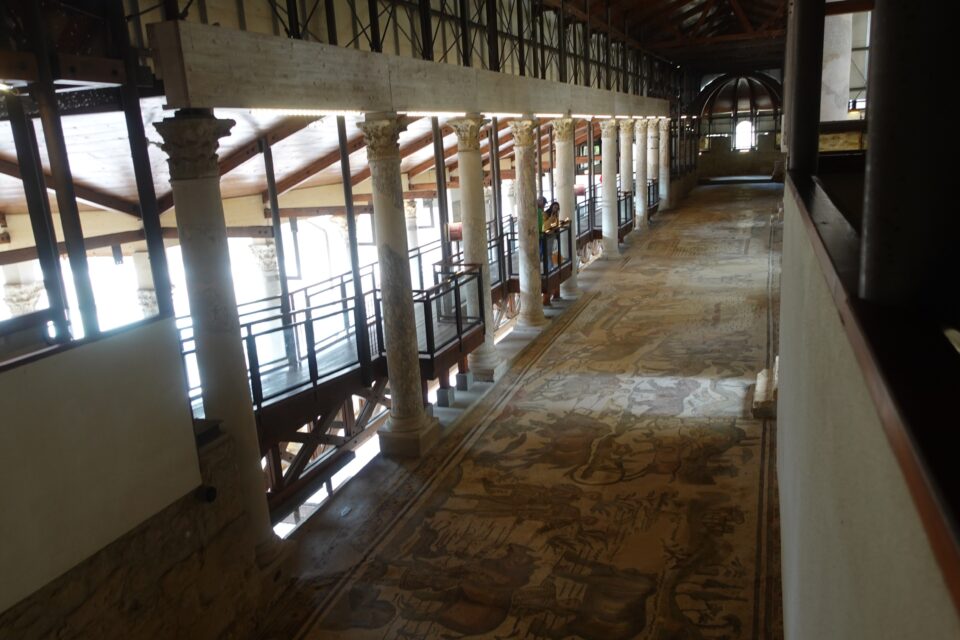
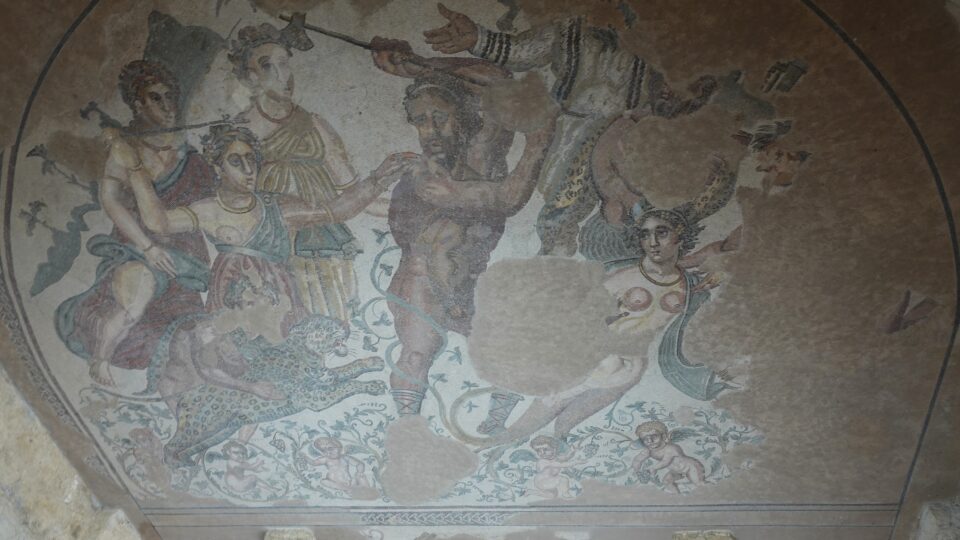
Villa Romana del Casale is one of the main tourist attractions in Sicily—and it’s easy to see why. It was WOW—like Tzippori, but times fifty. A vast complex filled with dozens of mosaics on a scale I have never seen before, both in their sheer number and in the beauty of their artwork.
The luxurious villa likely belonged to a very high-ranking official of the Roman Empire. It includes over 50 rooms and over 3,500 square meters of mosaics—among the best preserved anywhere. Their remarkable condition is thanks to centuries buried under mud and silt after flooding, which protected them until their rediscovery. Today, the site is a UNESCO World Heritage Site.
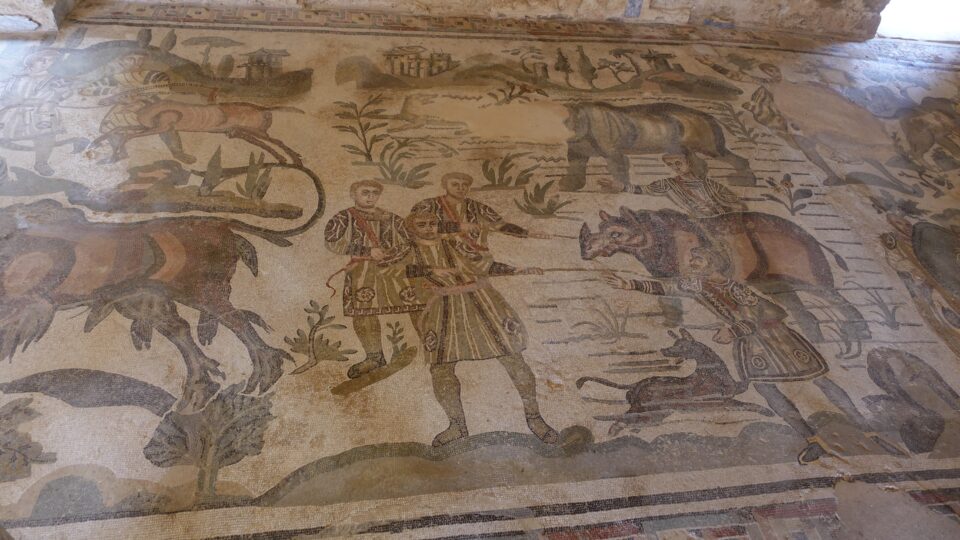
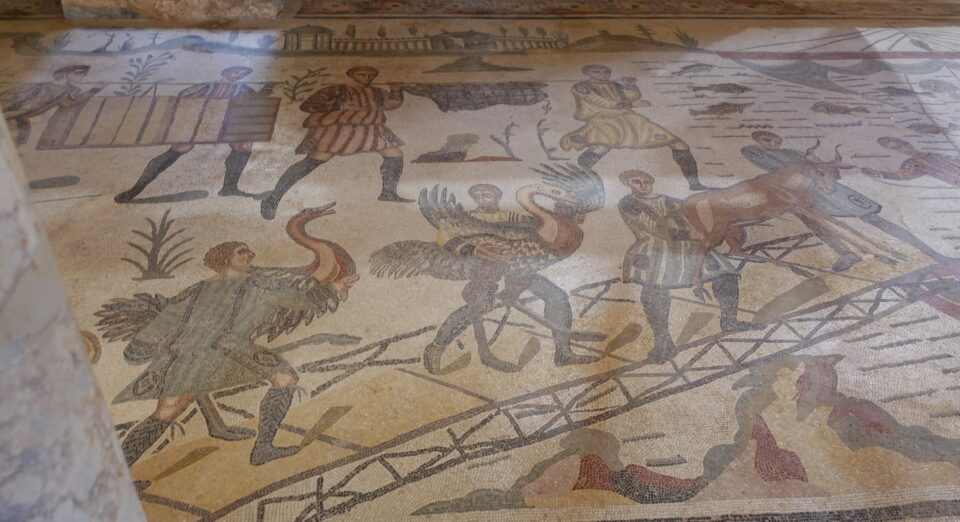
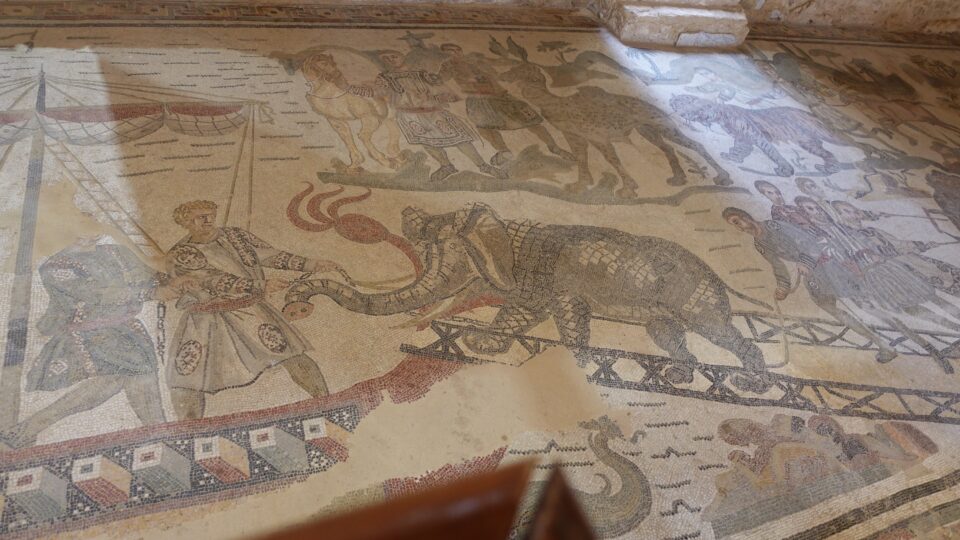
To view the mosaics, you walk along elevated walkways. It was very crowded, which made photography challenging. For me, the most impressive was the Great Hunt—a stunning 60-meter-long mosaic passageway between the public and private areas of the villa, depicting the capture and transport of exotic animals.
I’ll let the photos speak for themselves—though they hardly do the place justice.
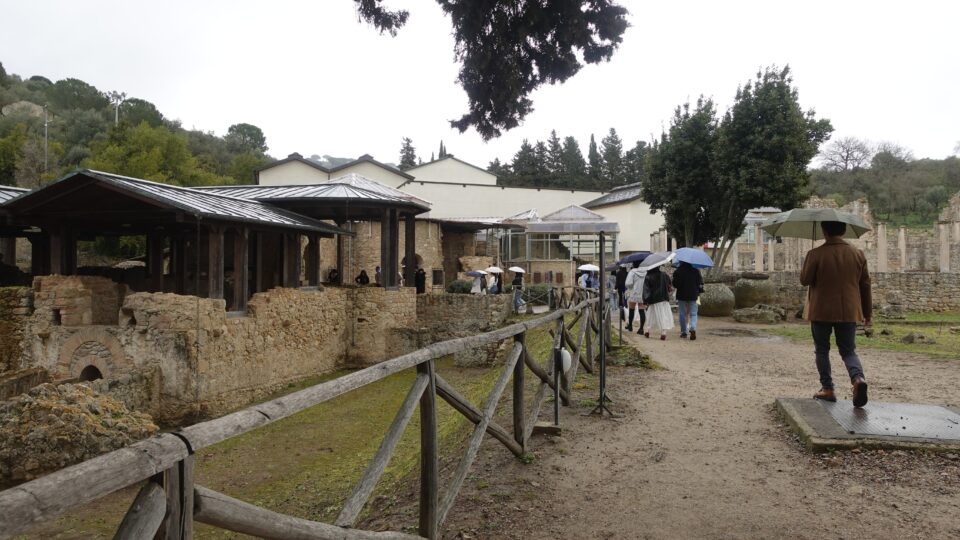
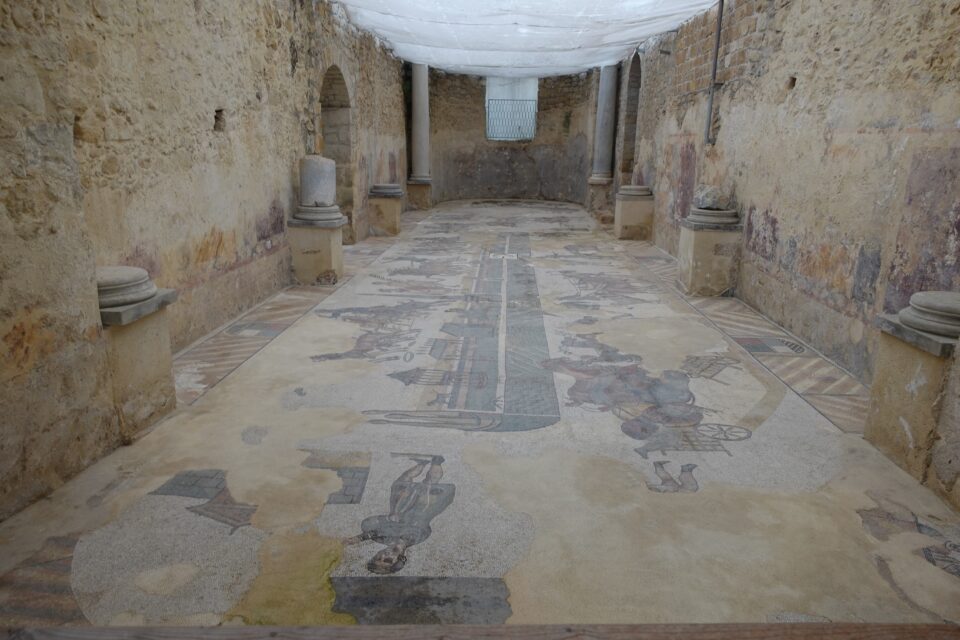
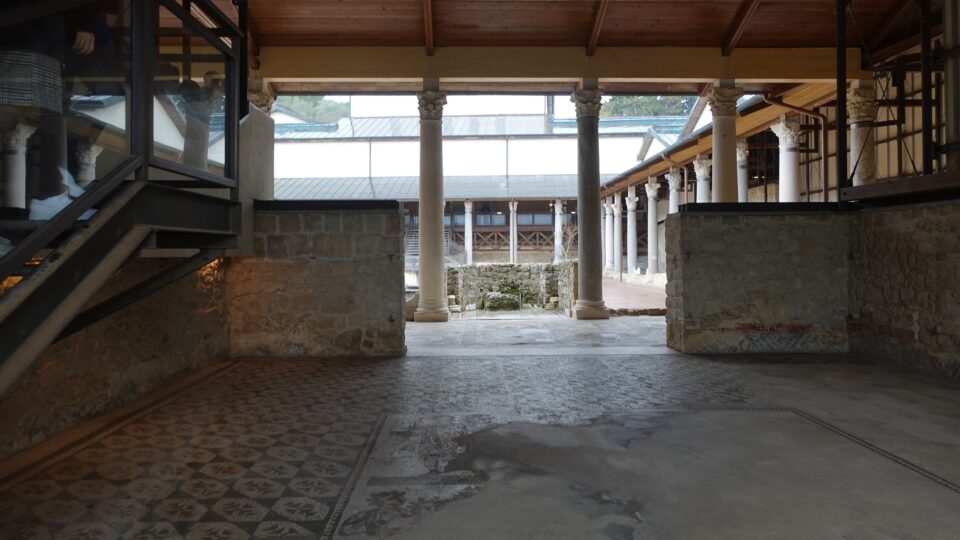
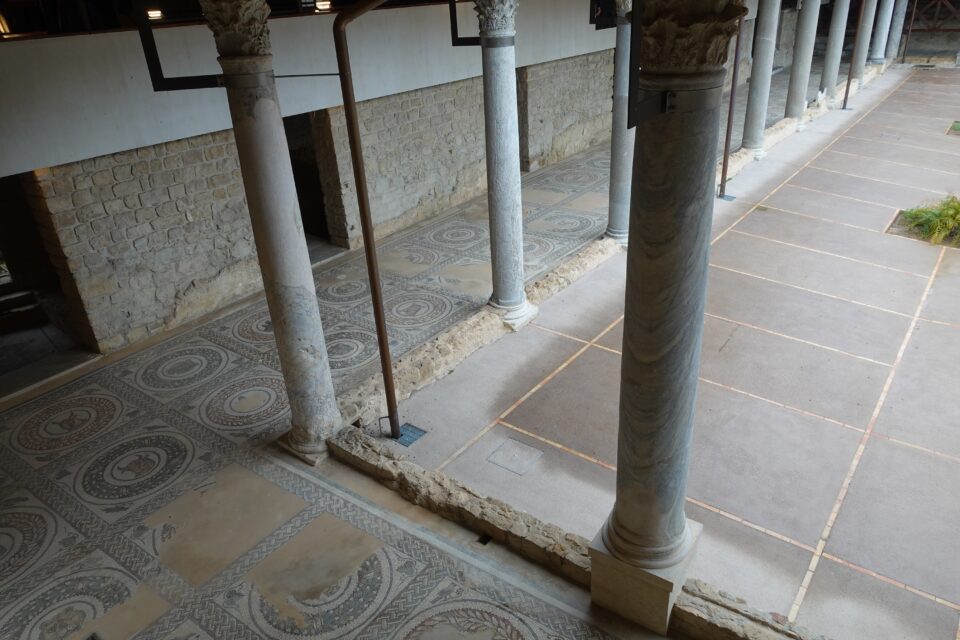
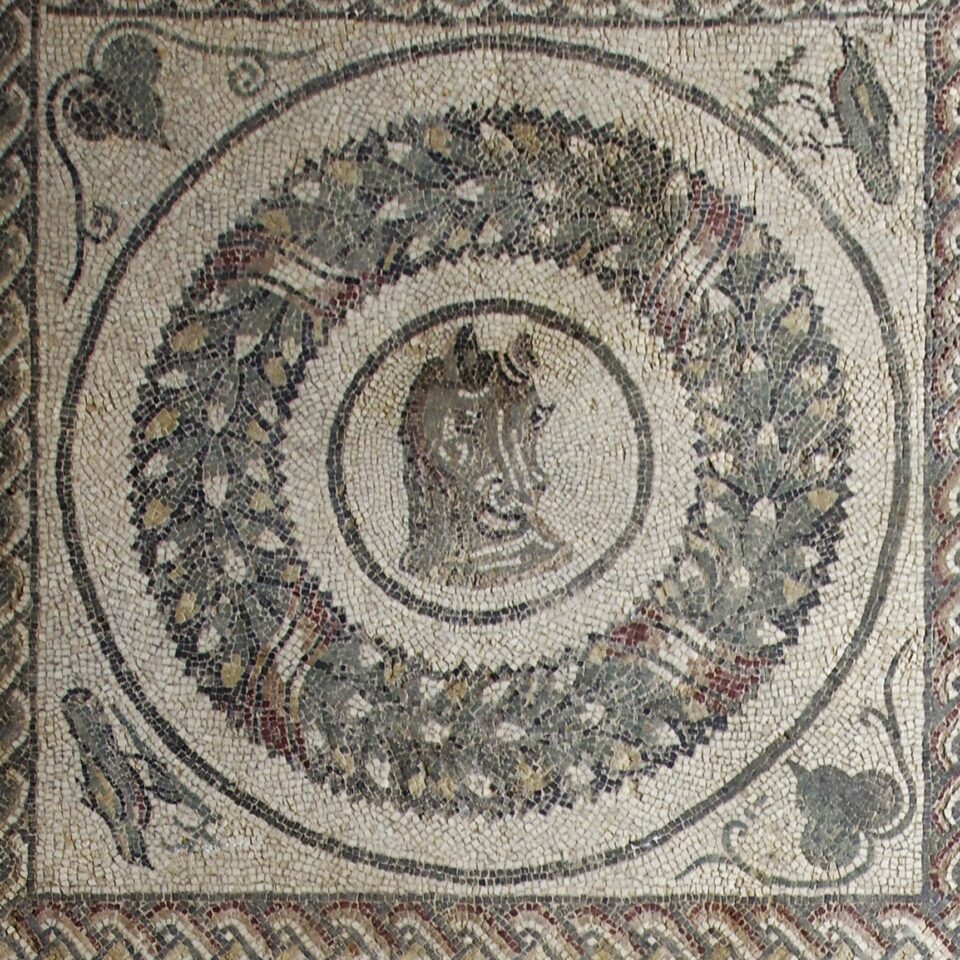
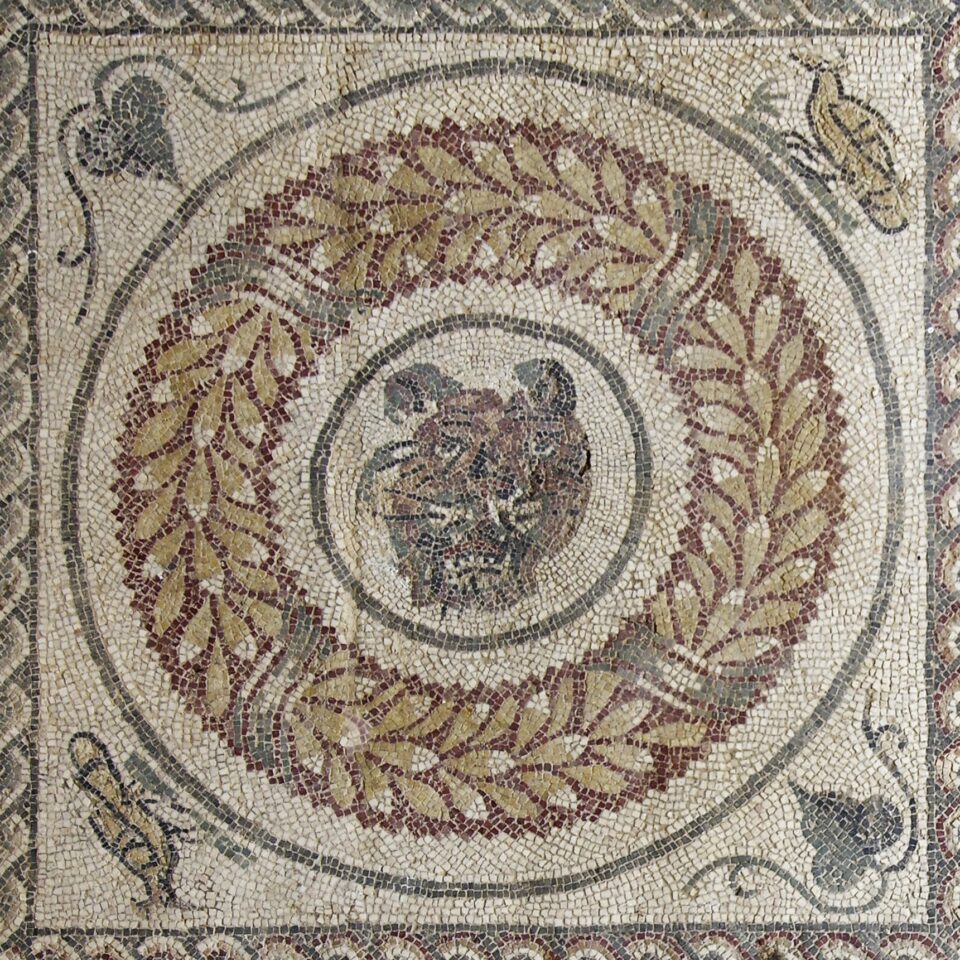
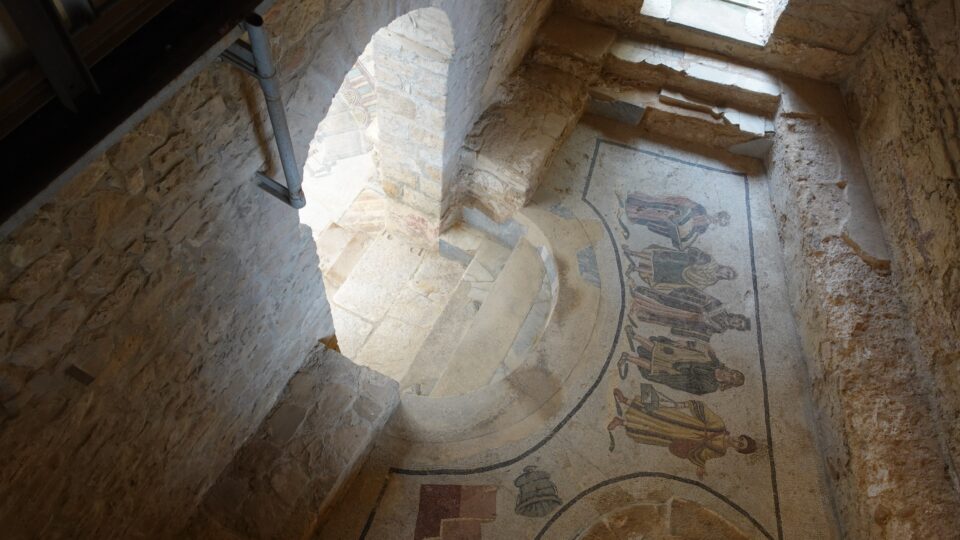
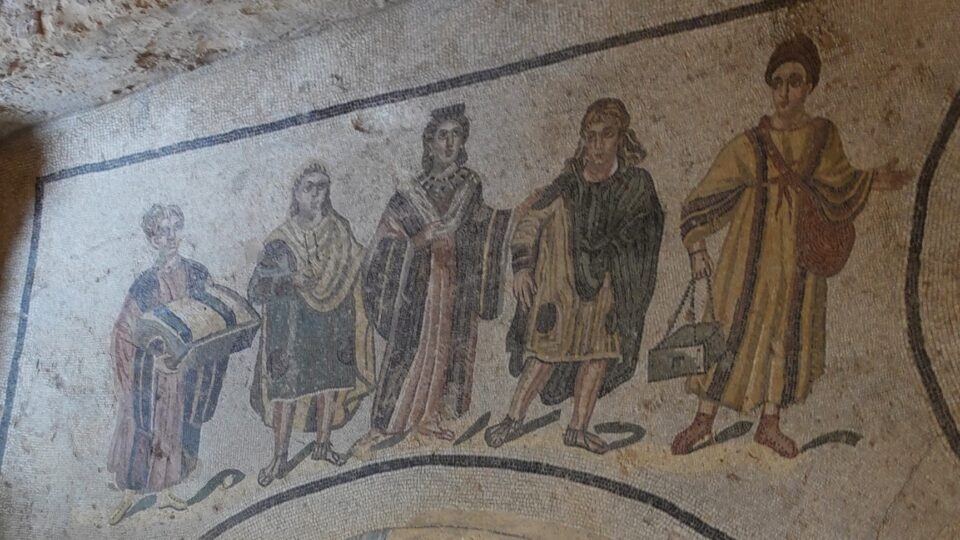
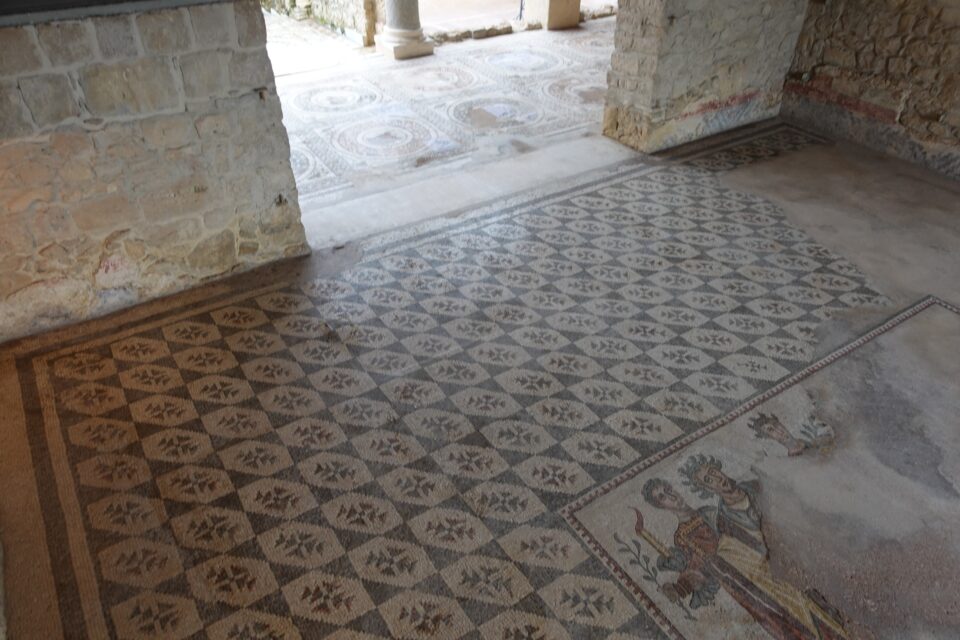
As you walk through the many rooms, each reveals its own mosaic—some with geometric patterns, but most depicting intricate scenes.
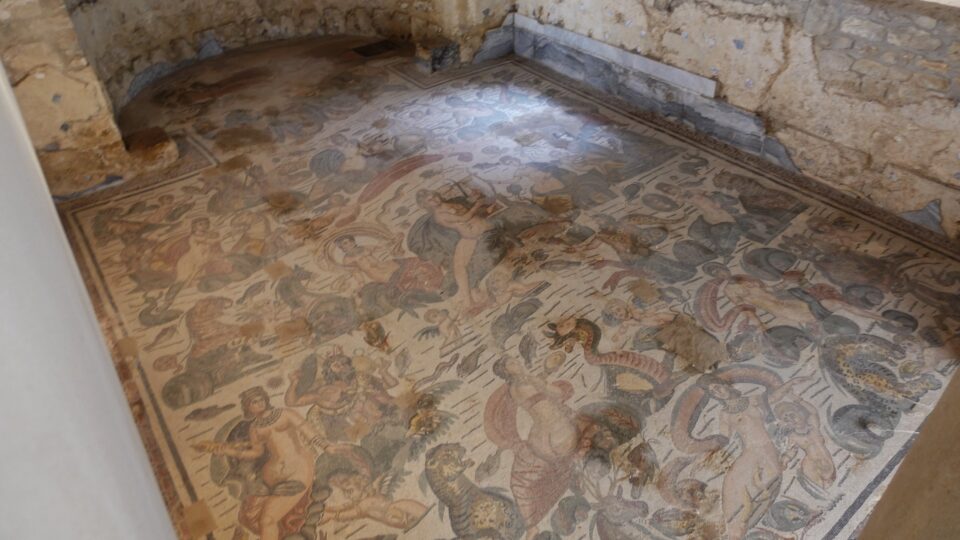
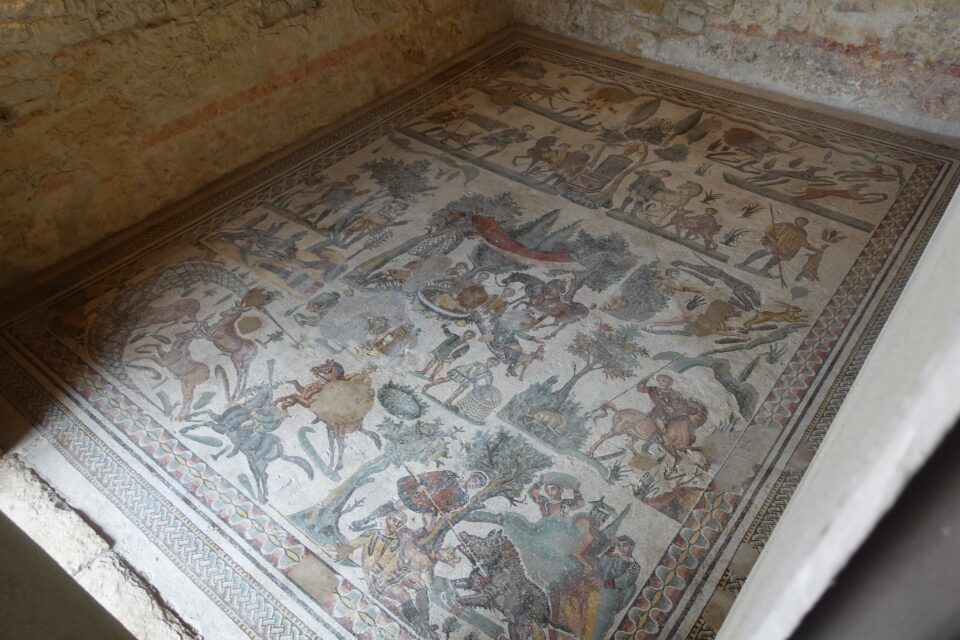
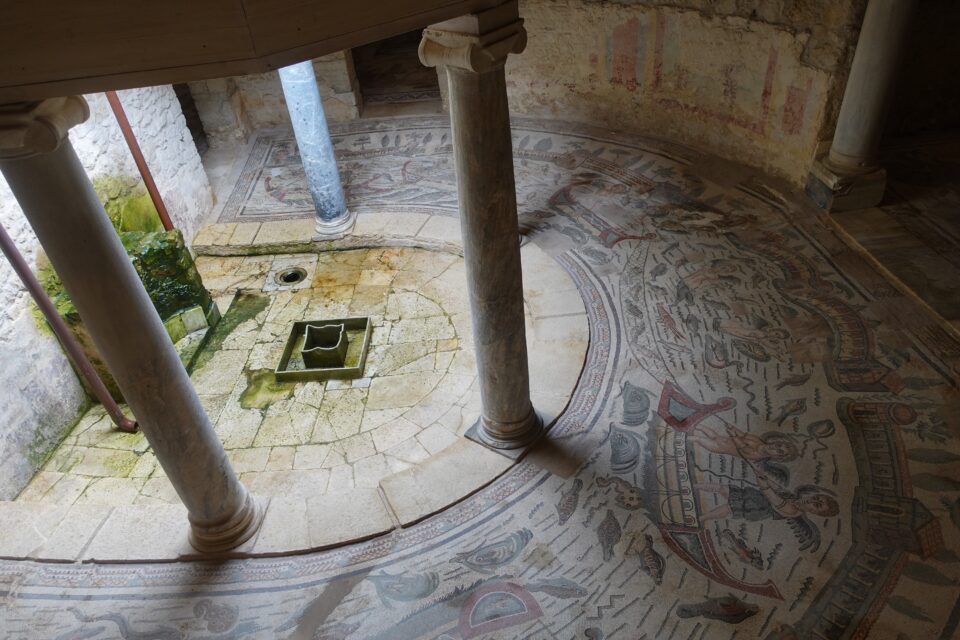
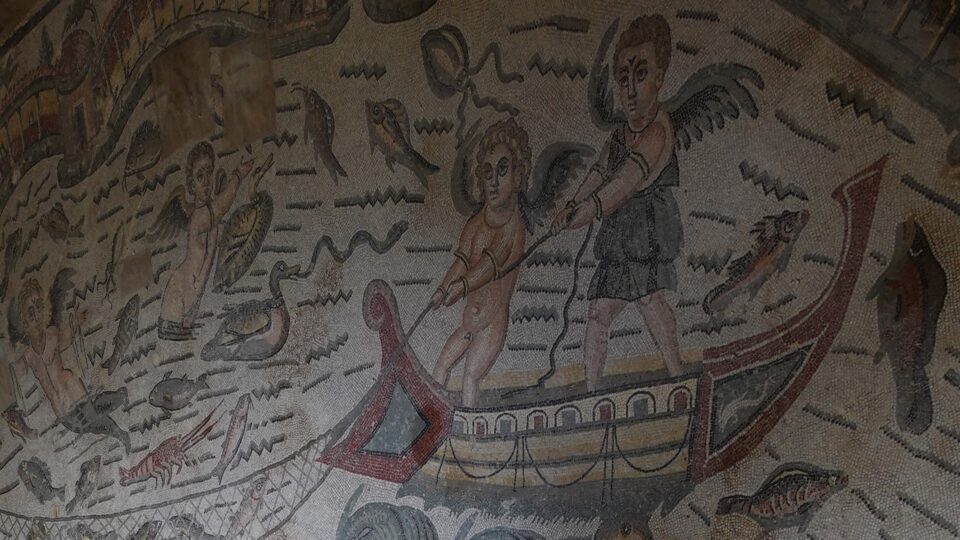
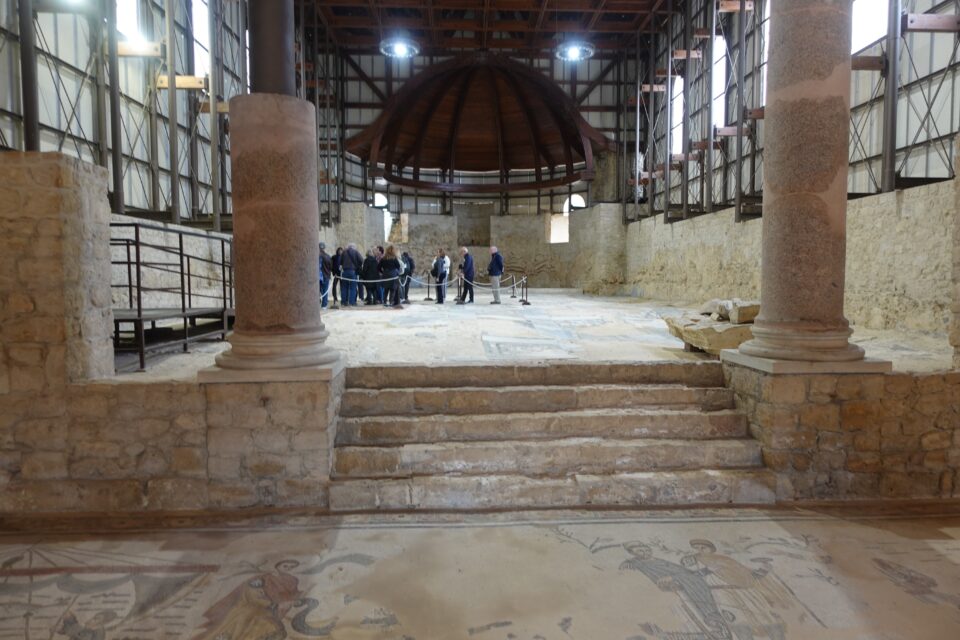
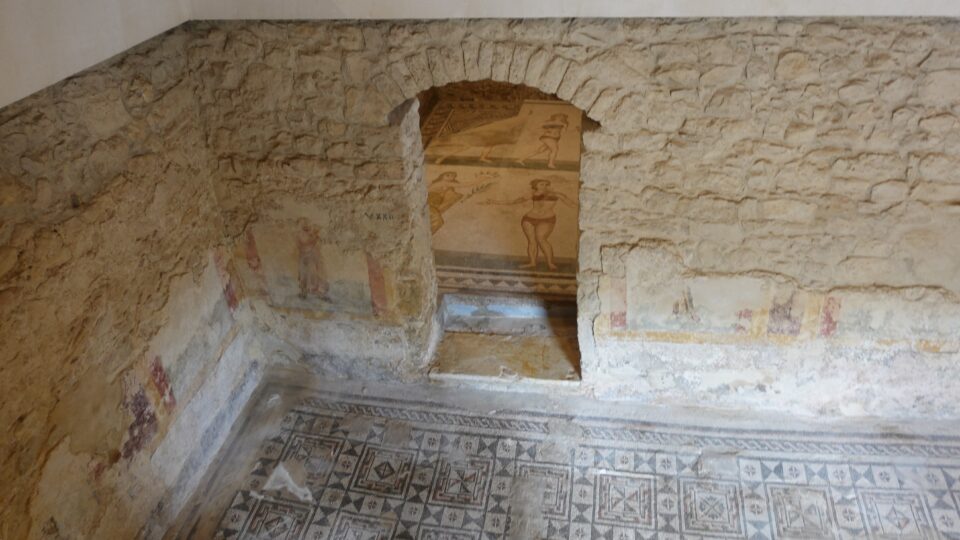
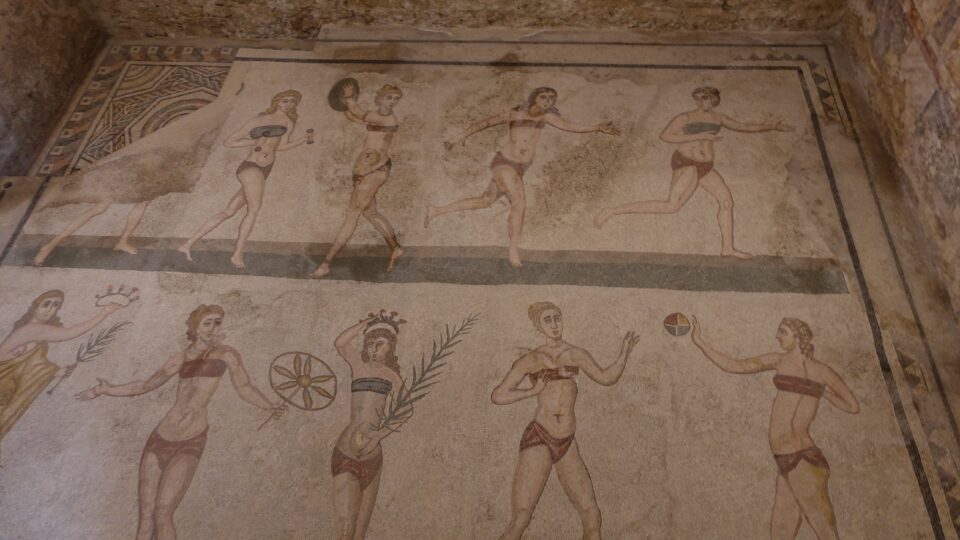
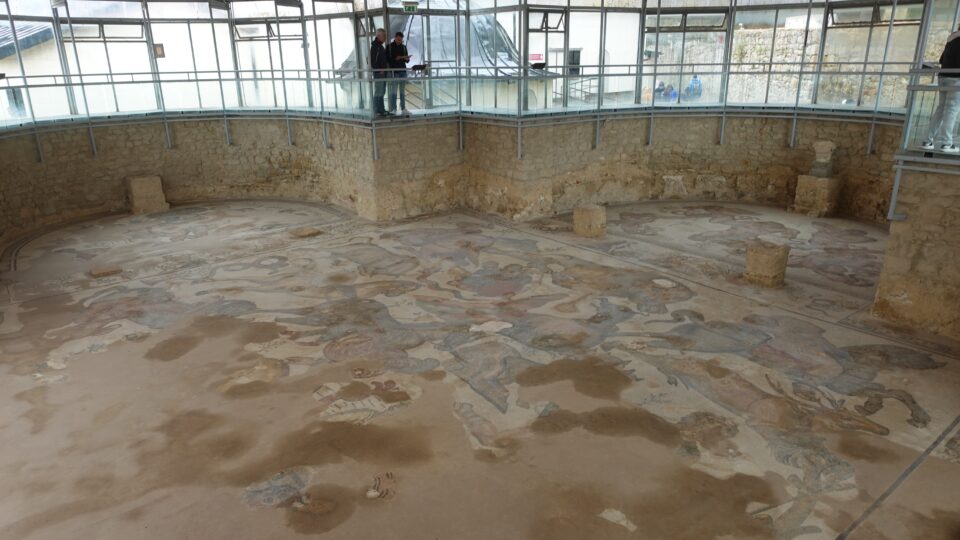
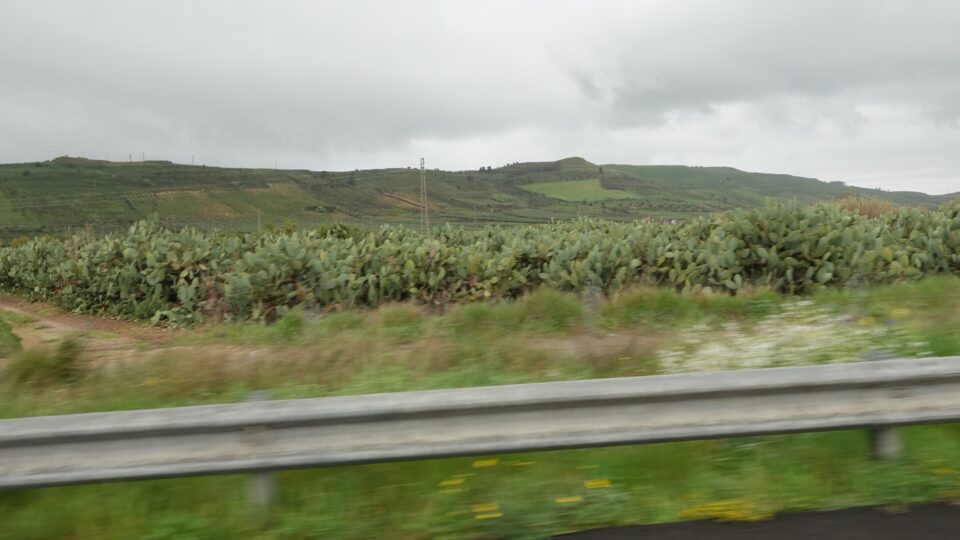
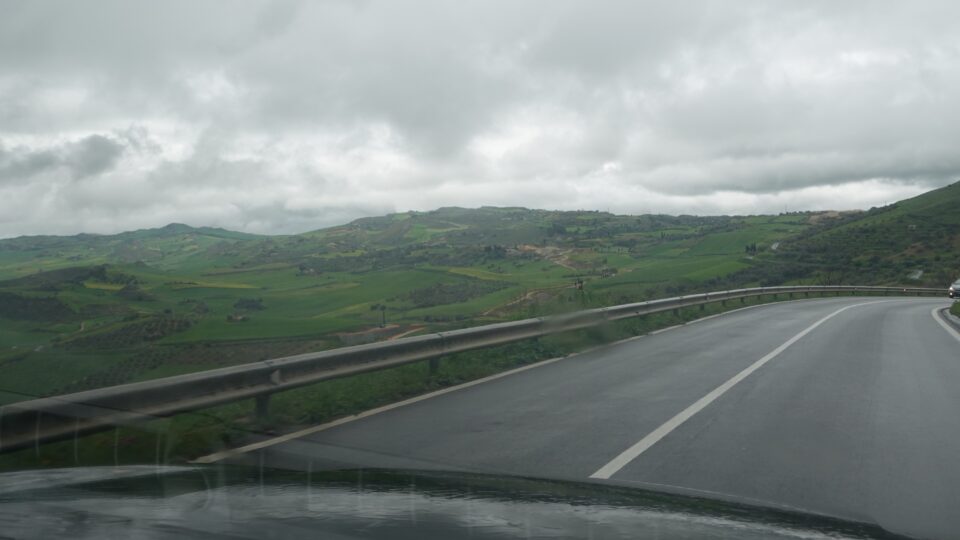
From the Roman villa, we drove to Caltagirone, another hilltop town in southeast Sicily, long renowned as a center of ceramic production. Along the way, the weather shifted constantly between a light drizzle and a heavy downpour.
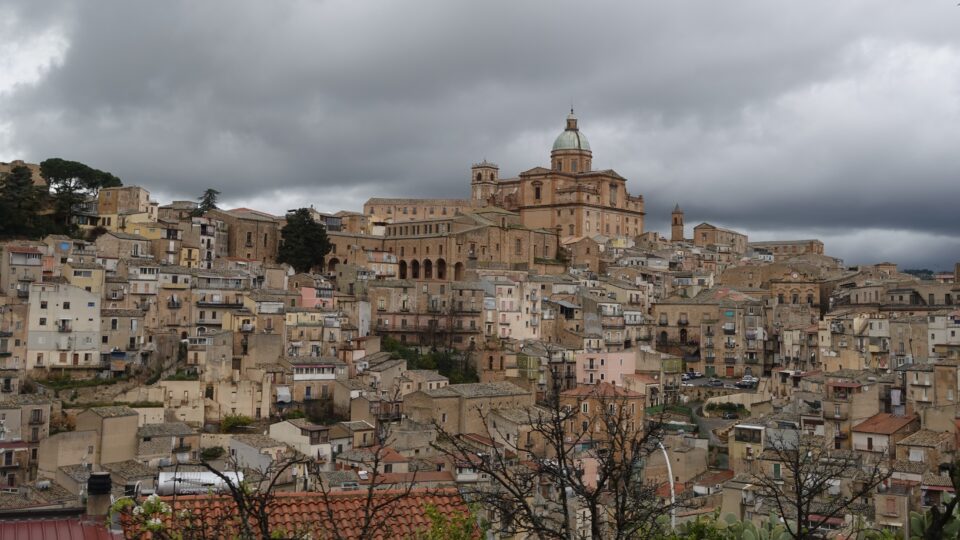
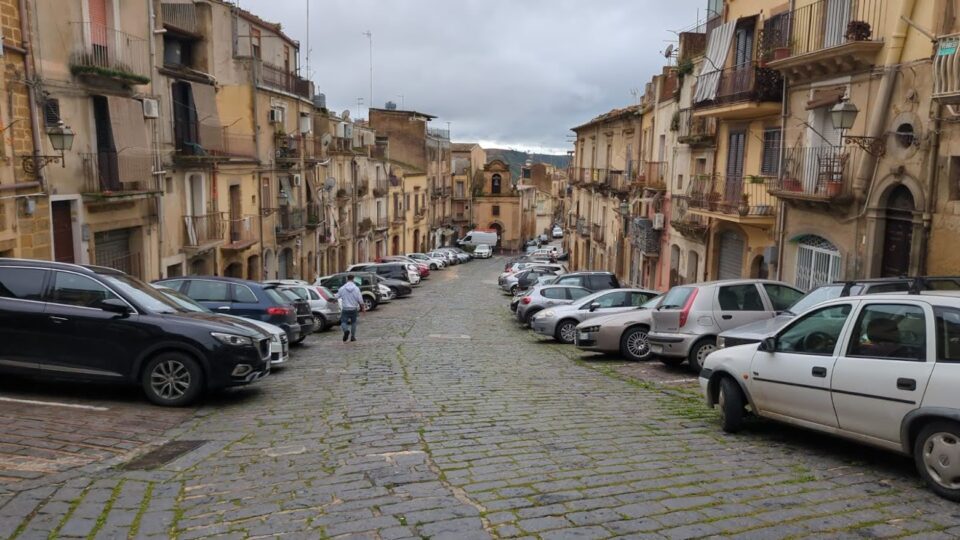
In the fourteenth century, Caltagirone was home to a small Jewish community, centered in an area now known as Via Iudeca. Today, Via Iudeca is a wide street used mainly for parking, with the narrow lanes of the former Jewish quarter branching off from it.
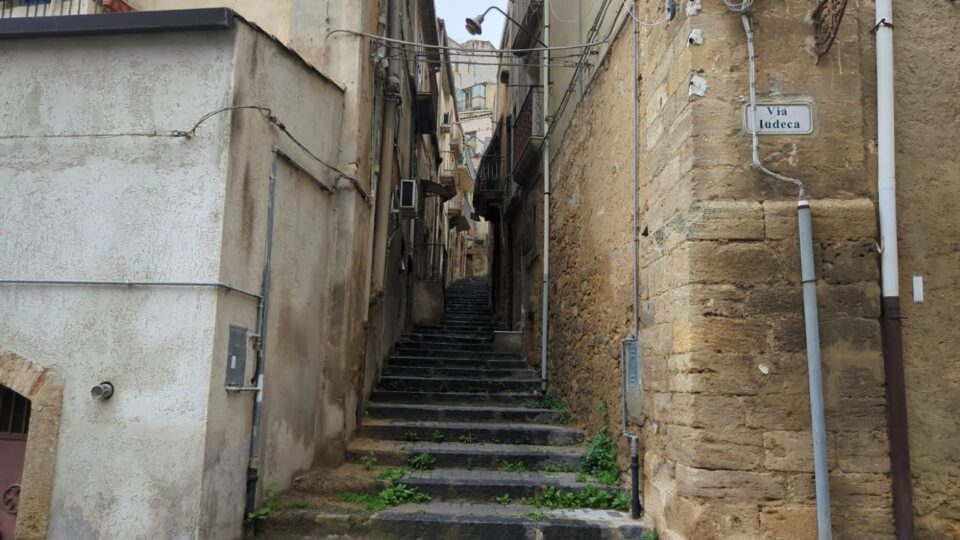
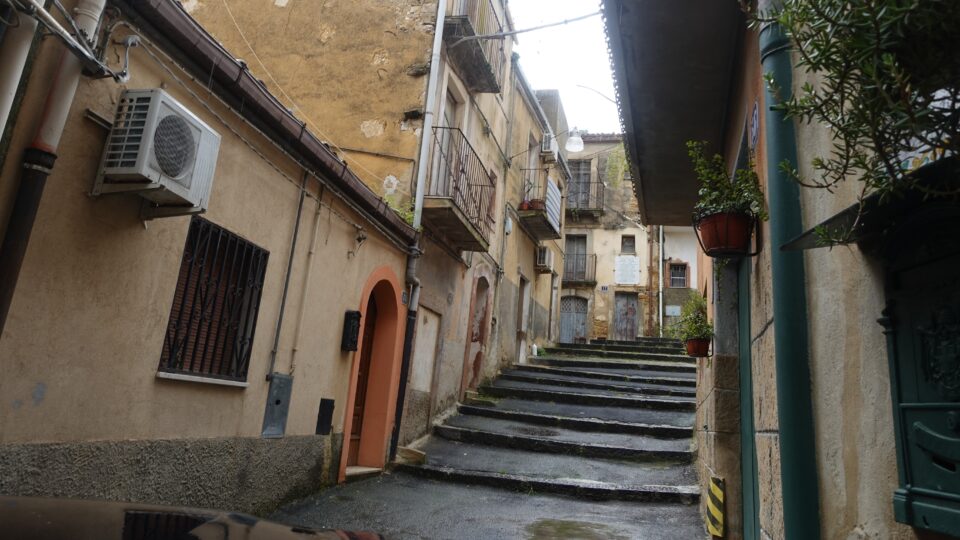
Leaving town proved challenging. Google Maps reached a new low, sending us down an extremely narrow (need to fold-in-the-side-mirrors narrow) lane that ended abruptly at a long flight of steps. With no way forward, Mark had to slowly reverse the entire stretch while I guided him—nerve-wracking, but we eventually made it back to the main road and followed other cars out of town.
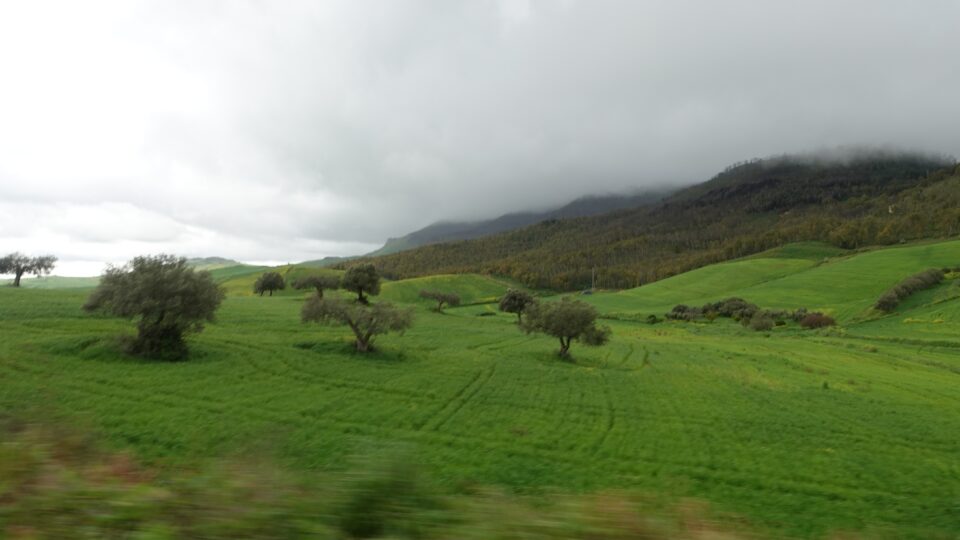
Our next destination was the much smaller town of Mineo, beautifully perched on a hill and wrapped in low clouds. The drive up was challenging—rainwater streamed down from the surrounding fields, forming small waterfalls that flooded the road.
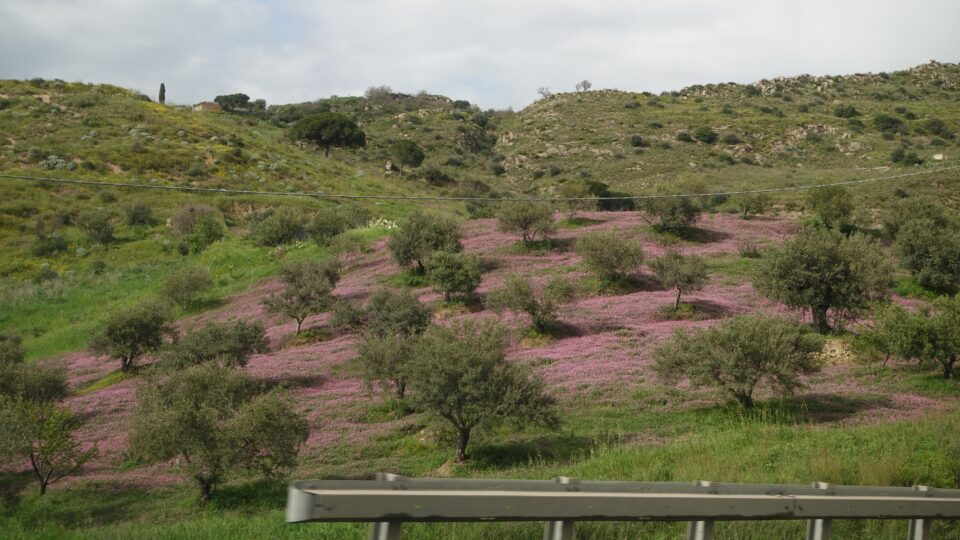
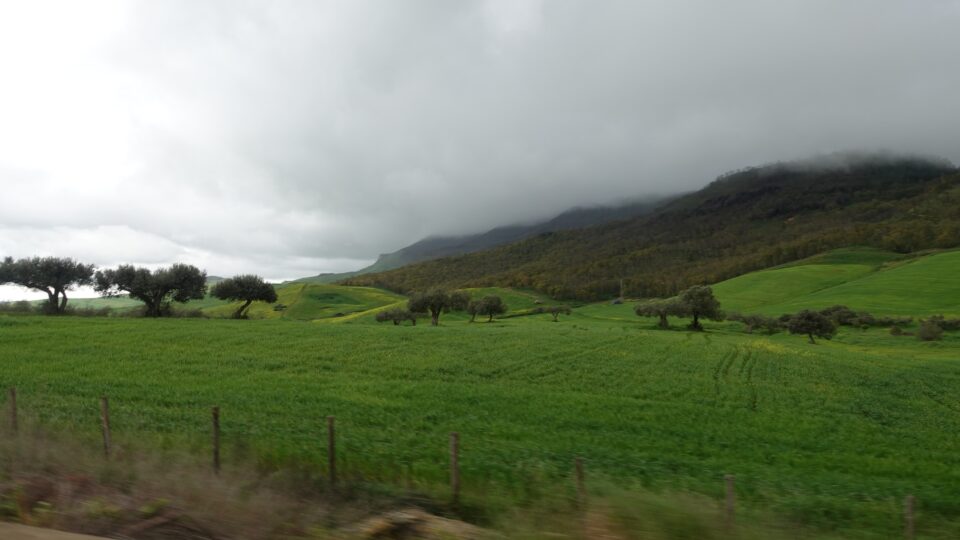
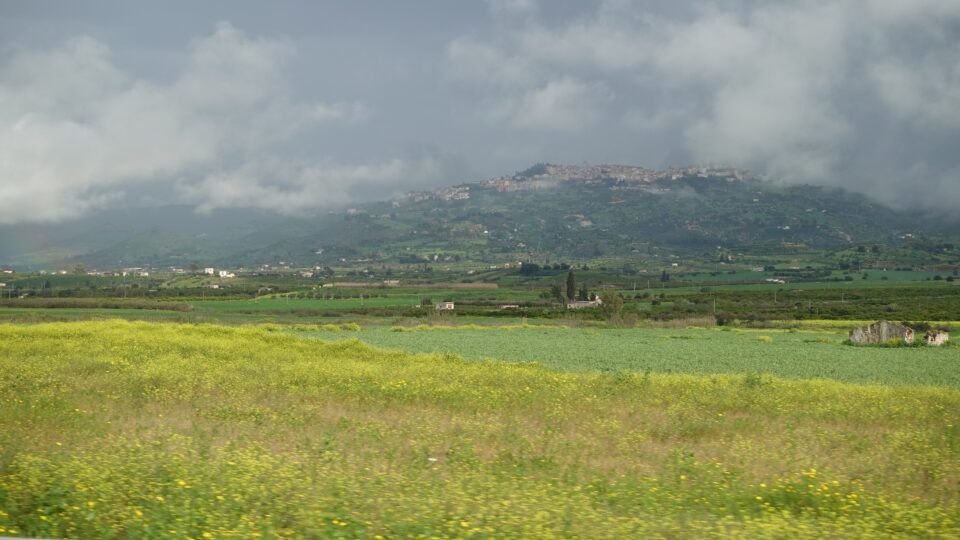
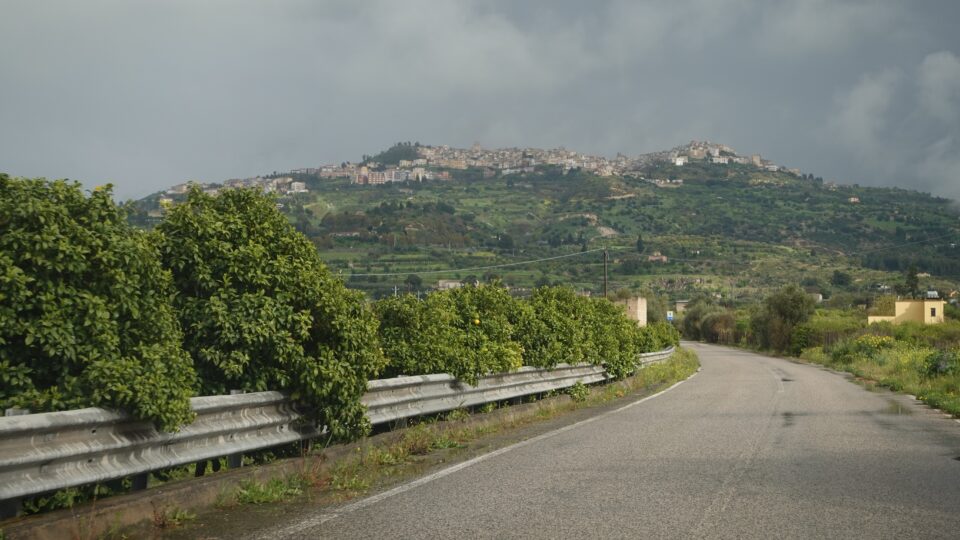
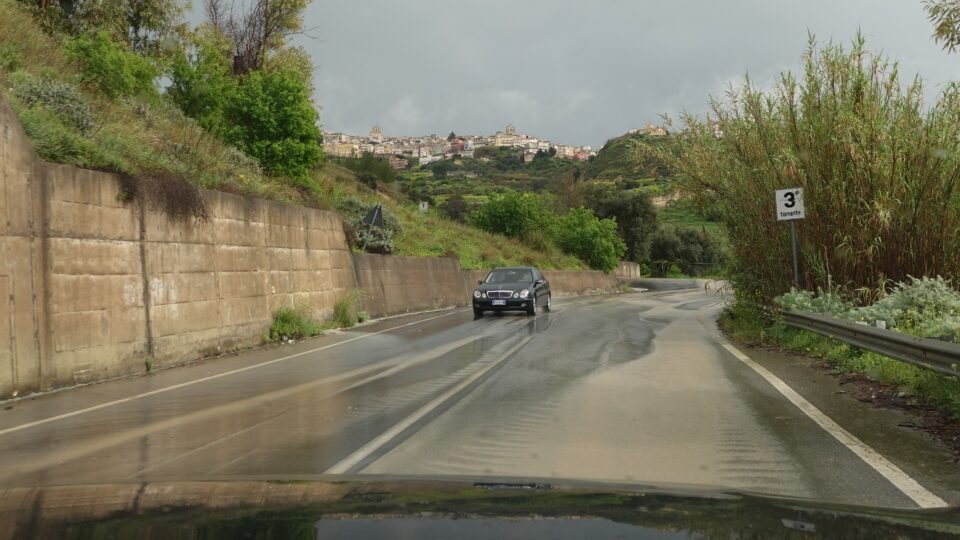
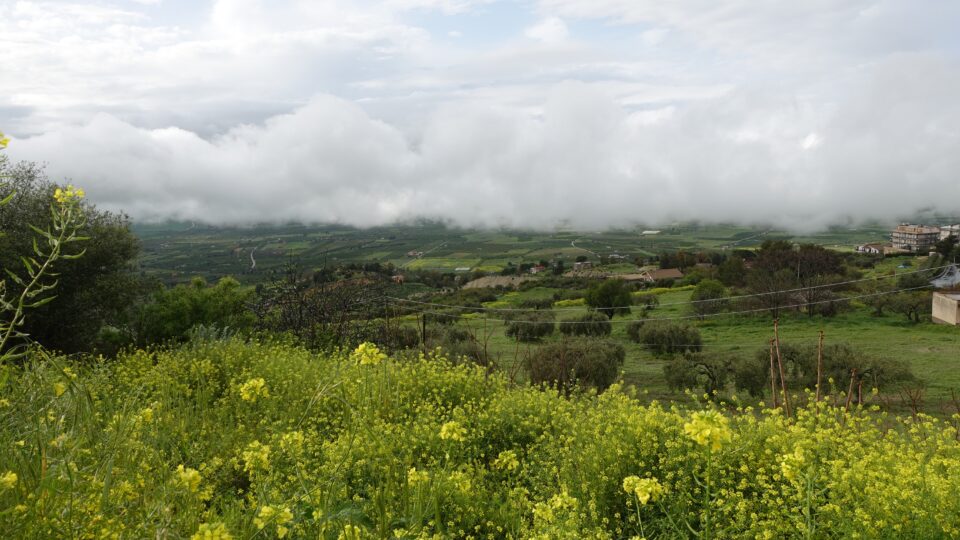
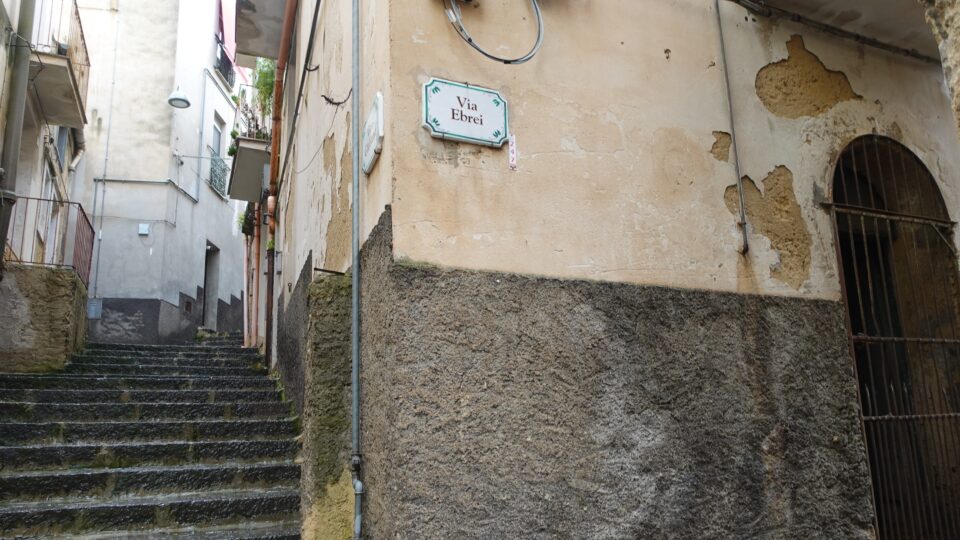
Between the 14th and 15th centuries, Mineo was home to one of the more active Jewish communities in Sicily, including several prominent Jewish physicians. While Jews were not formally confined to a specific quarter, for practical and religious reasons the community clustered in the area where Via Ebrei is found today.
Learning from our Google Maps experience in Caltagirone, we parked on the outskirts of town and walked in. The rain had stopped, and we headed towards the Jewish quarter. The town was quiet – siesta time – with few locals milling about and most places closed.
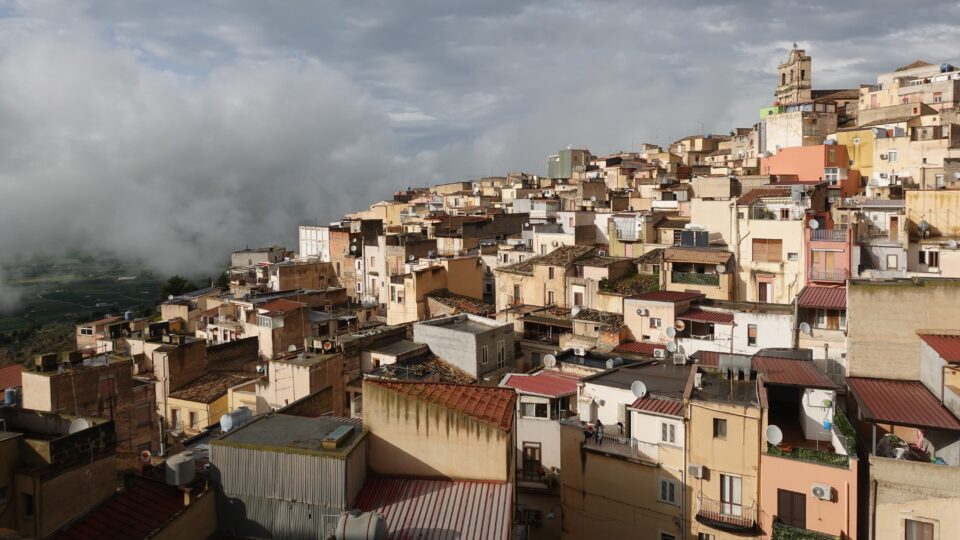
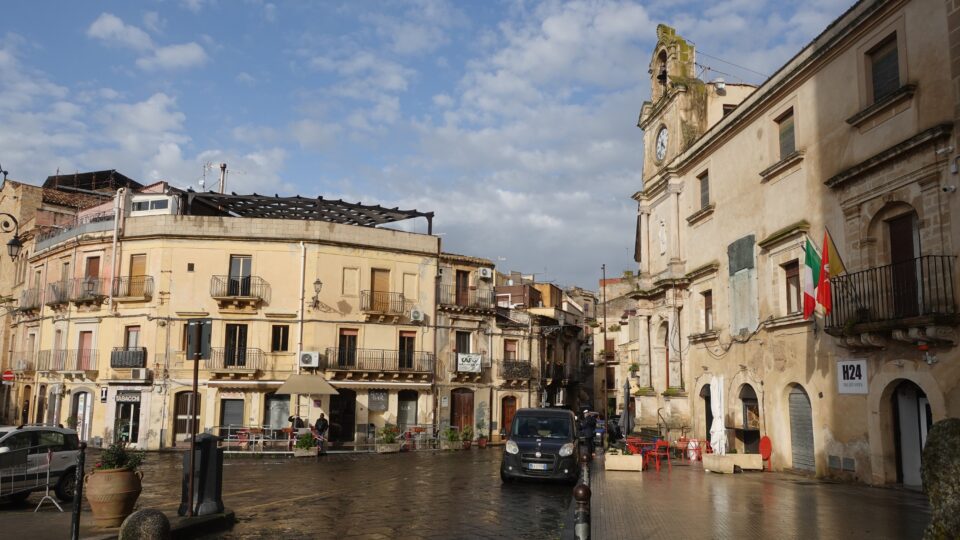
We had already driven nearly three hours to reach Mineo, and still had about two more hours of driving ahead of us to reach our final destination for the day—Syracuse. Set on Sicily’s eastern coast, Syracuse is often considered one of the island’s most beautiful cities. Its historic center lies on the island of Ortigia, connected to the mainland by a series of bridges. Our Airbnb for the next five nights was right in the center of Ortigia. With so much driving still ahead of us, unfortunately we would arrive in the dark.
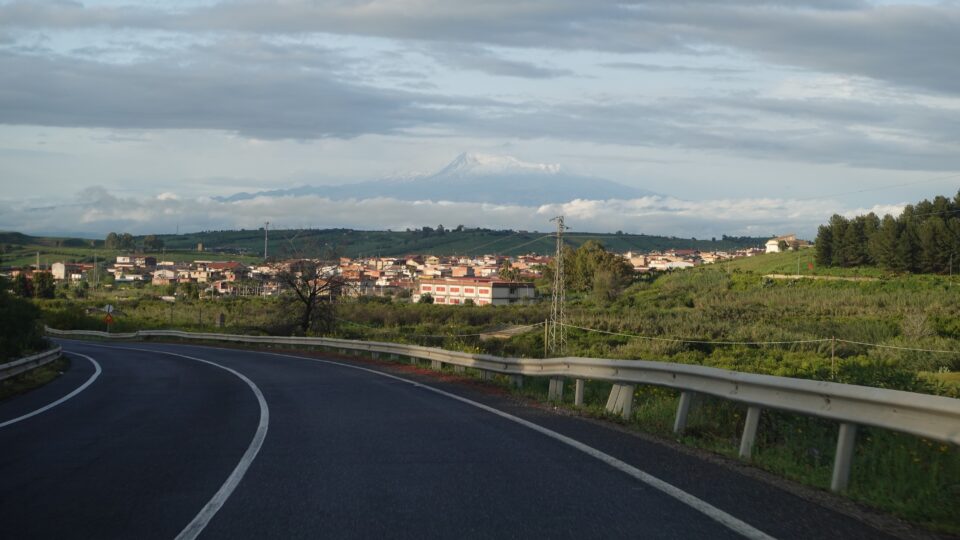
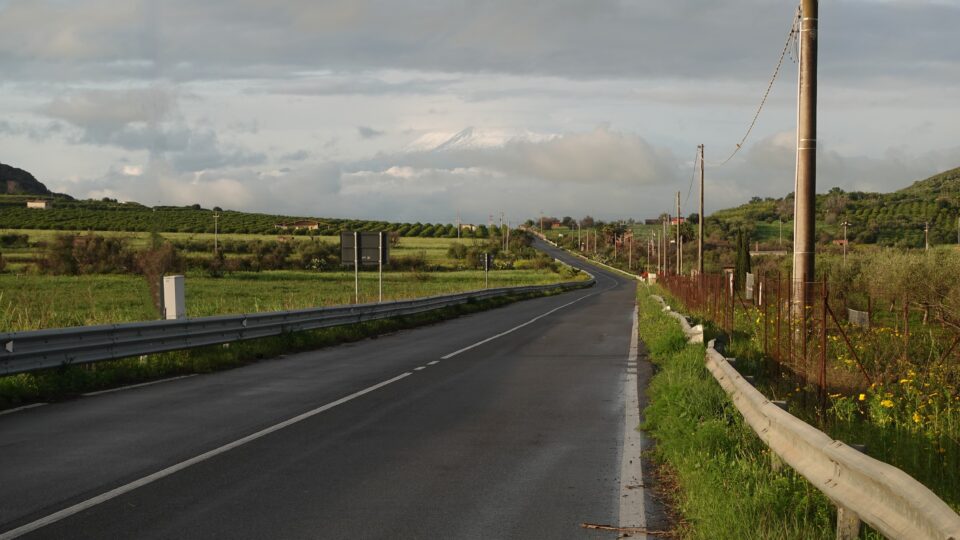
We found a spot near our apartment to drop off the suitcases, then parked the car in a public lot not too far away—surprisingly easy for a historic center. The apartment turned out to be much smaller than it looked in the photos, but it was clean, newly renovated, and perfectly manageable.
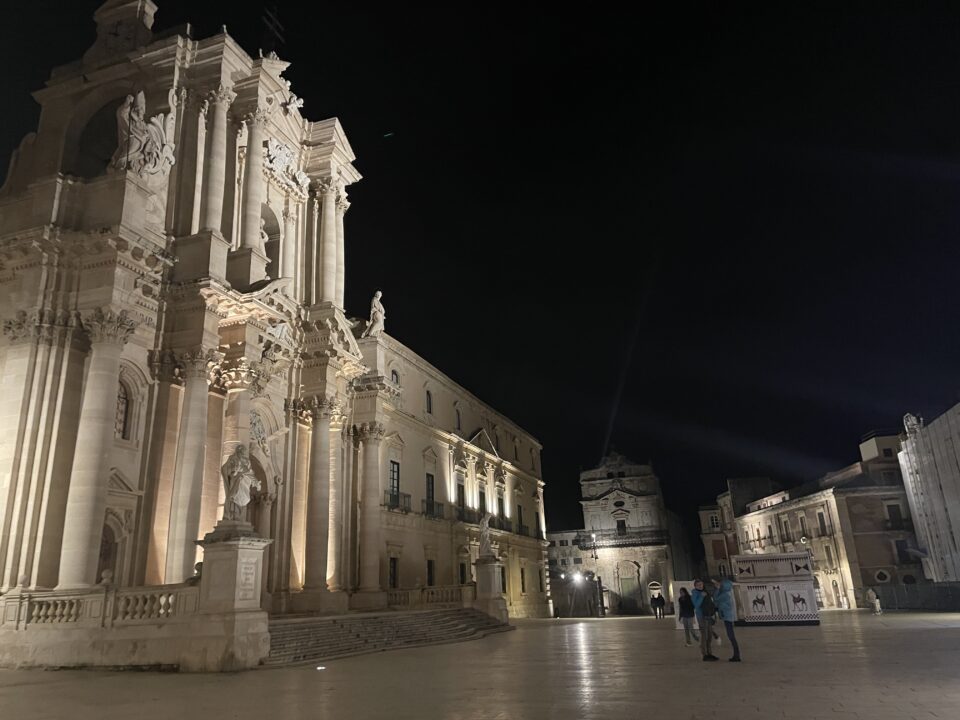
One of the advantages of staying in a larger, tourist-friendly city is the availability of vegan restaurants—and Ortigia had three. We chose one on the far side of the island and set off on foot, using the walk as a chance to explore. The main streets were inviting, beautifully lit up at night.
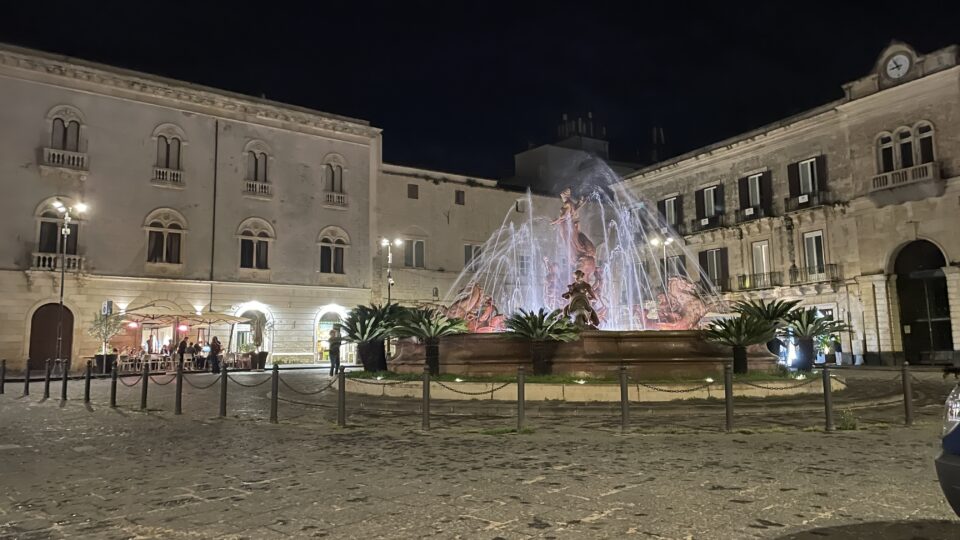
Dinner was at MOON – Move Ortigia Out of Normality, a contemporary vegan restaurant known for its beautifully plated, creative Sicilian-inspired dishes—a delicious way to end a long day.