SEPTEMBER 2, 2024: Now that the family reunion is behind us and our kids have all returned home, Mark and I are settling into what will be our daily routine for the next four weeks here in Spain. Each morning begins the same way: Mark with his prayers, me packing up our belongings. After breakfast, we load the car, finish exploring in the current town whatever we missed from the previous day, and then drive on—usually to one or two new towns.
Once there, we walk all over searching for traces of Jewish life. In the late afternoon, we check into our Airbnb, unload the car, kosher the kitchen, and prepare dinner. While Mark studies, I write—capturing the day and planning the next. Then we collapse into bed, exhausted, ready to do it all over again.
Occasionally it feels like we might be getting a bit too old for this – but mostly, we just keep going. So far, we’ve visited 16 towns in Spain. Only 34 more to go.
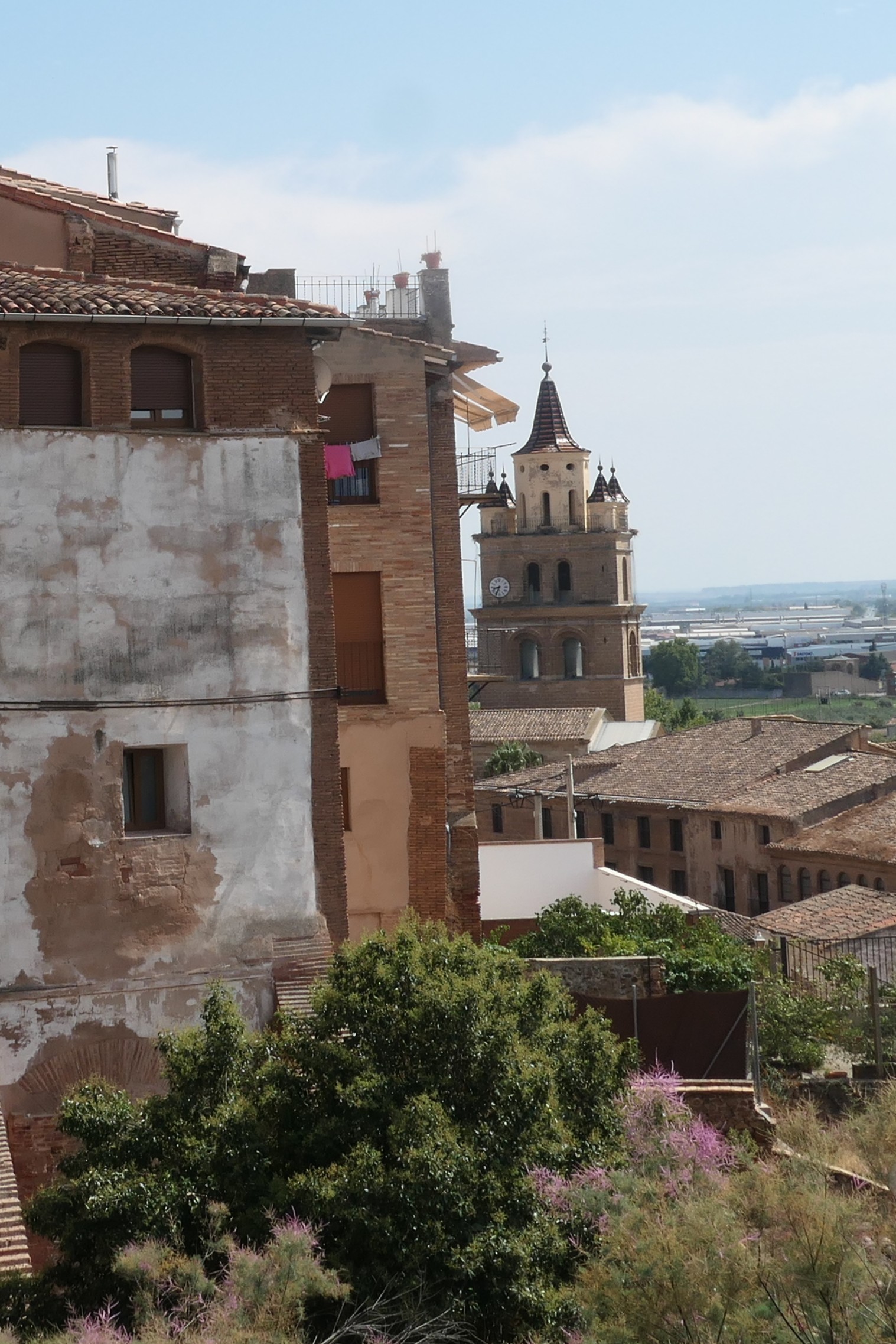
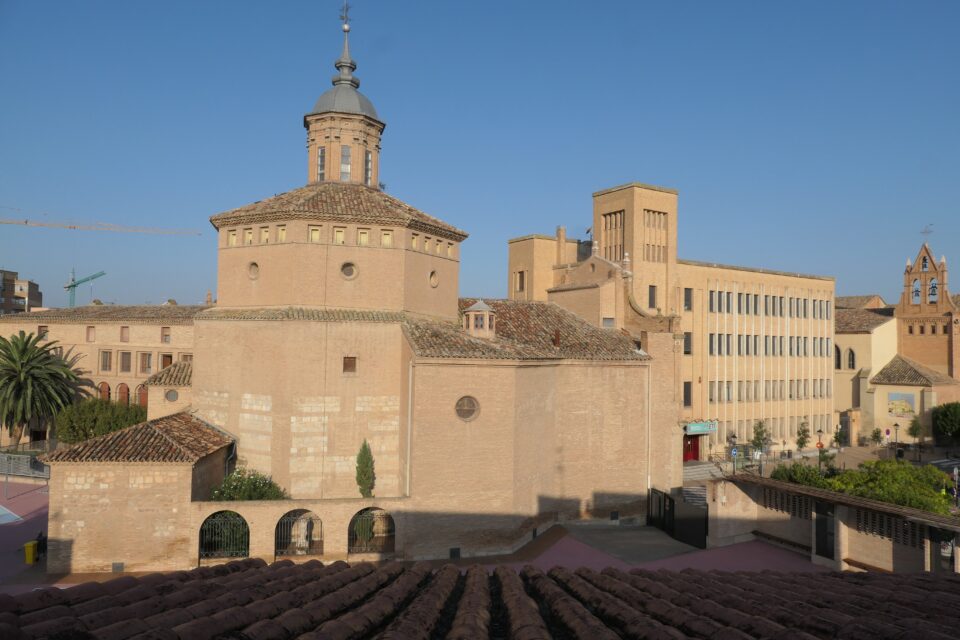
Woke up this morning to beautiful sunshine reflecting on the church across the street from our bedroom window in Tudela.
We had arrived yesterday afternoon but hadn’t managed to cover all the Jewish heritage sites, so this morning we set out to finish what we started before heading northwest to Calahorra, just about half an hour away.
Our first stop was San Miguel Square, once the center of the New Jewish Quarter. Like in the Old Quarter we had explored yesterday, ceramic plaques mark the area as Judería Nueva. According to the Jewish Networks brochure, there was supposed to be a stone here engraved with a Star of David, but we found no trace of it.
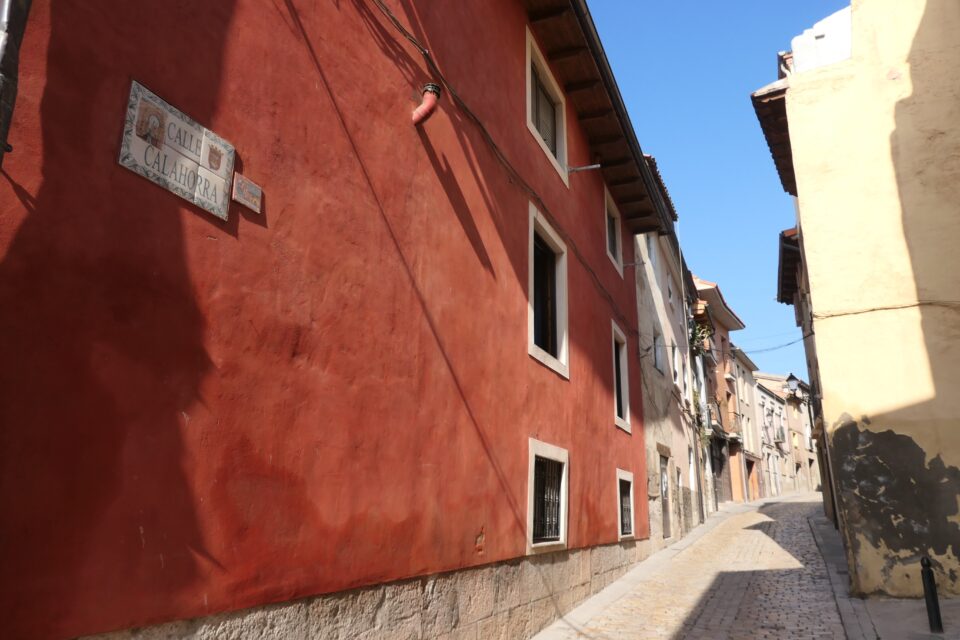
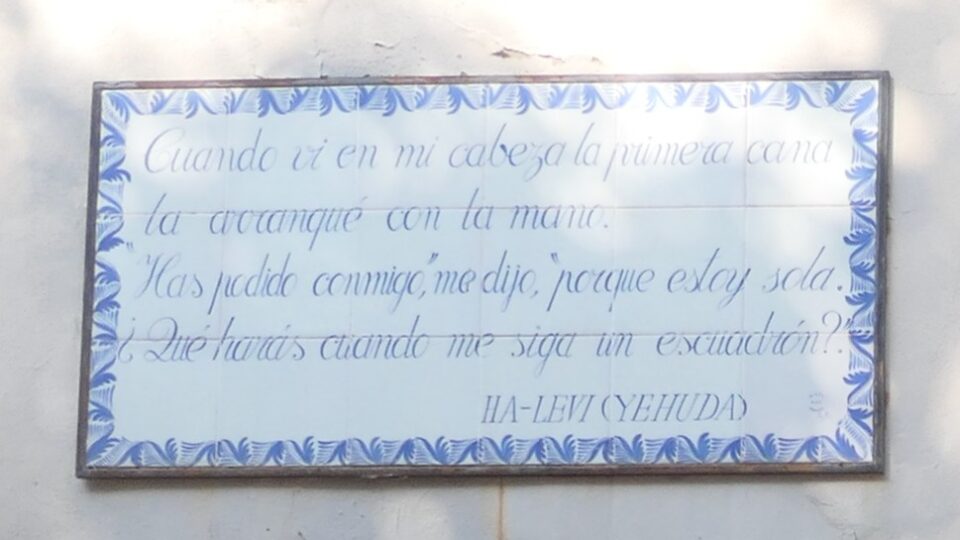
From there, we continued to Plaza Yehuda Ha-Levi. Today it’s little more than a small parking lot, but on one of the surrounding buildings we found two ceramic plaques inscribed with quotes from this great medieval poet.
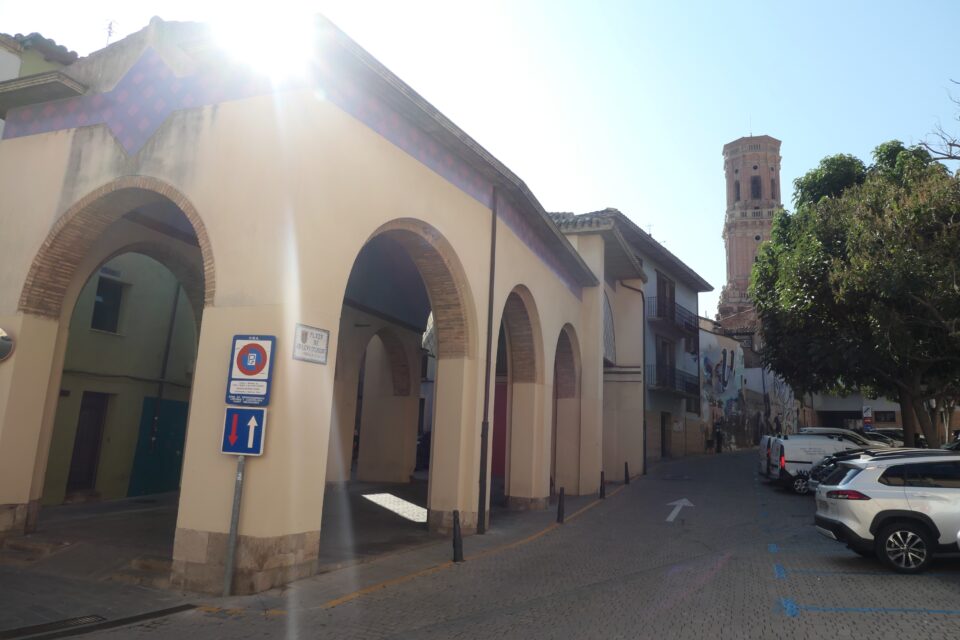
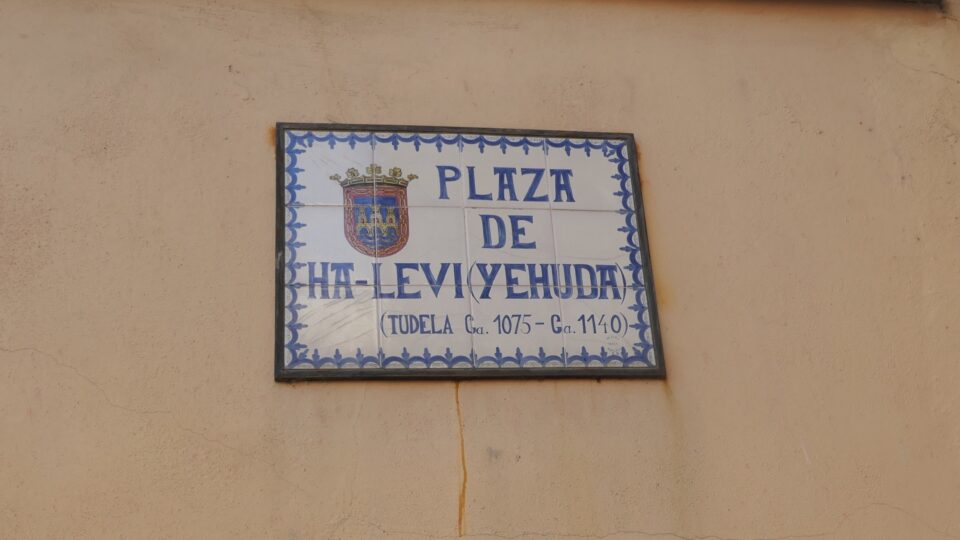
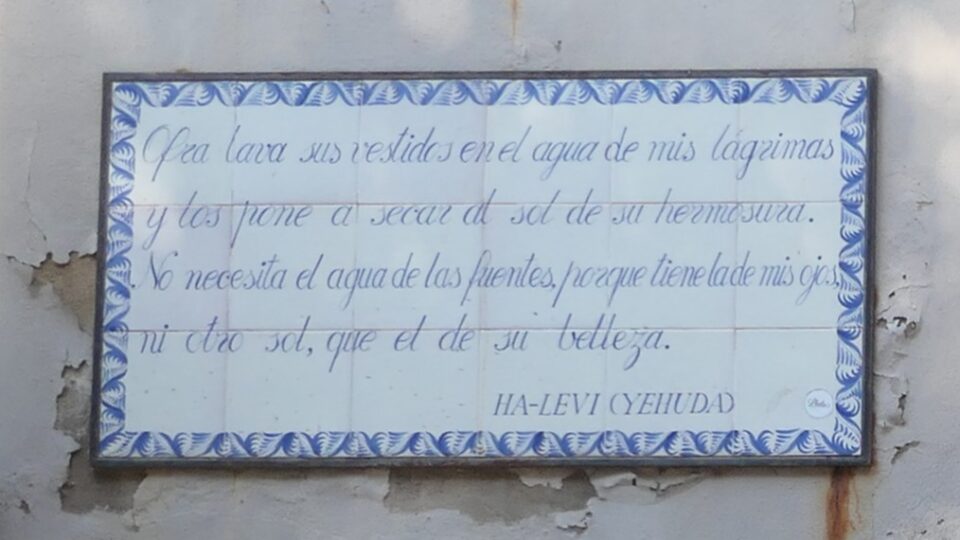
She does not need the water of the fountains, for she has that of my eyes,nor another sun, than that of her beauty.” — Ha-Levi (Yehuda)
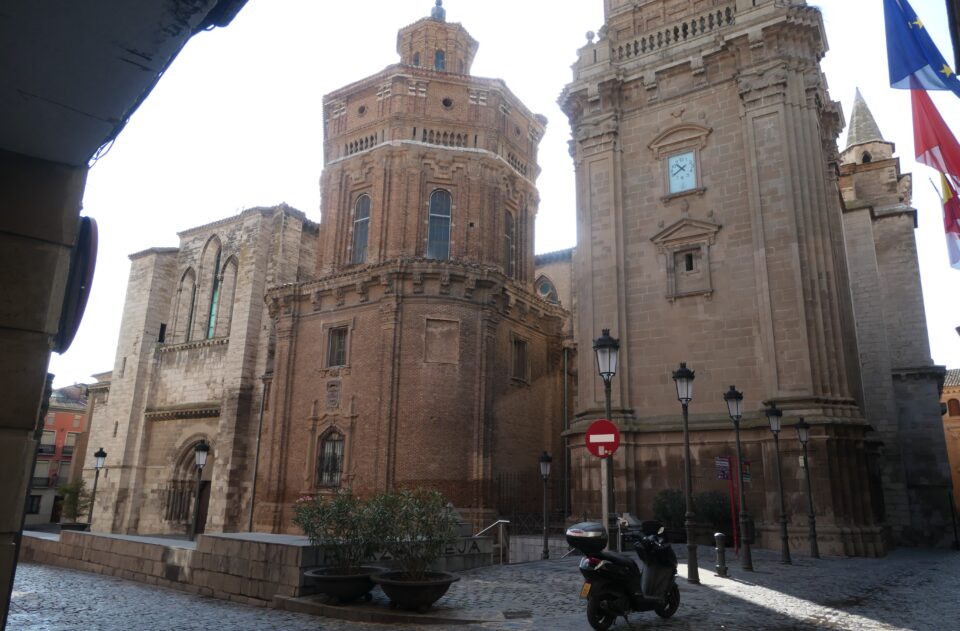
We then went to the Cathedral of Tudela, which stands in the heart of what was once the Jewish Quarter.
The adjacent museum was now open, and inside is a cloister. Opening off from the cloister is a small chapel that may once have served as a synagogue. If that is true, very little remains to suggest it. Only a staircase near the entrance – possibly leading to a women’s gallery – hinted at its earlier life.
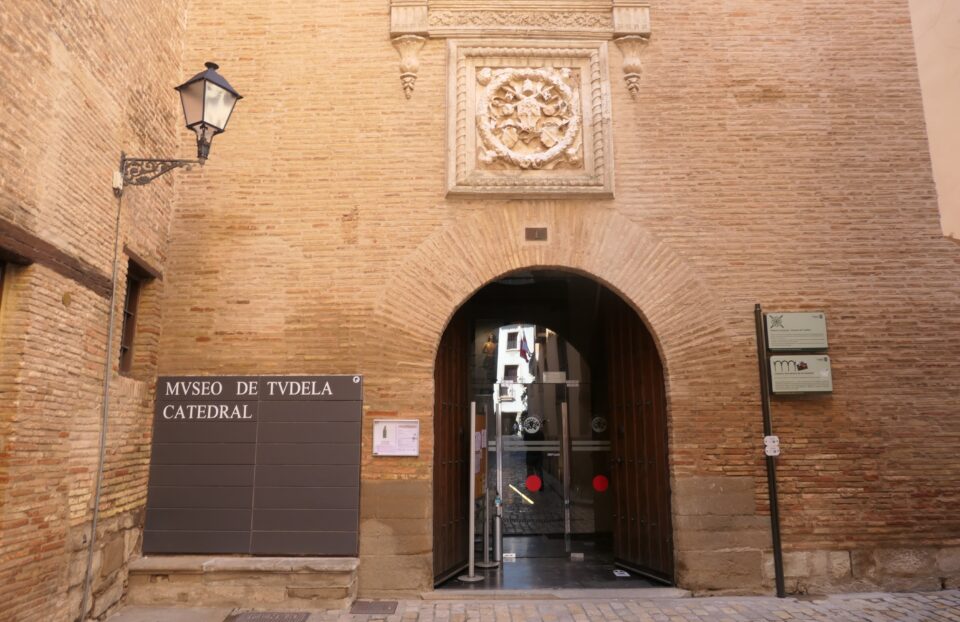
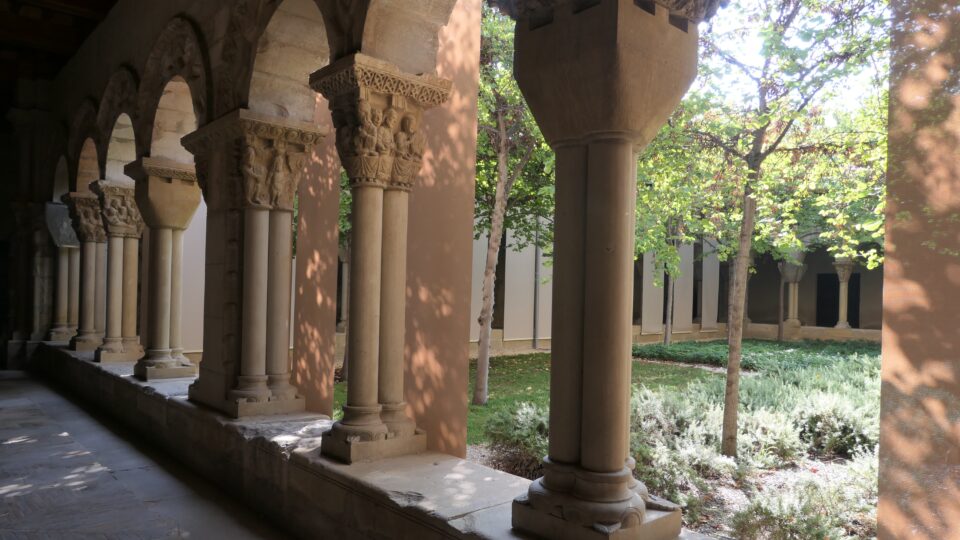
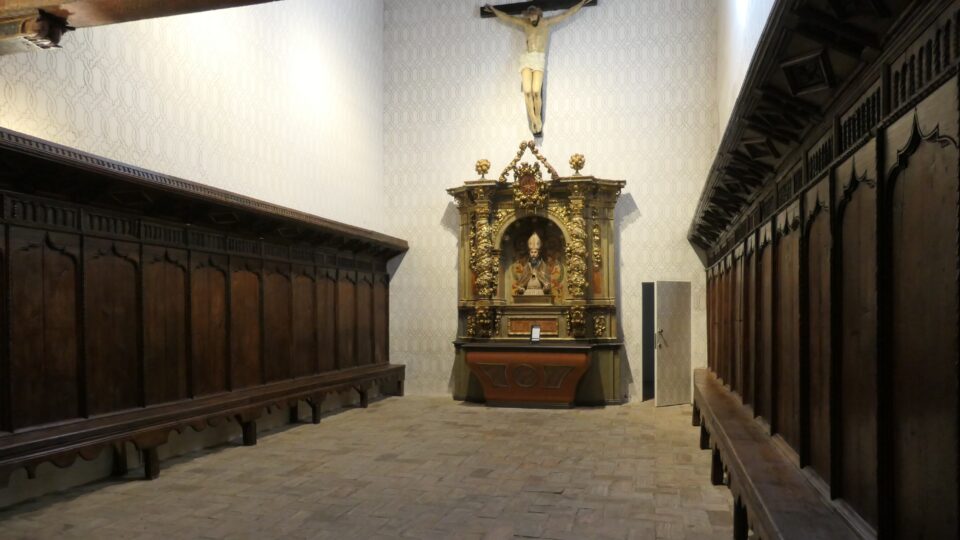
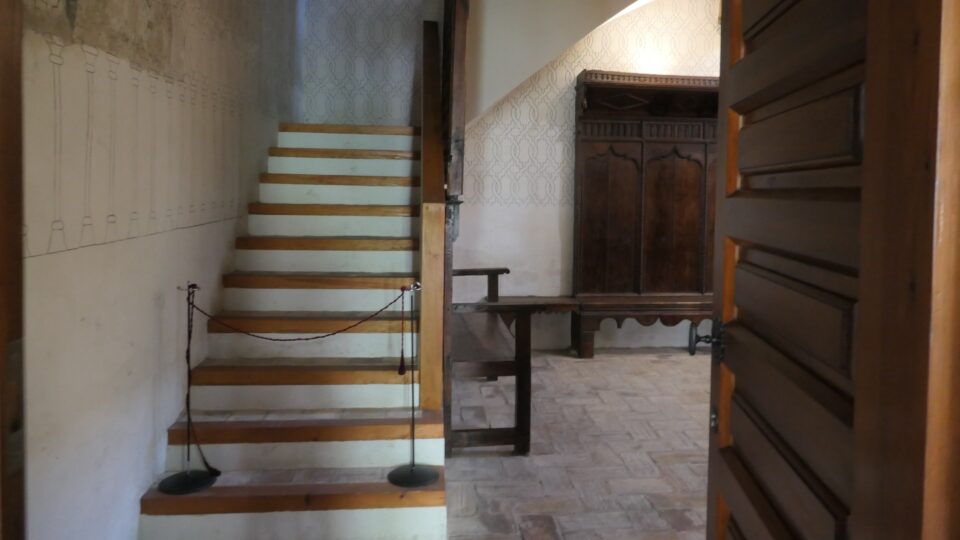
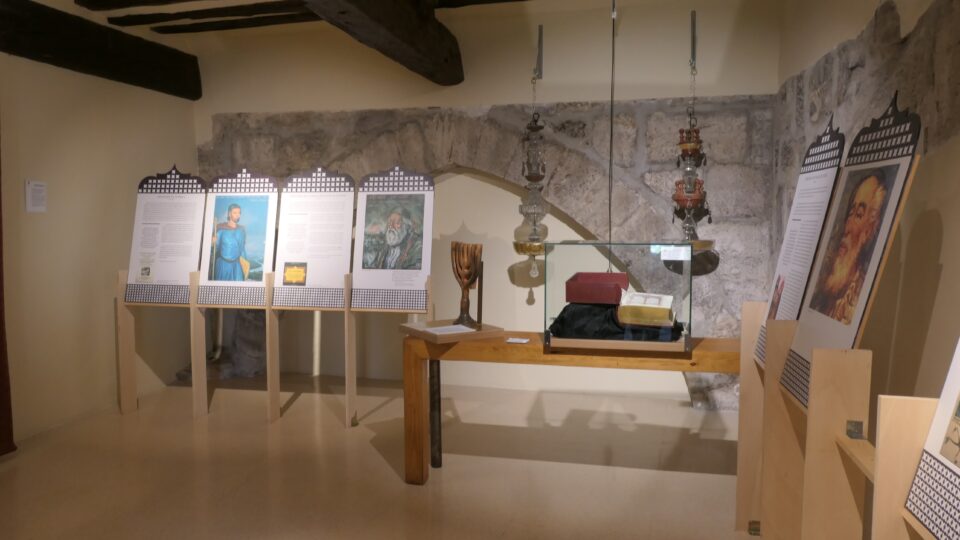
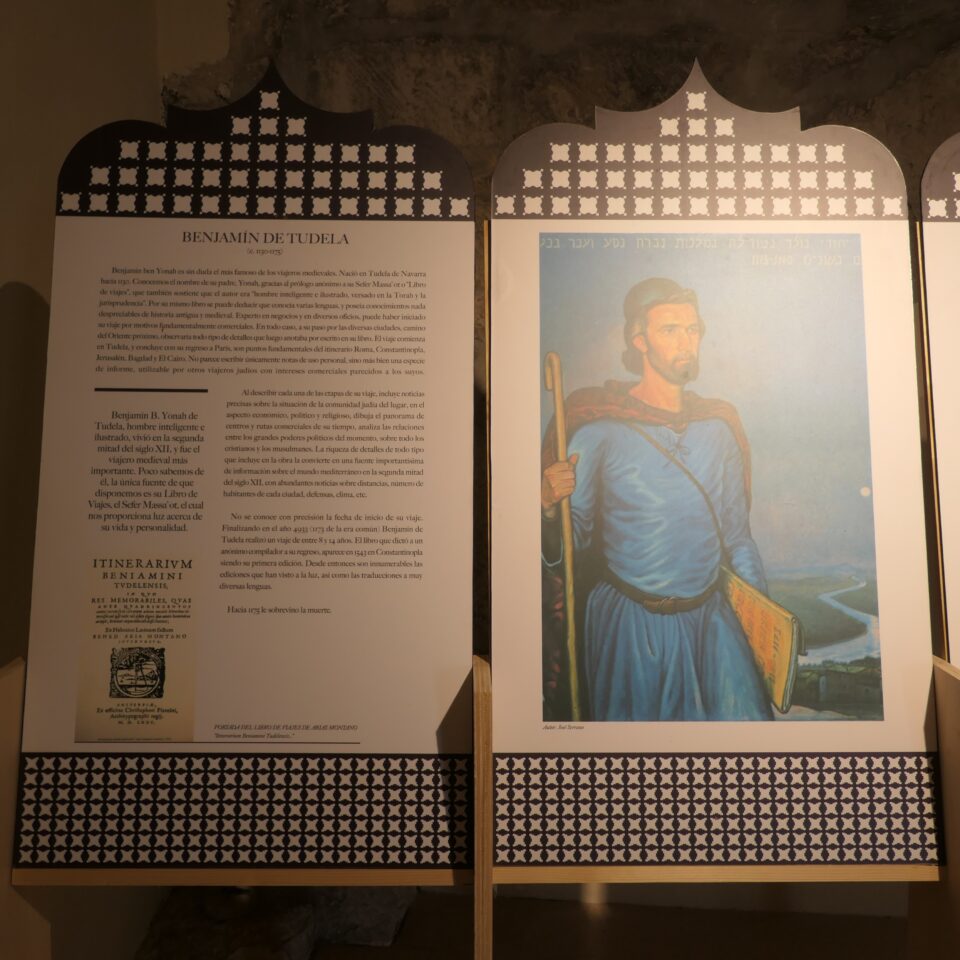
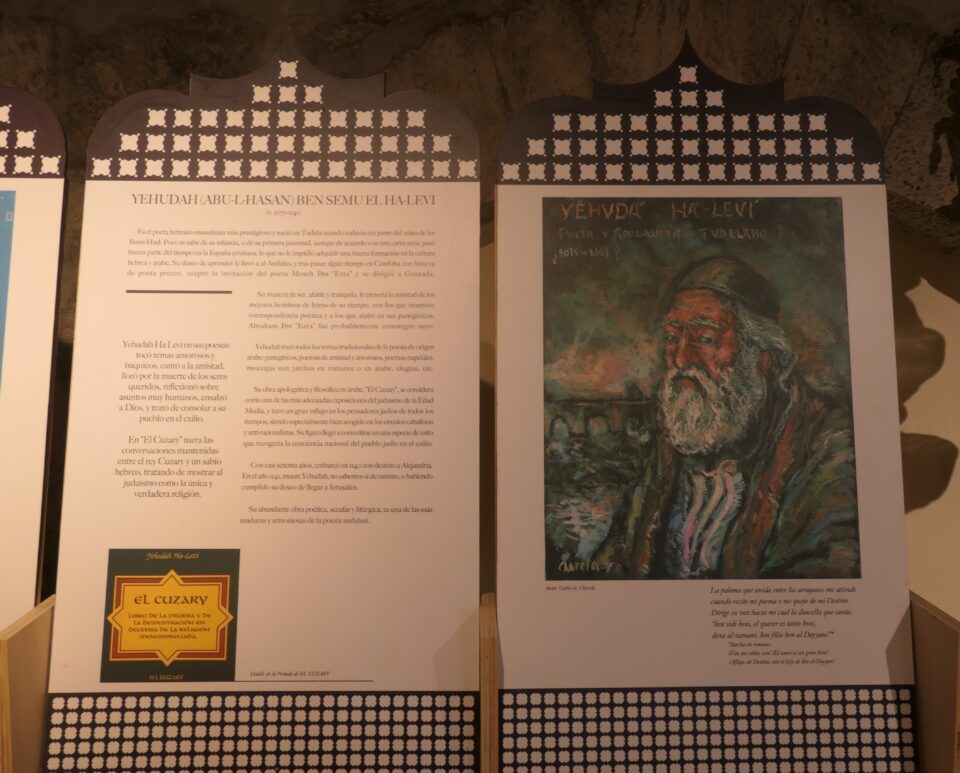
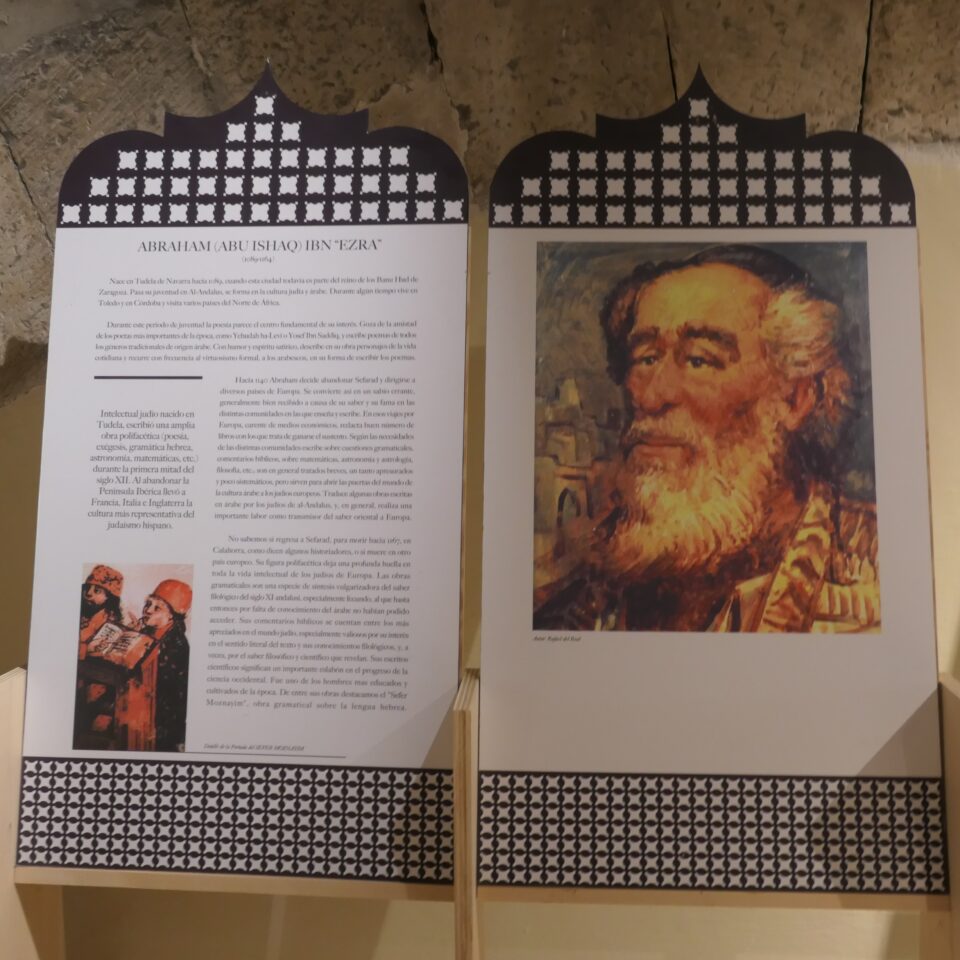
Next door to the chapel, was a small exhibit room focused on Jewish Tudela. It highlighted three major figures associated with the city: Benjamin of Tudela, Yehuda Ha’Levi (two that I previously mentioned) and Abraham Ibn Ezra.
Ibn Ezra, born in Tudela in1089, was a poet, scientist, grammarian, and biblical commentator. A friend of Yehuda Ha-Levi (and, according to tradition, his son-in-law), he spent much of his life wandering after three of his children died and one son converted to Islam. During those years, he produced some of his most important works, including a groundbreaking Hebrew grammar book that helped make linguistic scholarship accessible to Jews in Christian Europe. His biblical commentary, focused on the plain meaning of the text rather than midrash, was both innovative and, at times, quietly controversial.
The exhibit also included a few local artifacts—a fragment of a Hanukkah lamp unearthed in Tudela and a reproduction of a 16th-century “blanket,” a canvas once displayed in a church listing Jewish converts under orders of the Inquisition. Alongside these were more familiar items: a kippah, a tallit, a Haggadah, and volumes of Talmud—elements that appear in nearly every Jewish exhibition we’ve visited in Spain, connecting local history to broader Jewish life.
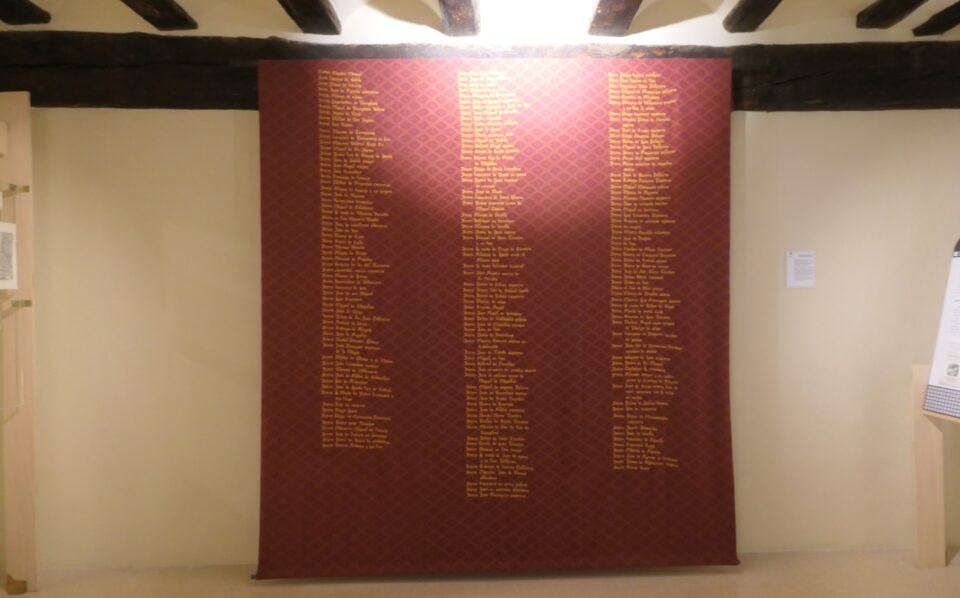
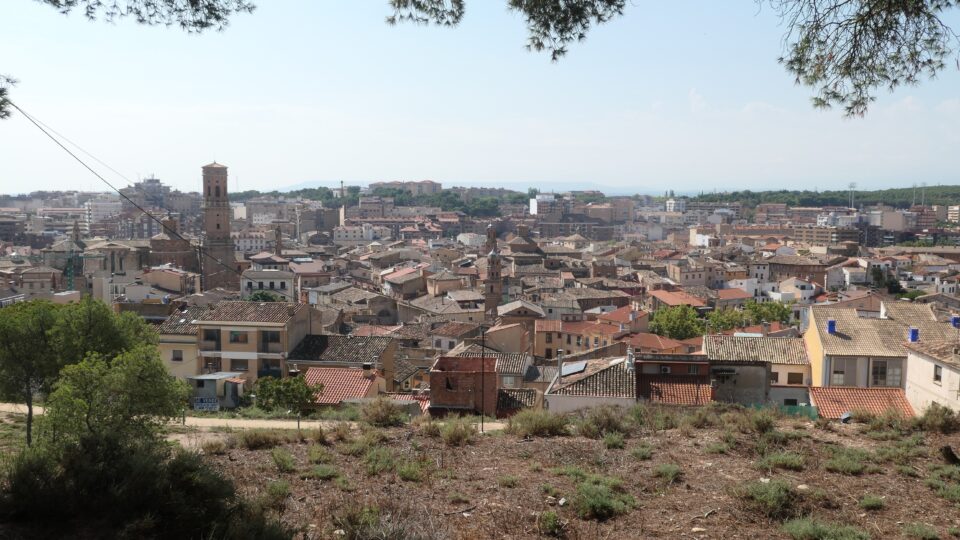
After a final stop at a viewpoint overlooking the city, we got back in the car and headed toward Calahorra.
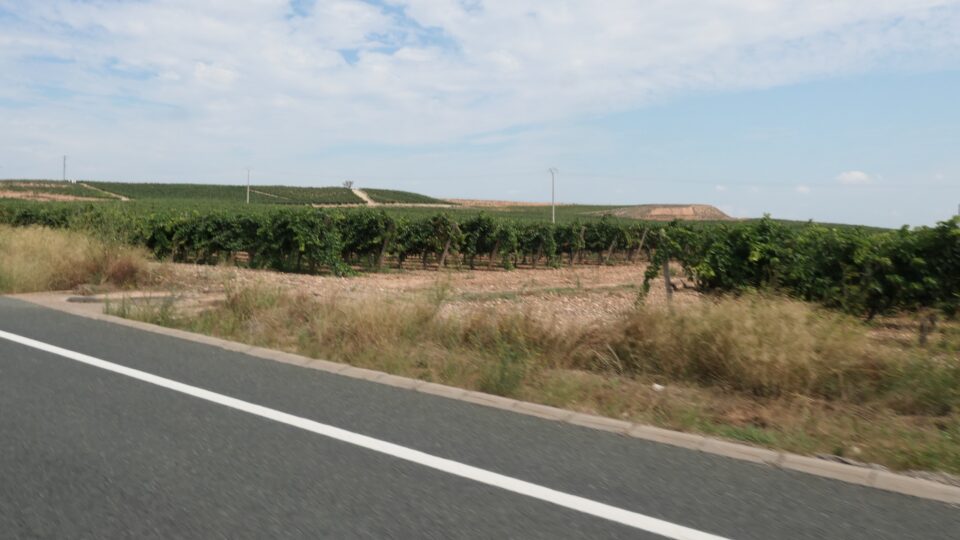
The drive took us through the vineyard-covered countryside—this is wine country.
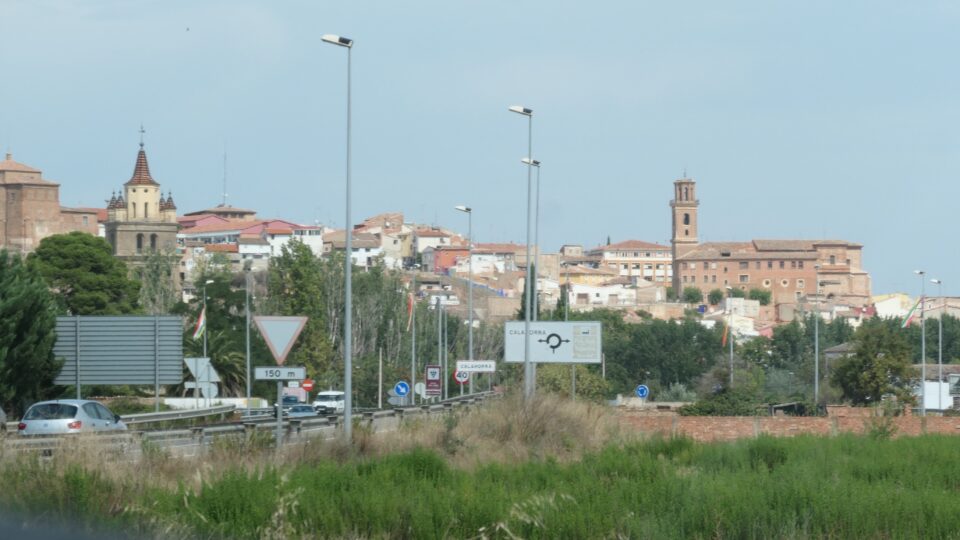
Calahorra’s Jewish history stretches back at least to the 12th century, making it one of the oldest Jewish communities in Castile. By the end of the 13th century, the Jewish population had grown to nearly 500 people—about 15% of the town. They were active in trade, real estate, and wine production, though like elsewhere, they faced heavy taxation and periodic hardship.
In 1370, many Jews fled to Navarre, seeking better conditions, though some later returned. The situation worsened again toward the end of the 15th century—by 1491, Jews were forced to wear identifying signs, and in 1492, with the expullsion, the community was effectively erased. The synagogue was converted into a church, and later into the Monastery of San Sebastián.
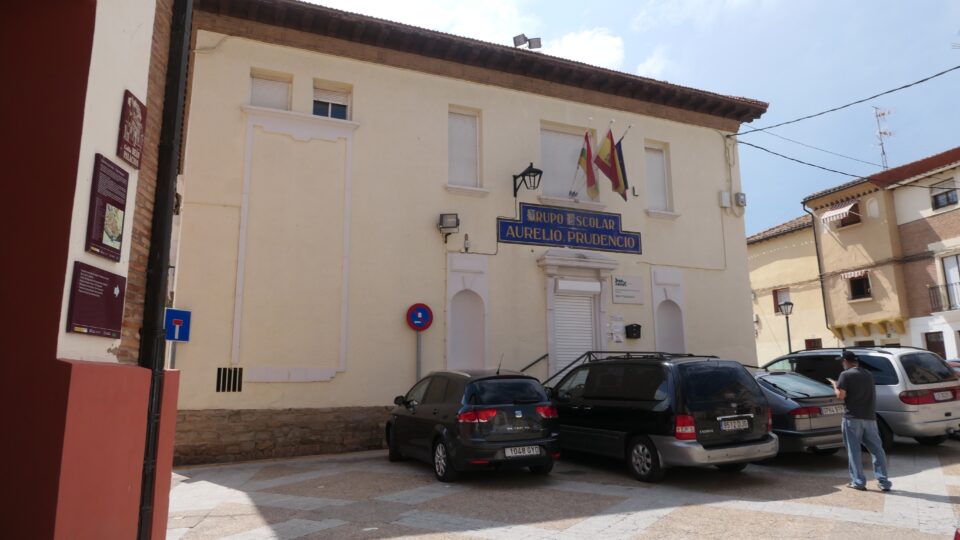
The Jewish quarter was located near the castle of Calahorra and the present-day church of San Francisco. It was enclosed by walls, with an entrance known as the Puerta de la Judería. The synagogue itself stood on the site of what is now the Aurelio Prudencio School.
However, walking through Calahorra, you would hardly know any of this.
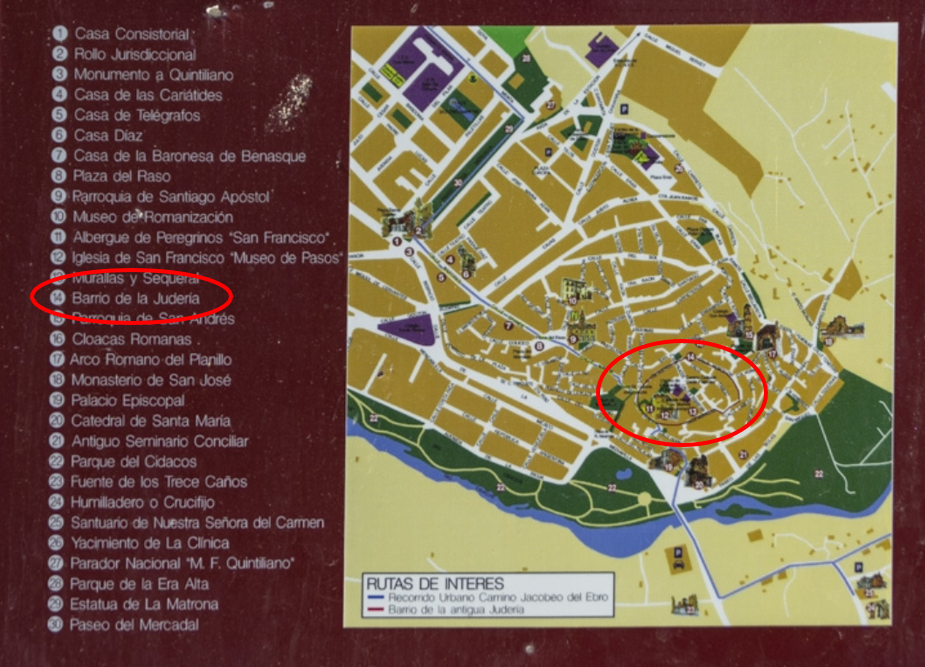
Even though Calahorra belongs to the Network of Jewish Quarters, there were minimal indications of its Jewish past. Aside from a few Sephard Network signs on the pavement, a single informational plaque marking the entrance to the former Jewish Quarter, and the occasional map where the Jewish Quarter is just one of thirty landmarks indicated, there was little else. As a result, most visitors would never realize this was once home to a thriving Jewish community.
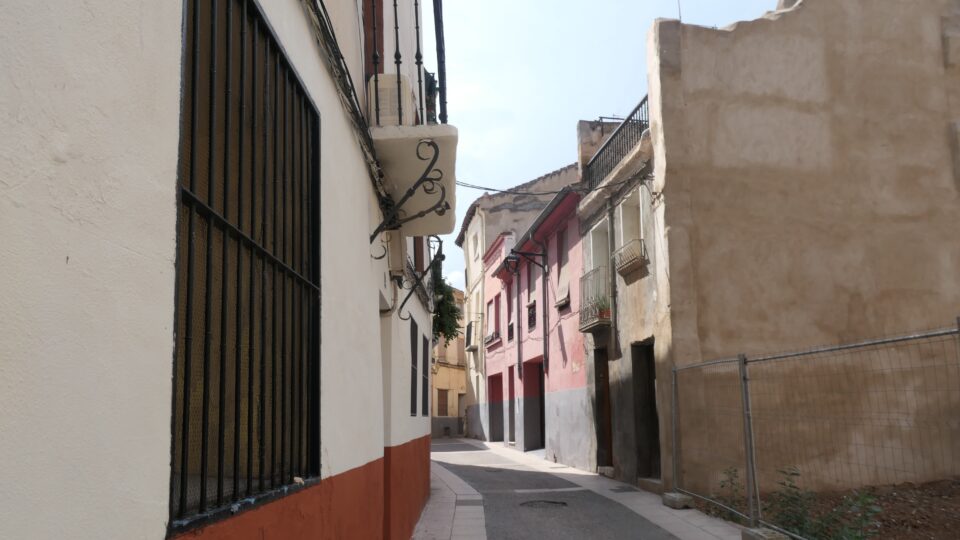
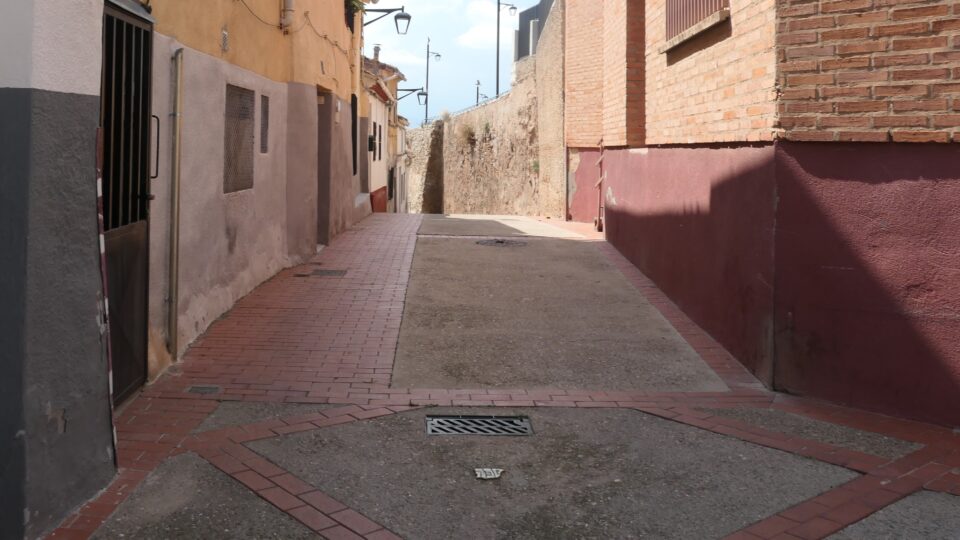
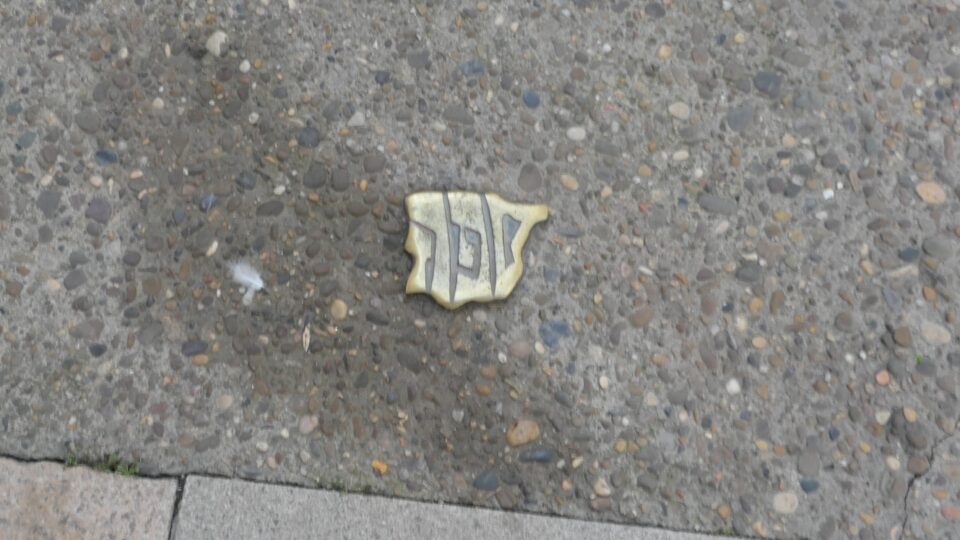
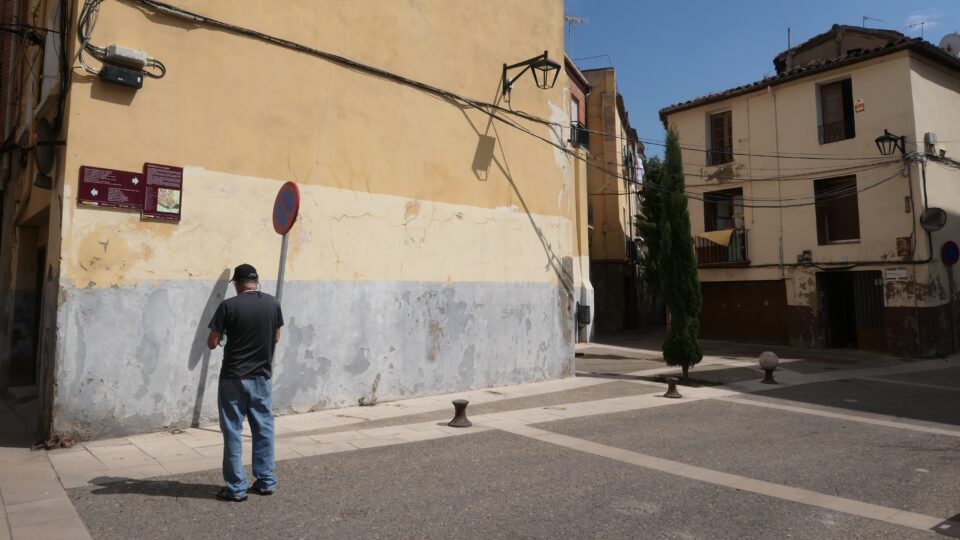
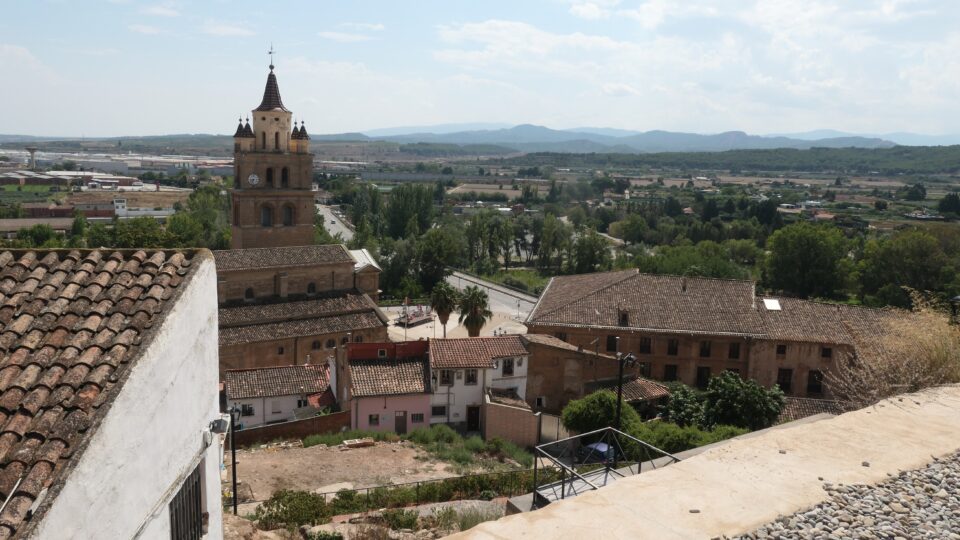
Unlike many towns where cathedrals are prominently situated on elevated ground, Calahorra’s Cathedral of Santa María is uniquely located near the river, just outside the city center.
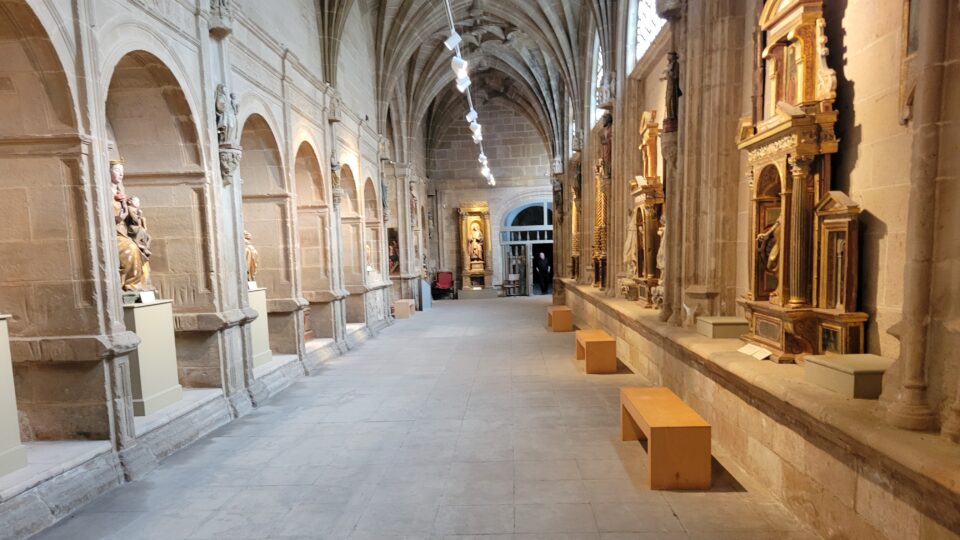
Although few remains of Calahorra’s Jewish past can be seen in the former Jewish quarter, the Cathedral Museum houses a Torah scroll fragment and some documents related to the town’s Jewish history.
Mark made the long trek down the hill to the cathedral, but unfortunately, when he arrived, the cathedral was open, but the Cathedral Museum was closed. A worker told him, that if he knocked on the museum door, there is an caretaker inside, who might let him in. After some knocking, a very old, grumpy man opened the door.
Using Google Translate, Mark explained that he would like to see the Hebrew texts. The caretaker reluctantly agreed and led him through a maze of corridors to the Jewish documents. Mark took some photos and left – success!
Or so we thought. When he tried to send them to me, he accidentally deleted them all.
With some trepidation, he knocked again, and once more, using Google Translate, he explained the situation. After a visible grimace, the old caretaker led him back a second time. This time – success!
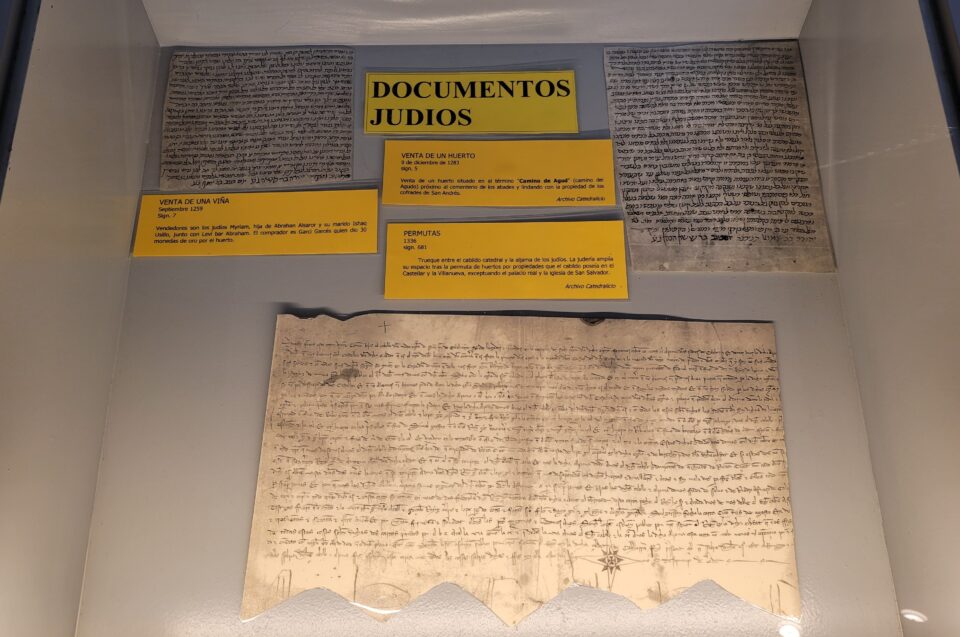
Once we were back home and took a closer look at the documents Mark had photographed, they turned out to be quite interesting. In the cathedral museum, there were two relevant display cases, one of them clearly labeled “Jewish Documents.” It contained three handwritten documents—two in Hebrew and one in Latin—dating from the 13th–14th centuries and dealing with land sales between Jews and non-Jews.
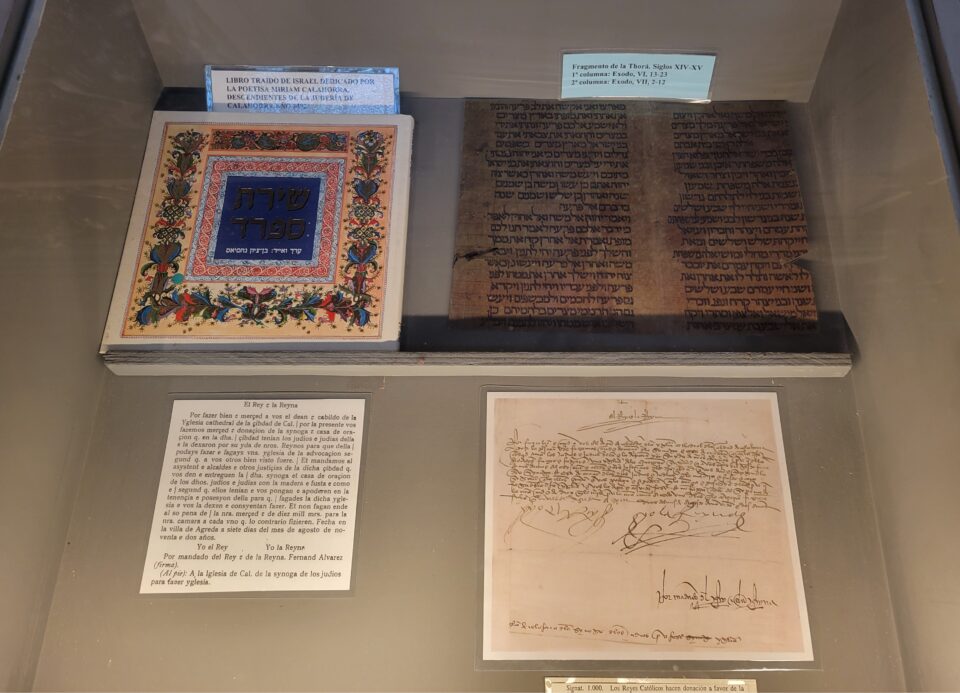
The other display case contained three very different items. One, rather unexpectedly, was a copy of Shirat Sefarad (Poetry of Spain), published in 1992 and edited and illustrated by Ben-Zion Nachmias. The label beside it states that the book was inscribed by Miriam Calahorra in dedication to the Jewish community that once lived in Calahorra. Yet when I later searched online, I could not find any reference linking anyone named Miriam Calahorra to the book, which only deepened the mystery.
The second item was a fragment of a medieval Torah scroll. Apparently, old scrolls were sometimes cut up and reused to bind other documents. In this case, while preparing general materials for display, the museum discovered that one such document had been wrapped in this fragment of a Torah scroll.
The final item in the case was perhaps the most striking: a letter transferring ownership of the synagogue, along with all the property in the Jewish quarter, to the Church. It is dated August 1492—a typical document from the period immediately following the expulsion.
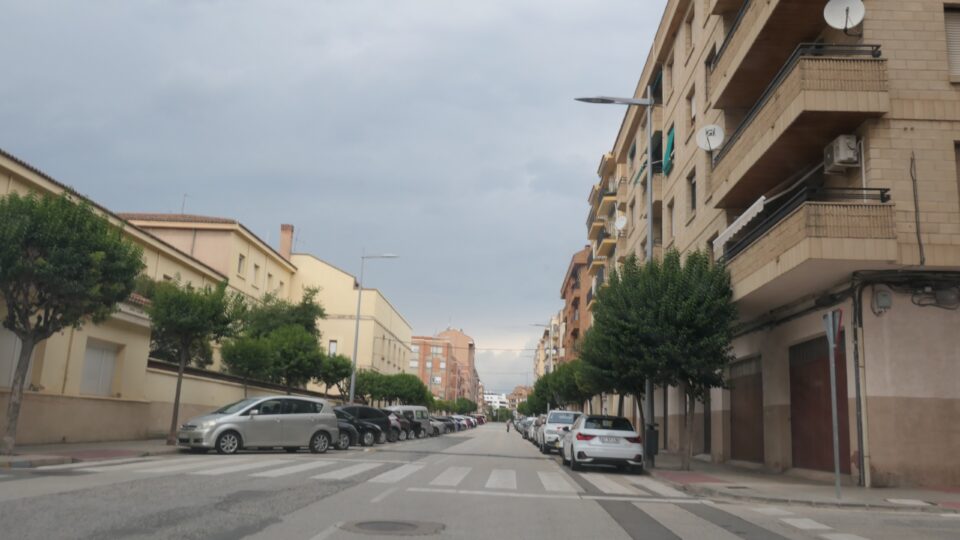
Today, Calahorra has about 23,000 residents. Our Airbnb was in a modern building near the river, not far from the town’s Parador, a large red-brick historic structure along the Ebro.
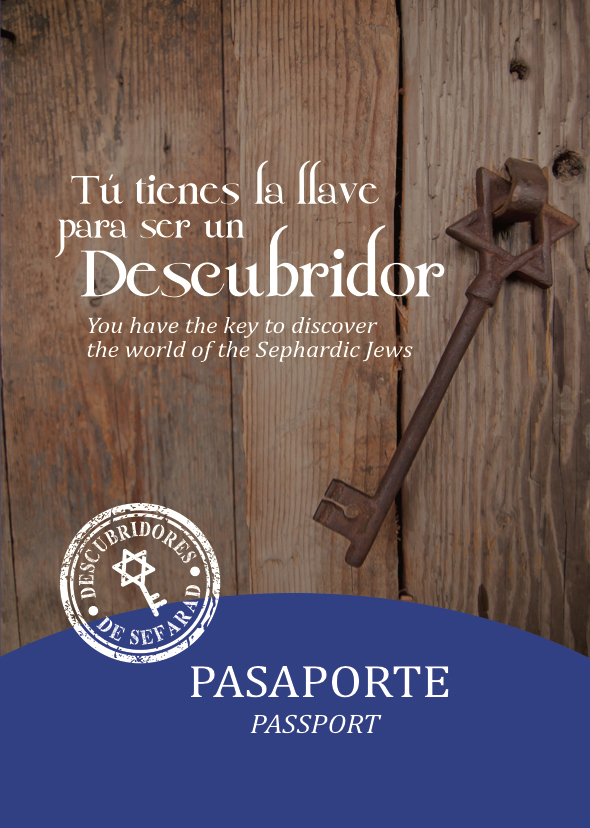
After settling in, we stopped by the tourist office, where we received a map of the Jewish Quarter and a booklet about the city’s Jewish history. We also picked up something new—a Network of Jewish Quarters passport, designed to collect stamps from each member city.
We proudly added our Calahorra stamp. Only then did we realize we had missed getting stamps in both Tarazona and Tudela. However, we look forward to visiting – and collecting stamps – from the 14 other cities in the network that we plan to visit.
The Yehuda halevi plaza should be a pit stop in hamerutz lamilyon