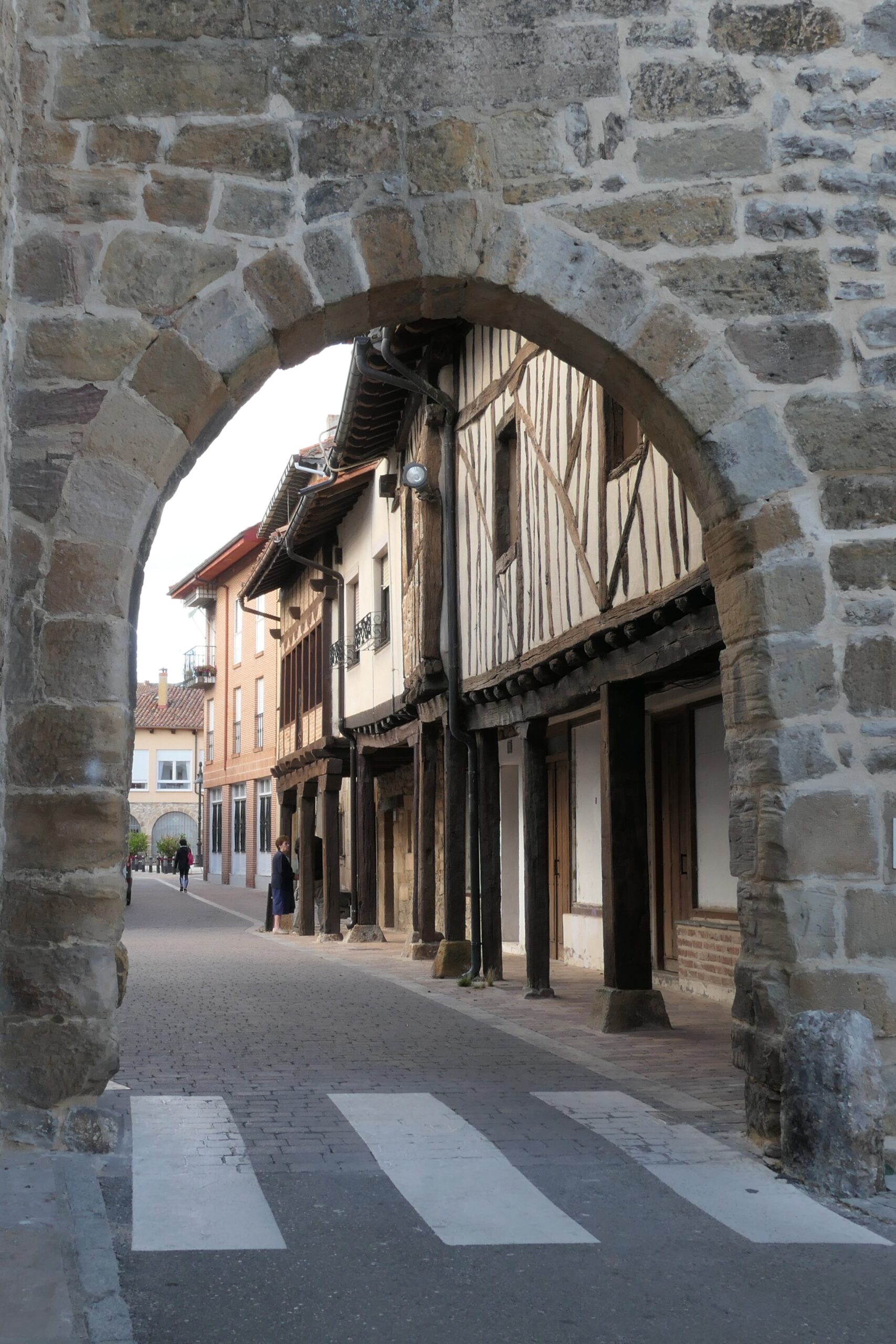
SEPTEMBER 4, 2025: Here in Spain, large cities that have undergone significant urban renewal tend to have few visible traces of their Jewish history. In contrast, smaller medieval towns, which have not done as much renovation, are far more likely to retain remnants of their Jewish past.
Today we visited two large cities, both of which once had important medieval Jewish communities but now have very little to show for them, and then one small town, where the Jewish heritage sites were more plentiful.
We started the day by driving to the historic center of Vitoria-Gasteiz. It has a large pedestrian area and is easy to walk around, but it quickly became clear that finding traces of the city’s Jewish past would not be so straightforward.
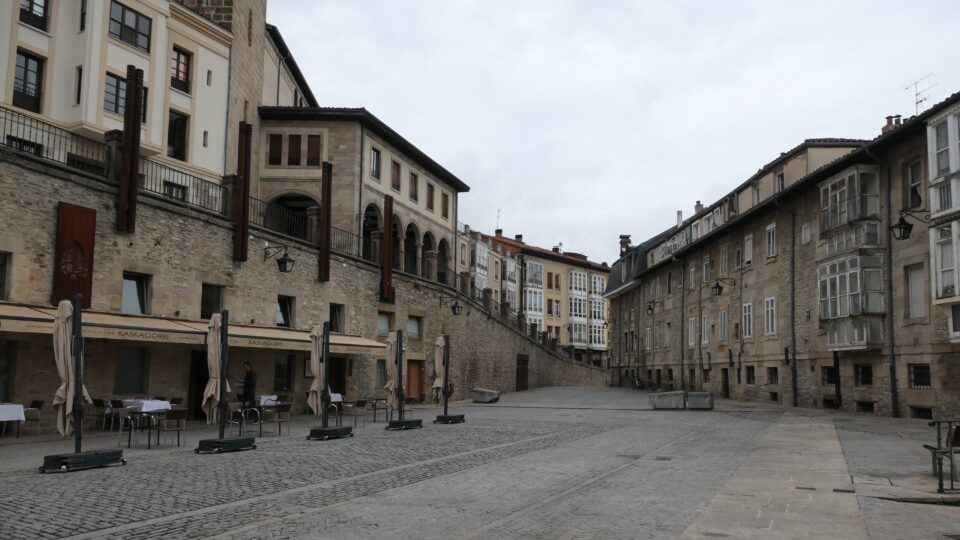
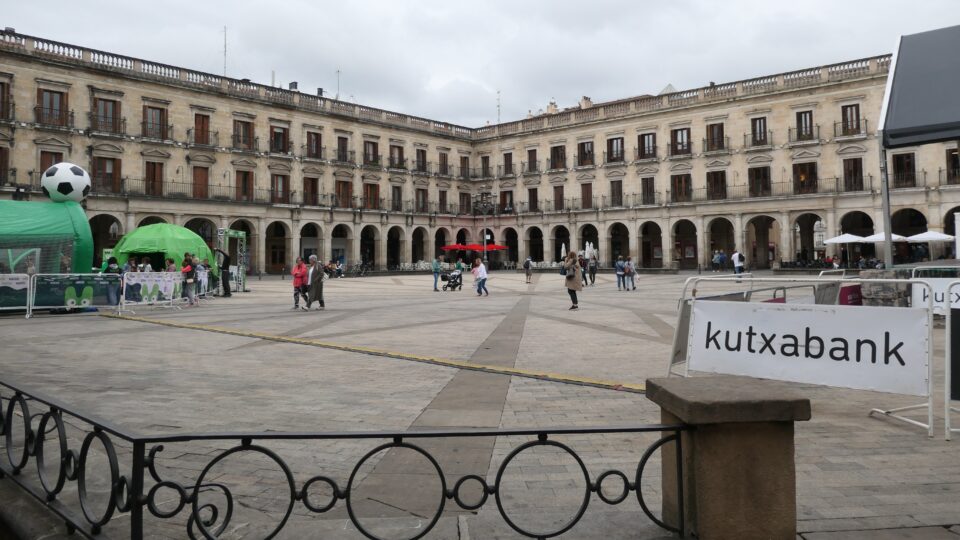
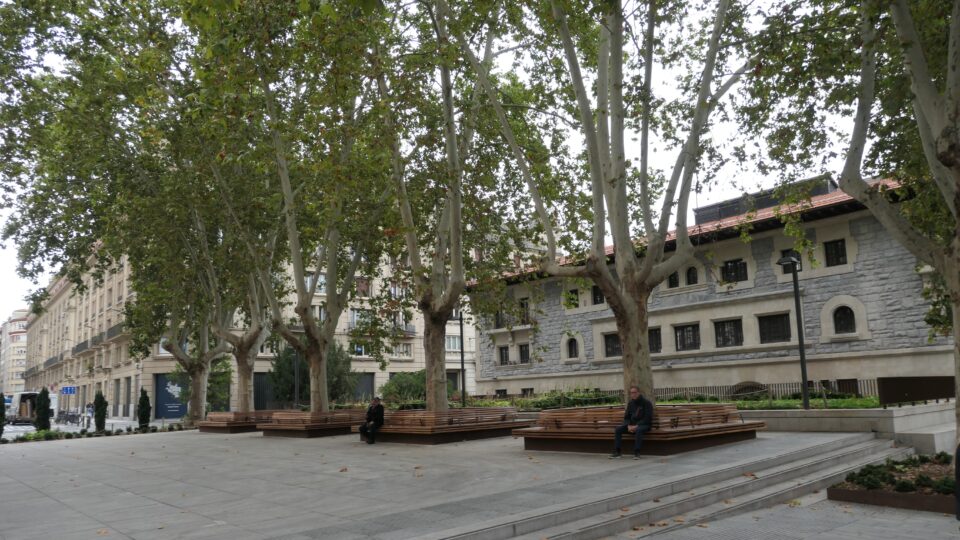
Vitoria-Gasteiz had a significant medieval Jewish community that lived within the walled town and played an important role in its economic life. By the time of the expulsion in 1492, the community had grown to about 900, roughly 6–7% of the town’s population.
We went to the tourist office, where I asked about Jewish Vitoria-Gasteiz. The woman there knew nothing about it and instead directed us to the city’s three cathedrals. She did not even mention the old Jewish quarter. That was disappointing, though not exactly surprising. We have learned that unless a place has made a conscious effort to showcase its Jewish history, that history can remain almost invisible.
Based on what we had found in our internet research, we set out to find the former Street of the Jews, in what had once been Vitoria-Gasteiz’s Jewish Quarter, or Judería. Today, the street is called Calle Nueva Dentro.
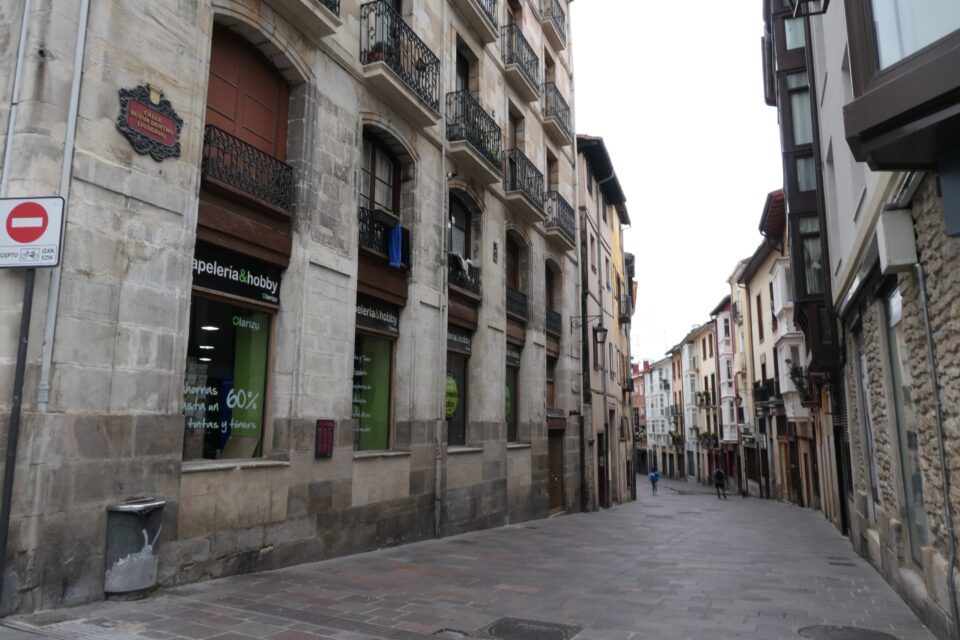
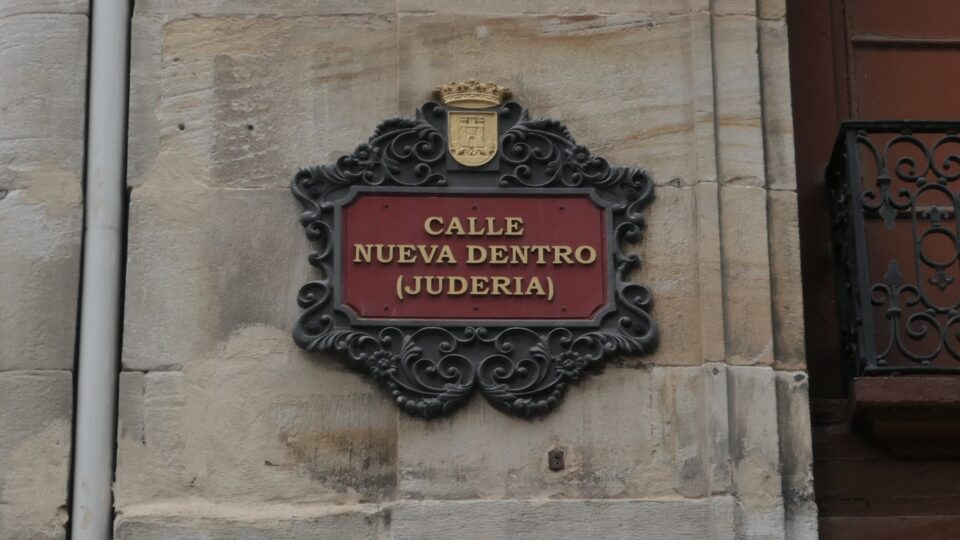
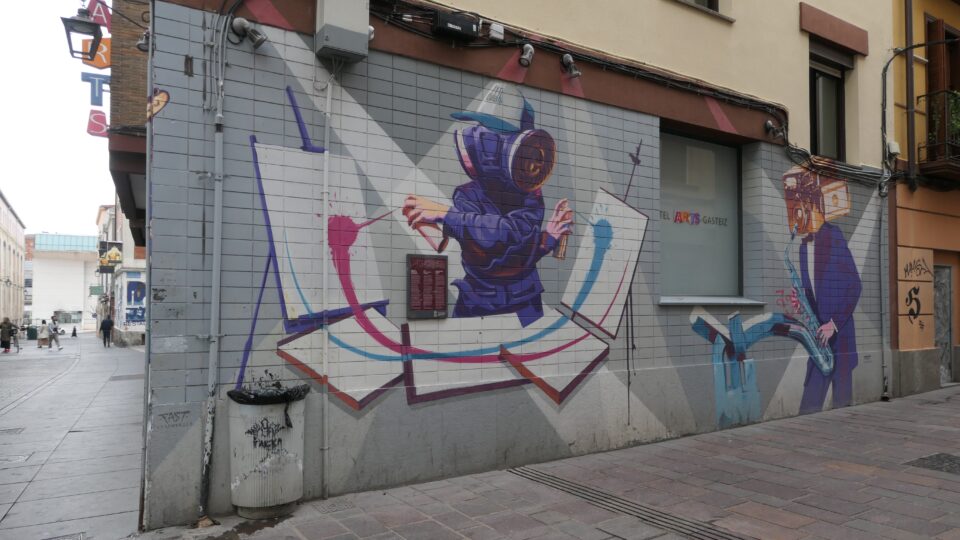
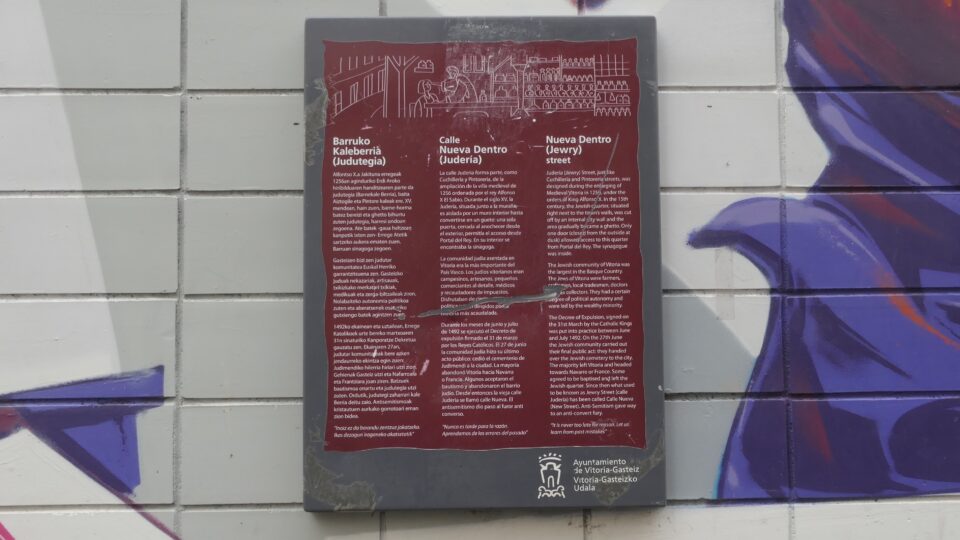
At the end of the street, almost hidden within a large, colorful mural, we found a small sign about the former Jewish community.
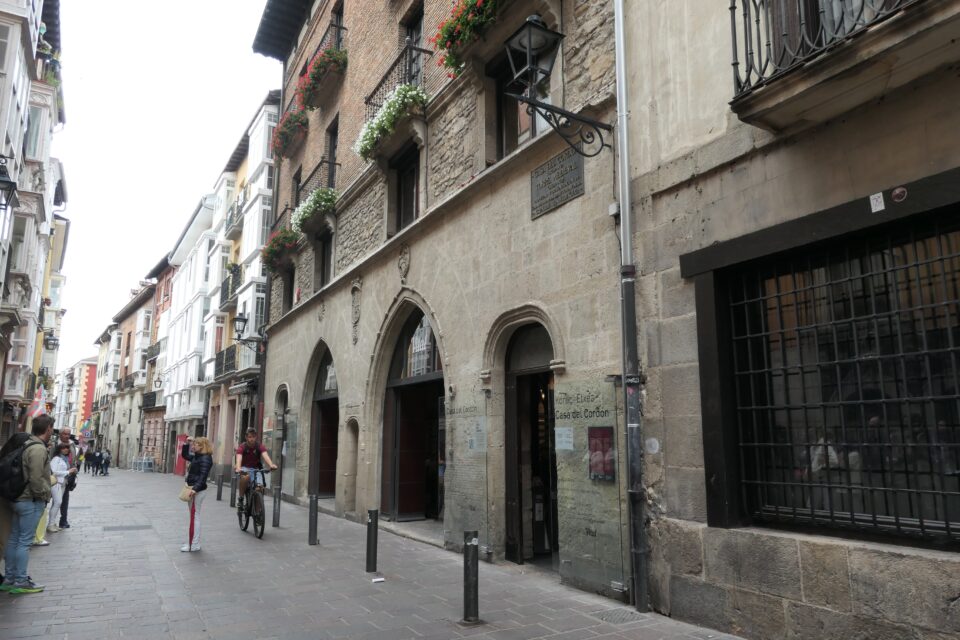
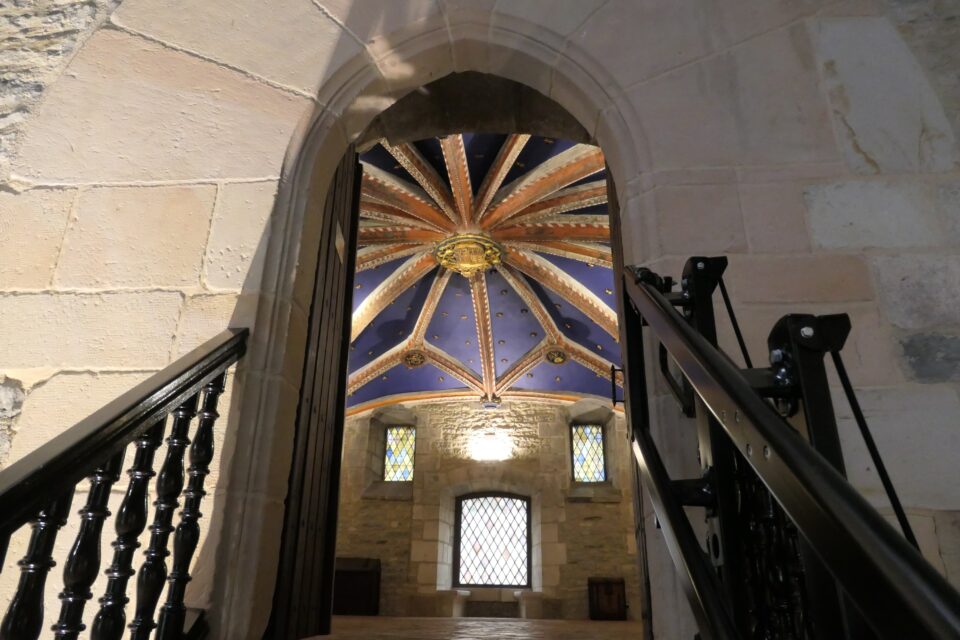
Our last stop had a more far-fetched connection to Jewish heritage: Casa del Cordón, a 15th-century house that was commissioned by the wealthy merchant Juan Sánchez de Bilbao, a descendant of Jews who had converted to Christianity. Today, the building is the headquarters of Fundación Vital, a local nonprofit foundation that supports social, cultural, educational, environmental, and community projects. It is open to visitors who want to see its restored medieval Gothic tower.
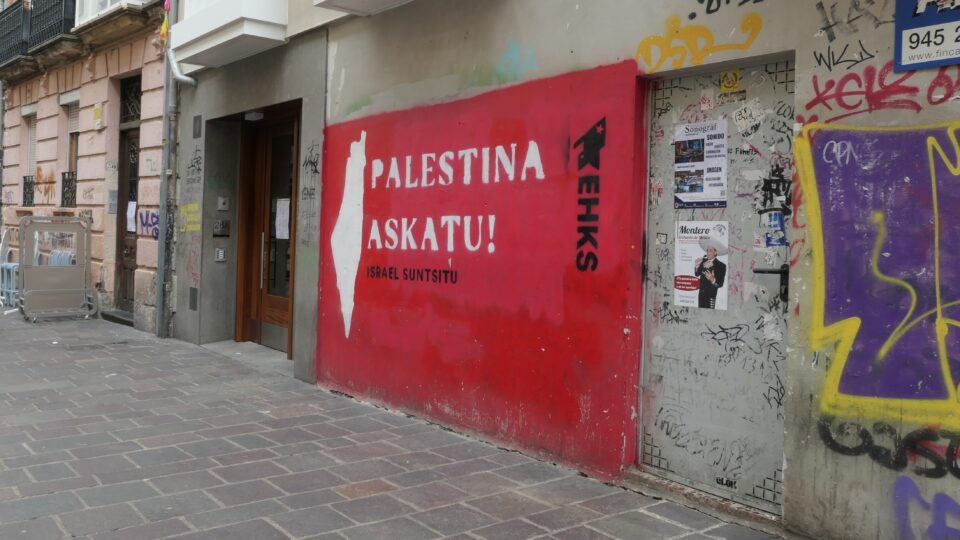
Returning to our car, we passed a large red mural by EHKS, a Basque political organization, with the words “Free Palestine” and “Destroy Israel.” Although Vitoria-Gasteiz had impressed us as a city with plenty to explore, after seeing that, I was glad to be leaving. It did not feel welcoming.
From Vitoria-Gasteiz, we continued southwest to Burgos, about a 1½-hour drive away. Burgos, today a city of about 175,000 people, also once had an important medieval Jewish community, but here too, little remains to be seen today.
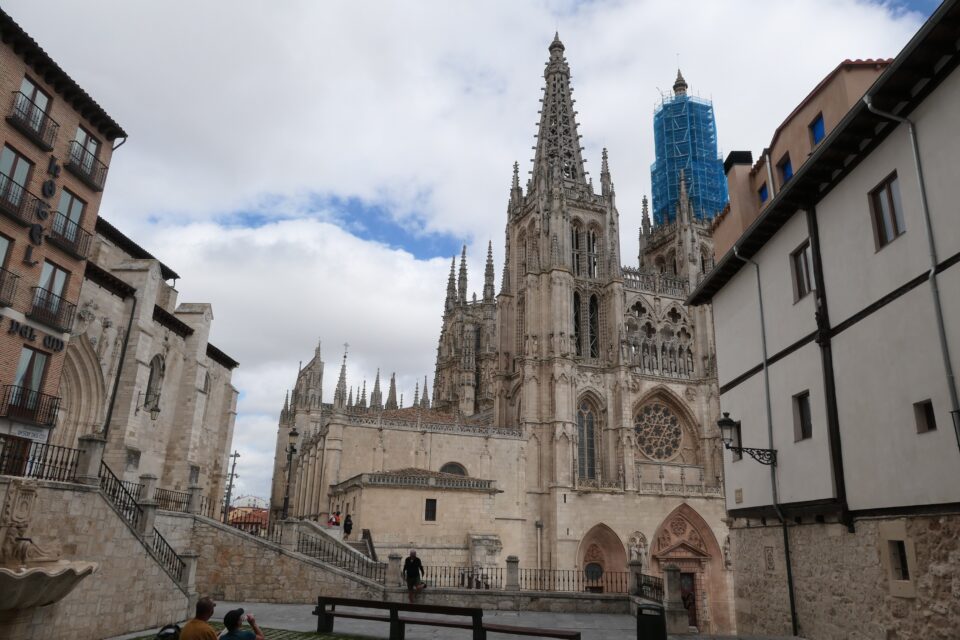
The city itself struck us as an impressive city, monumental and full of grandeur, dominated by its cathedral, a UNESCO World Heritage Site. We had hoped to have a late lunch at its one vegan restaurant, but when we arrived, they told us they were full and not accepting anyone without a reservation.
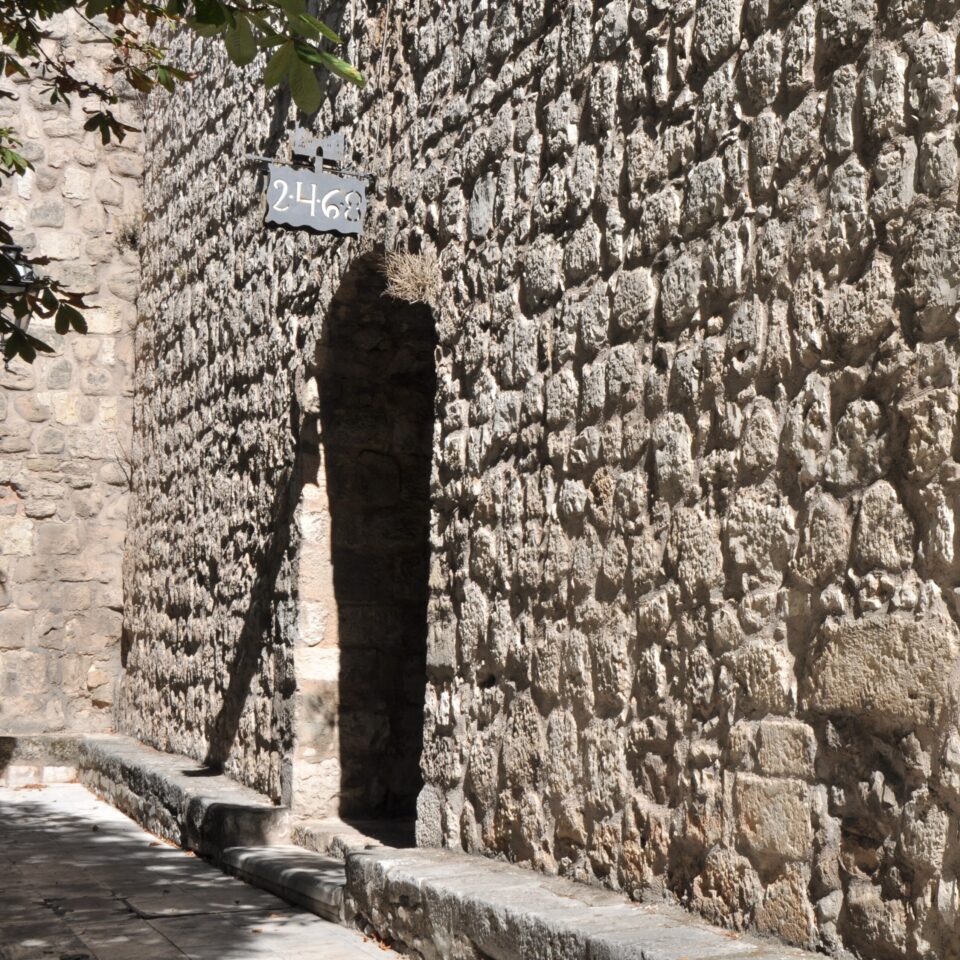
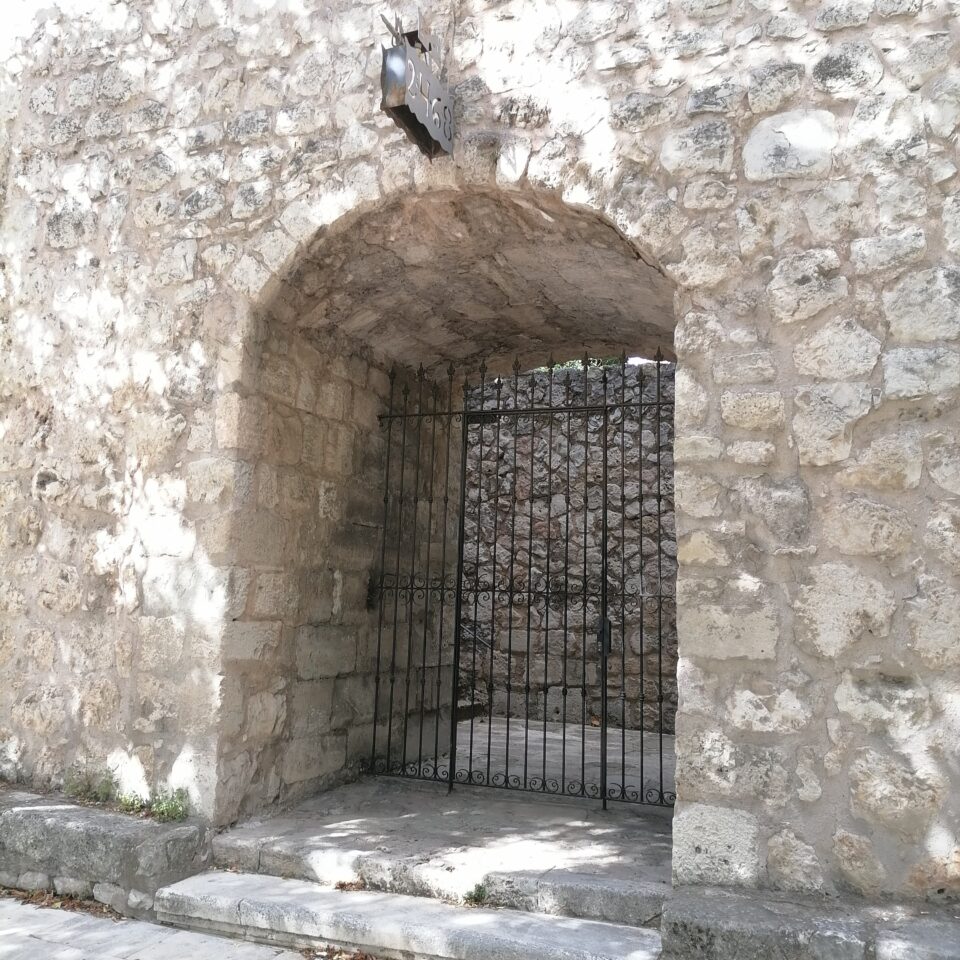
Hungry and disappointed, we then trudged on to see the Jews’ Gate – a simple opening in the old city wall that once led into the Jewish Quarter and is today one of the only visible remnants associated with the former Jewish community. Tired and hungry, we quickly took photos of the gate and returned to our car.
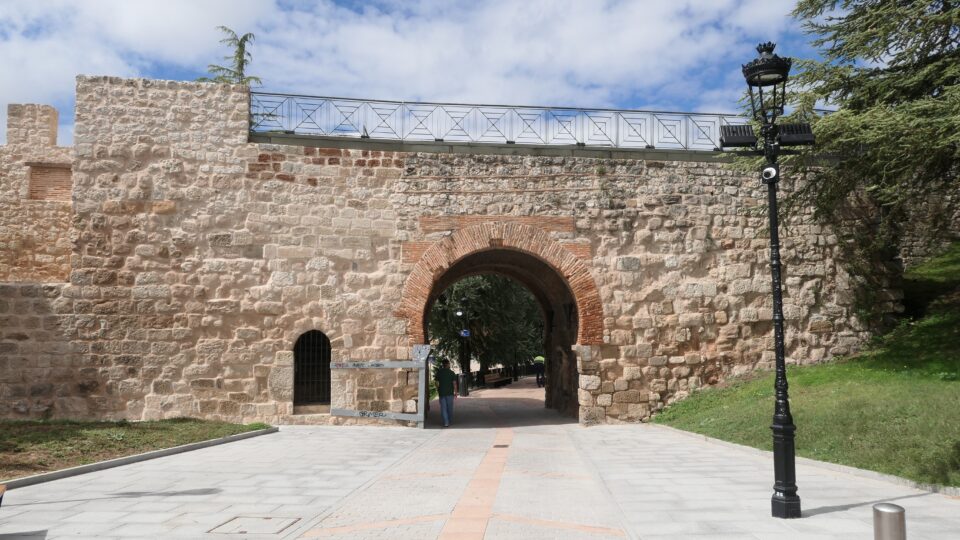
Only later, while researching for this blog post, did I realize we had photographed the wrong gate.
We had seen the Gate of St. Martin, in the vicinity of the Jewish Quarter. The main gate into the Judería, the Jews’ Gate that we were looking for, is apparently located about 200 meters away. Oops. The photos below from the internet are of the correct gate.
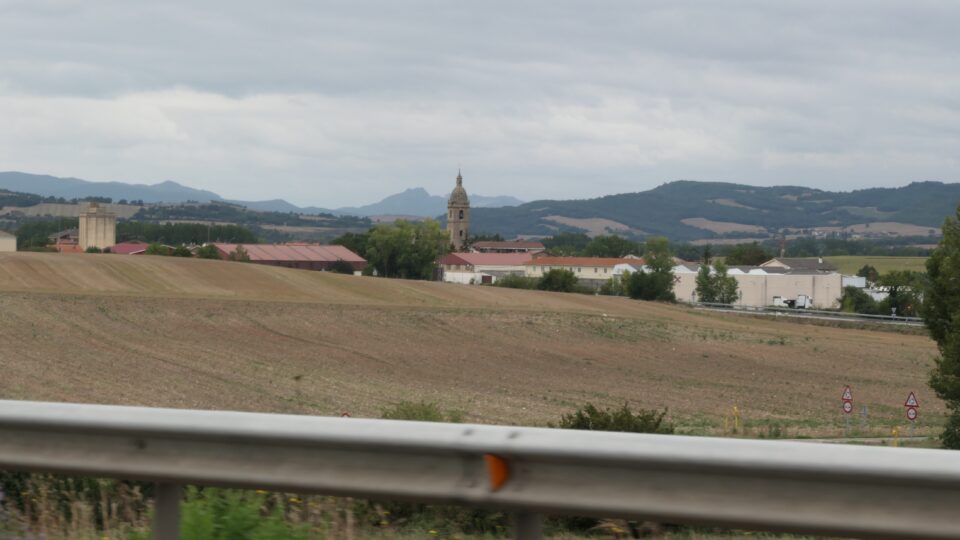
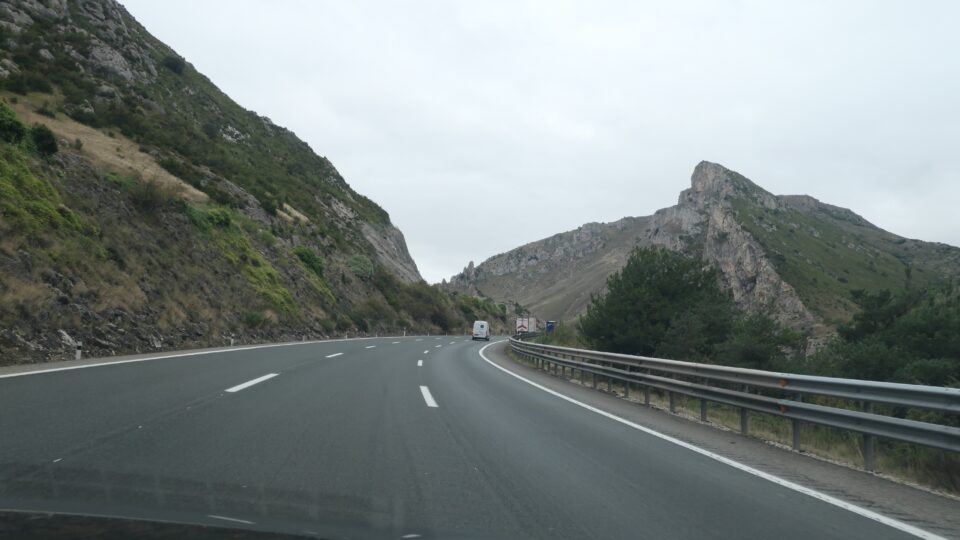
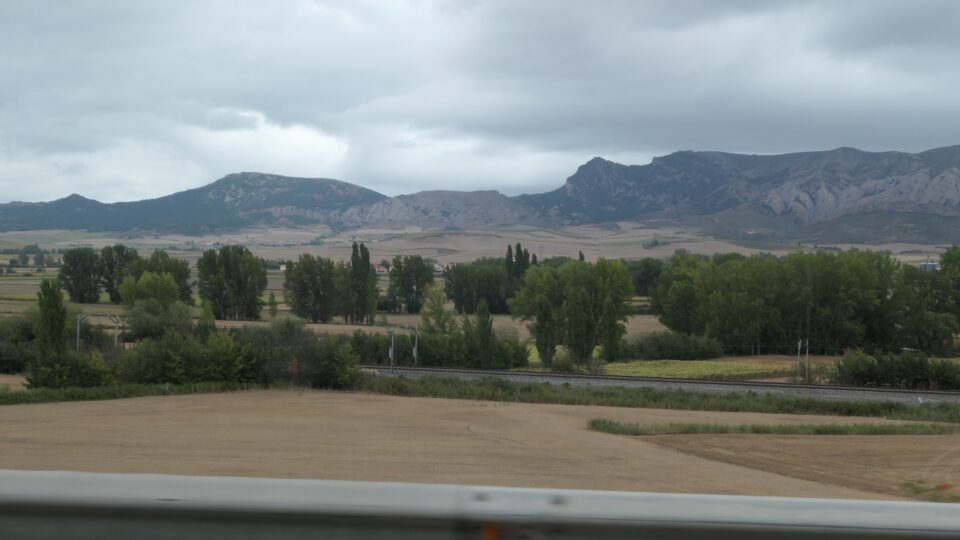
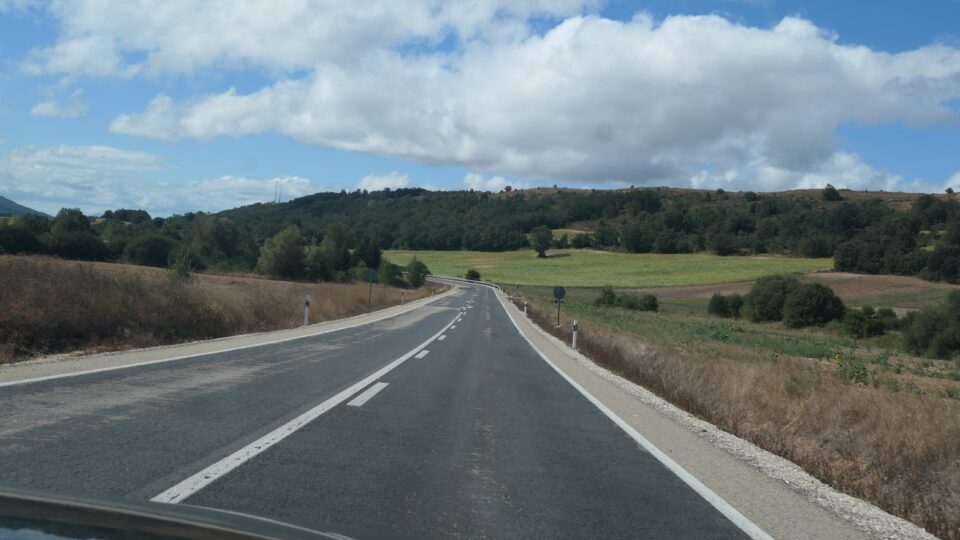
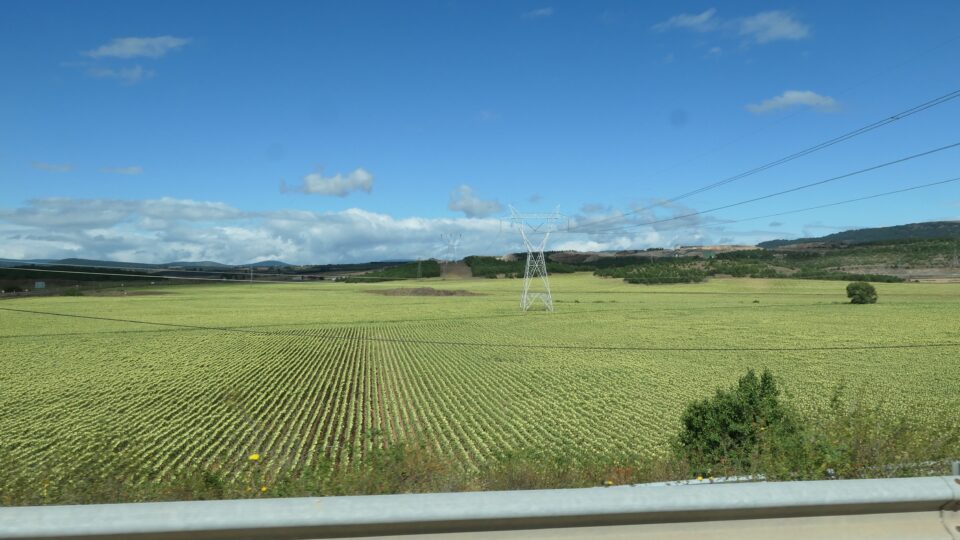
From Burgos, we began the drive to Aguilar de Campoo, and the road itself turned out to be beautiful: a bright blue sky overhead, long stretches of highway through agricultural land, mountains, and forest, and very few villages in sight.
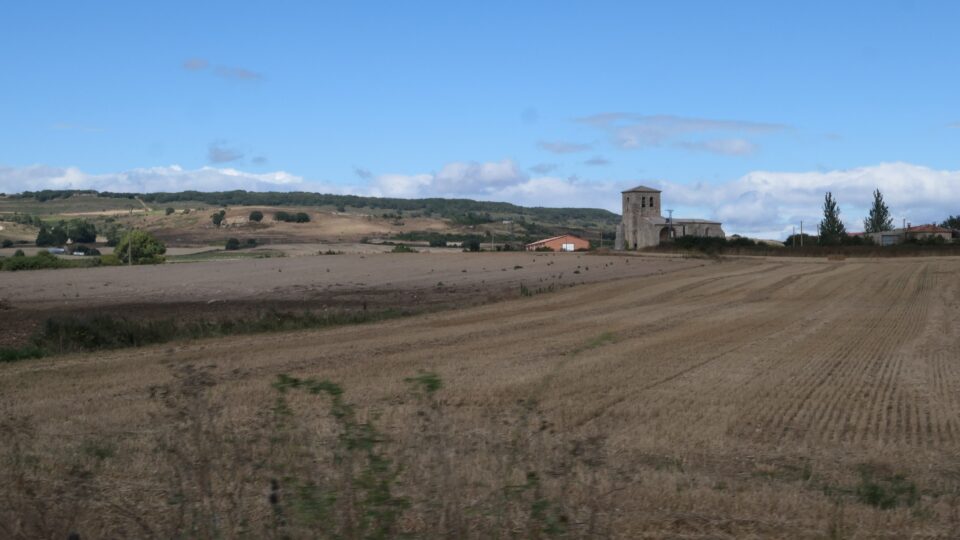
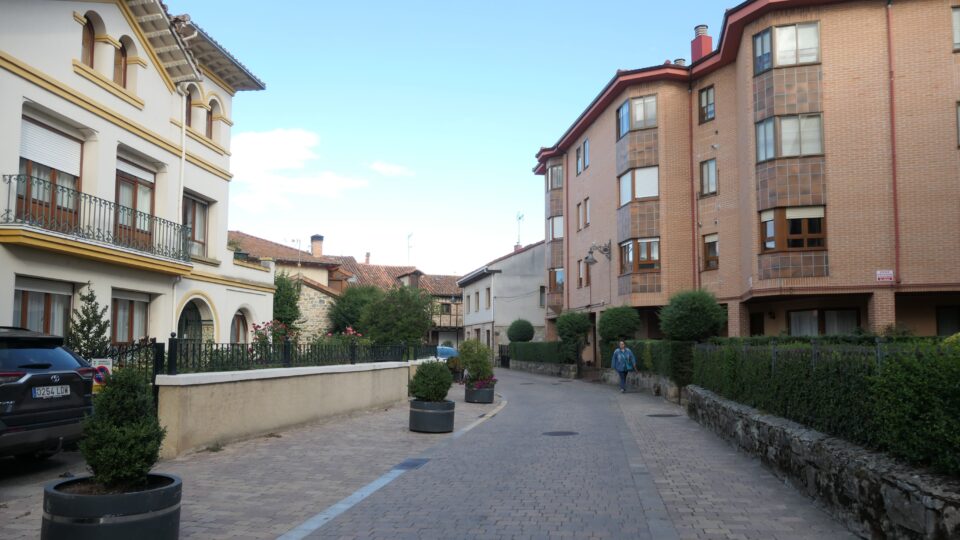
We reached Aguilar de Campoo, a small town that felt old but well cared for, nicely restored yet still authentic. Our apartment, right in the historic district, was modern, comfortable, and centrally located.
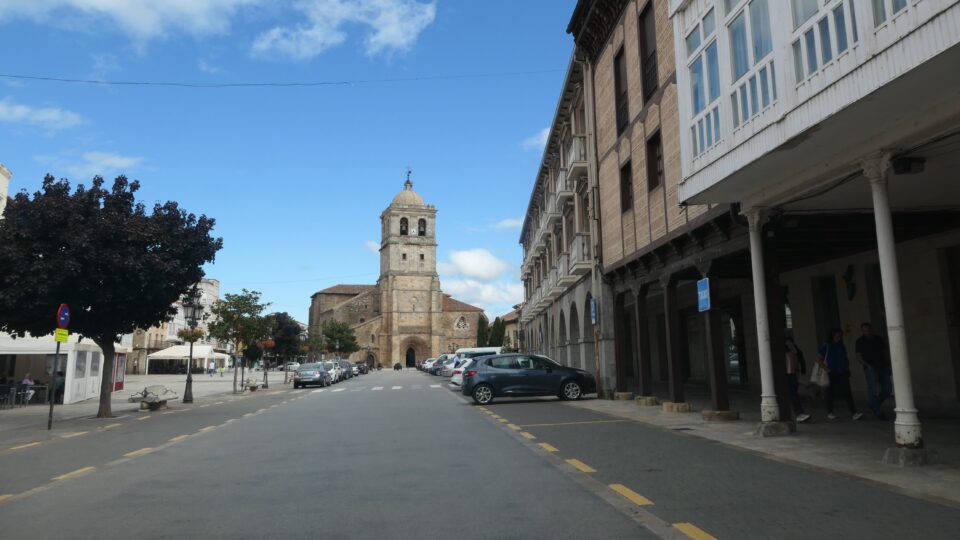
Lunch did not happen until after 5:00 p.m. Afterwards, we went out to explore the town, beginning — as usual — at the tourist office.
Considering some of the anti-Israel sentiment we had been seeing, when people asked where we were from, we said New York. The young man working there told us we were the first people he had met from New York – a reminder of how far off the beaten track we go for our Wandering Jew research. After enthusiastically pointing out the churches and museums, he then did something the woman in Vitoria-Gasteiz had not: he pulled out an information sheet about the town’s Jewish history.
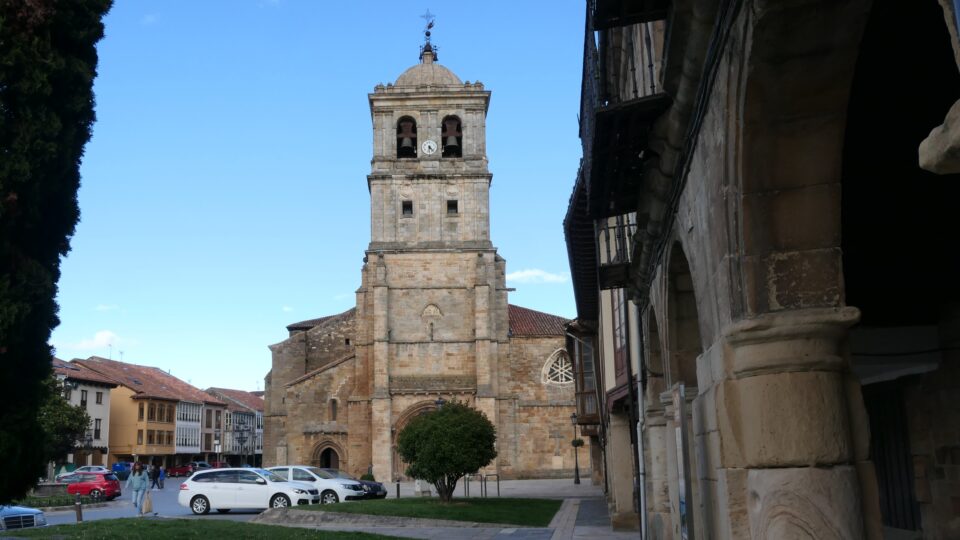
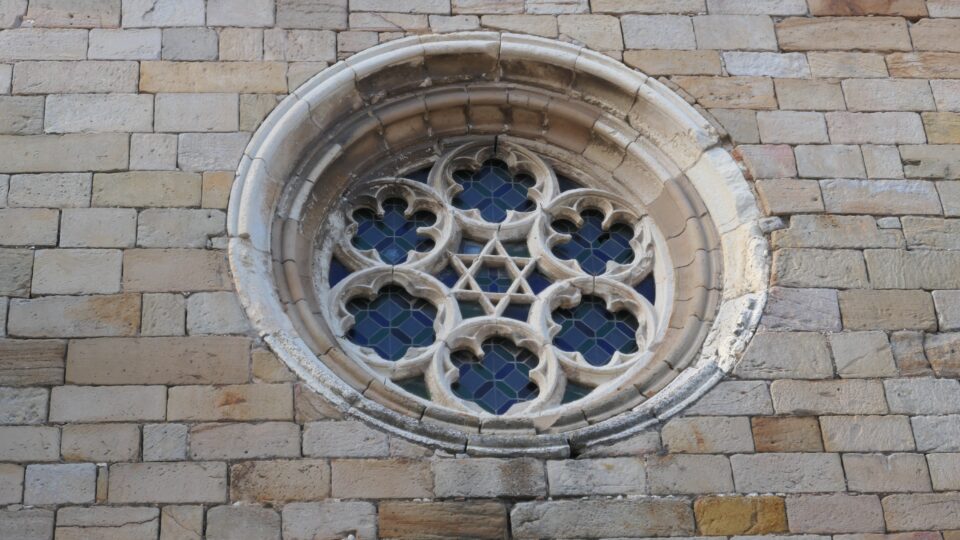
The leaflet was all in Spanish, but it was still encouraging to see that the town had chosen to highlight this part of its past. On the front was a photo of the main church we had passed on the way to the tourist office, showing a window with a Star of David. The symbol, we learned, had been placed there as a tribute to the importance of the Jews in the town. We walked back to the church and found it on the side we had not passed before.
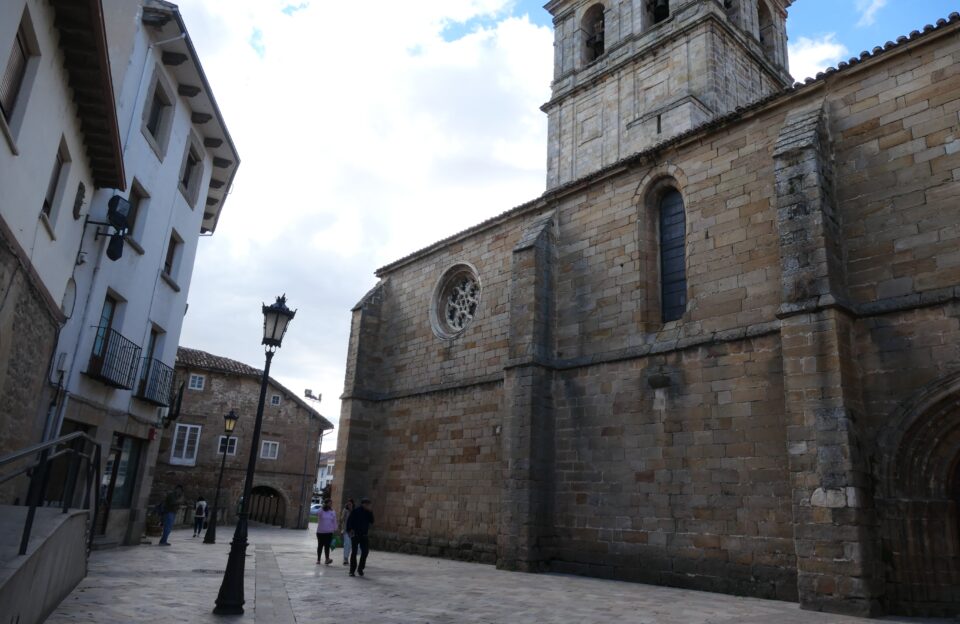
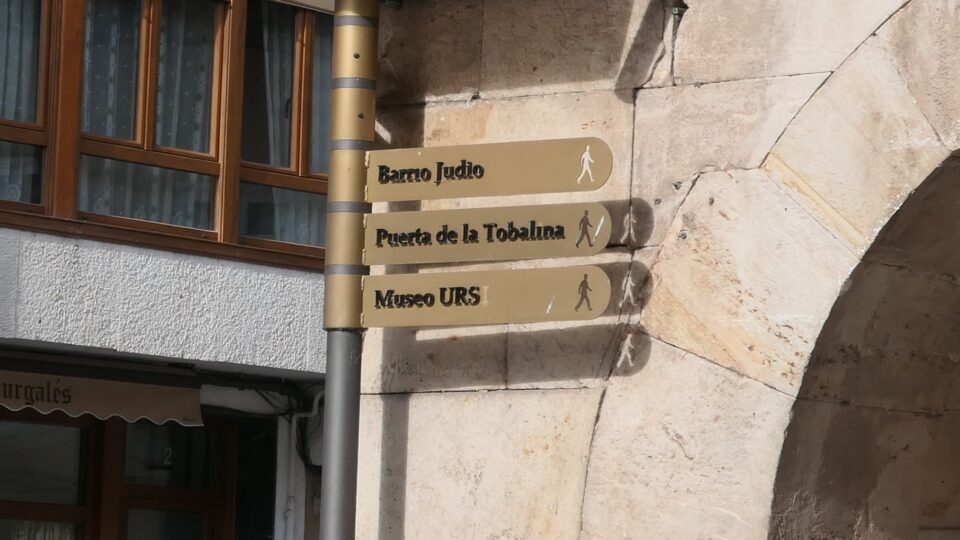
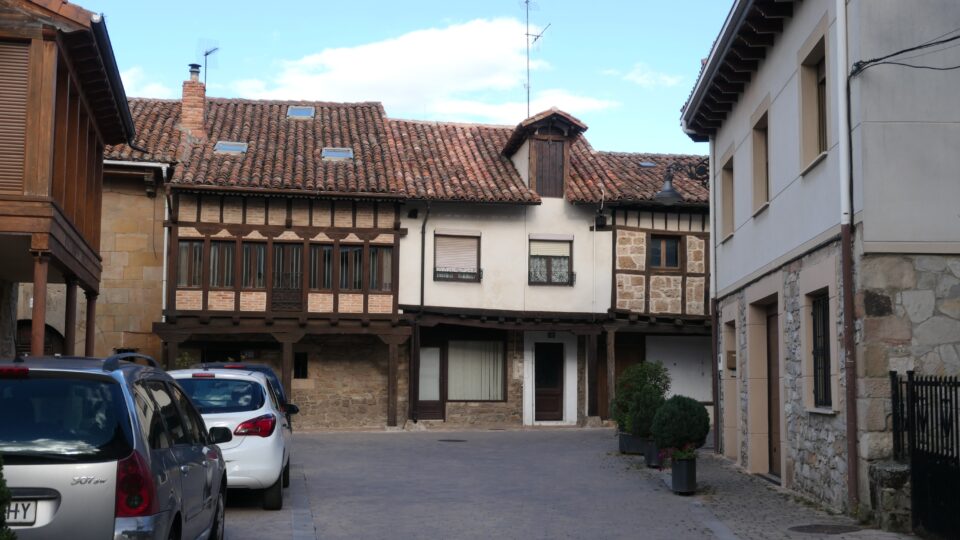
From there we followed signposts to the Jewish quarter and to the gate Puerto de la Tobalina. Aguilar’s Jewish quarter was not always in this location. Earlier, the community seems to have lived closer to the center of town. After the anti-Jewish violence that swept through the area in 1391, the Jewish quarter was moved closer to the town wall, beside the Puerta de la Tobalina, perhaps for better protection.
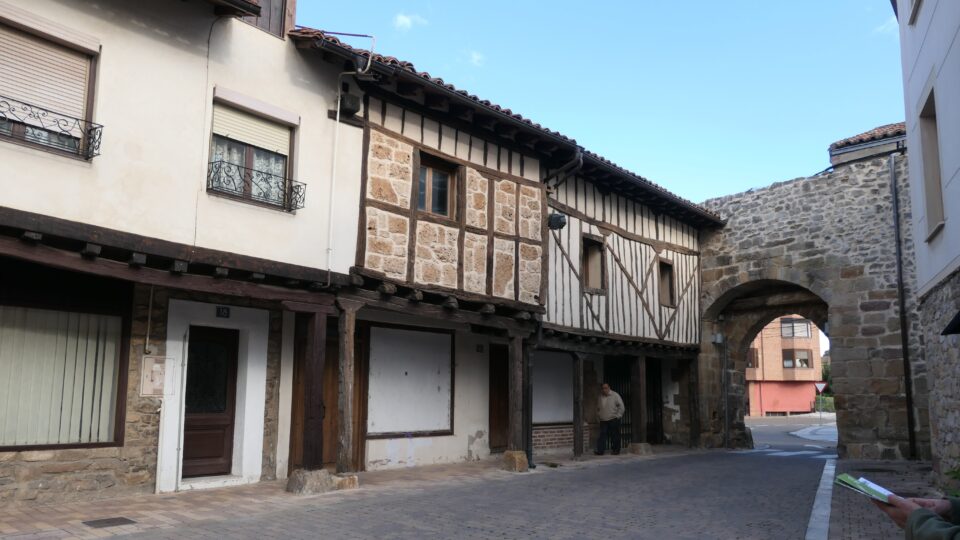
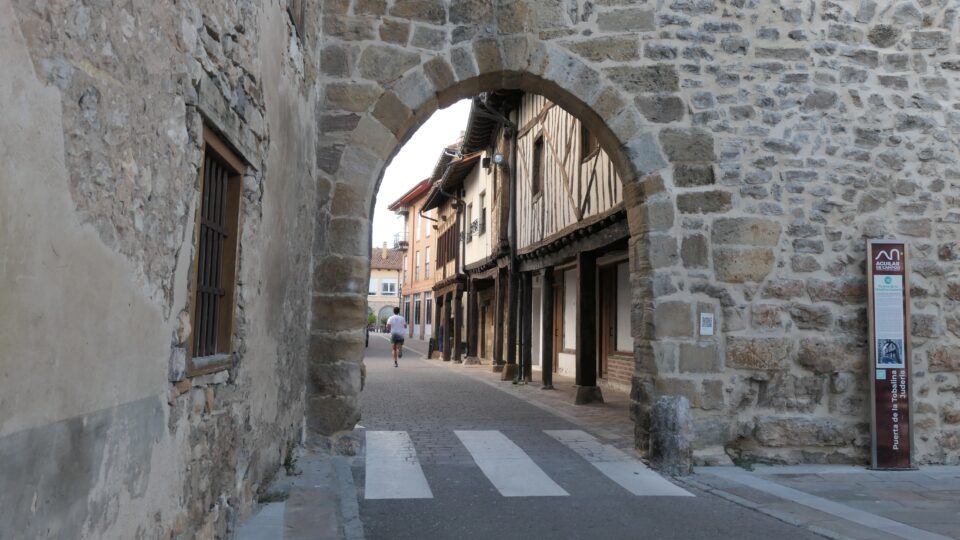
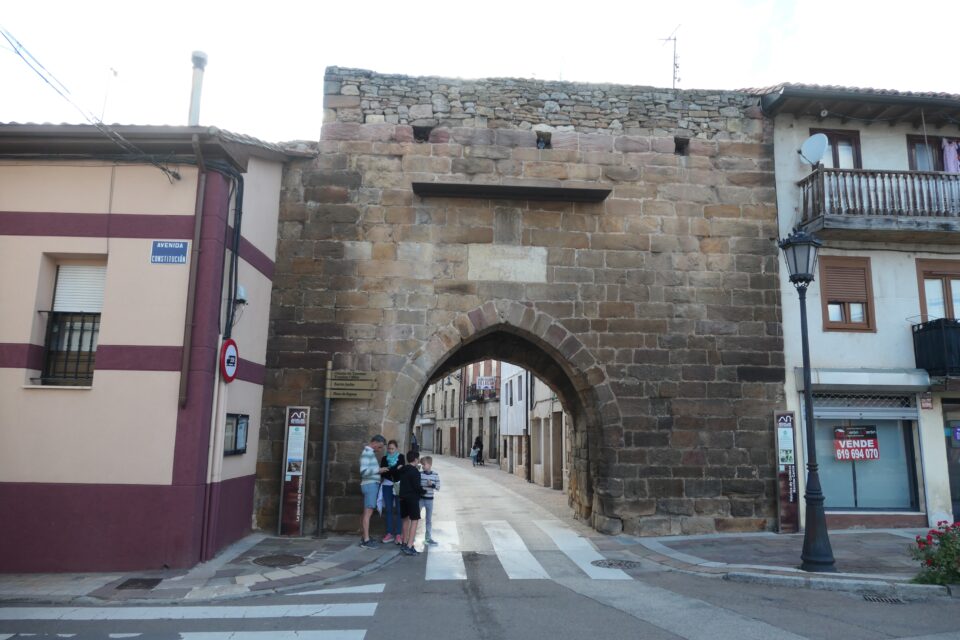
We then continued to another gate, today known as the Puerta de Reinosa. It was once called the Puerta de Burgos, because this was the road out of town toward Burgos.
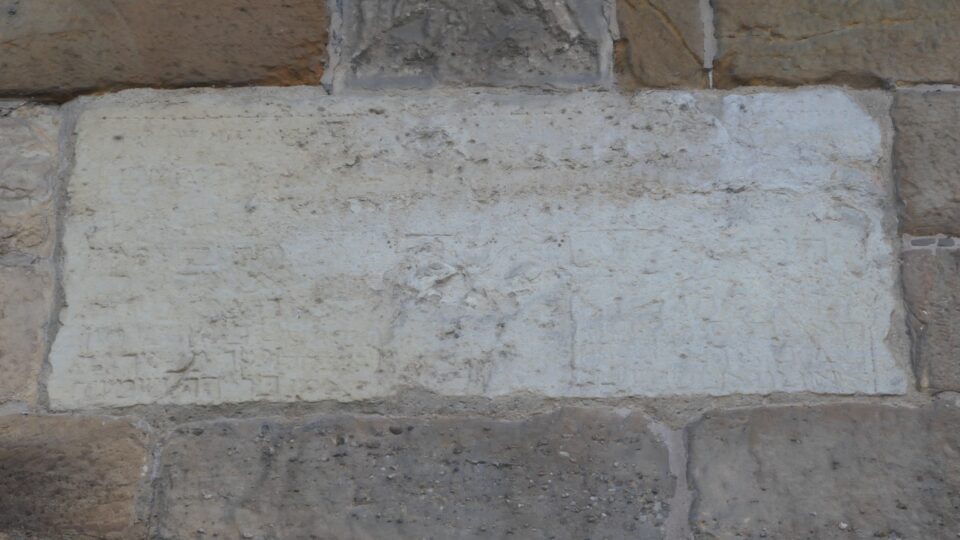
Above the gate is a carved shield with the symbol of Aguilar de Campoo, but the most interesting detail is below that: an inscription written in Castilian Spanish using Hebrew letters. Barely visible, the inscription ends with a verse from Isaiah: “Joy and gladness shall overtake them, and sorrow and sighing shall flee away. Amen.”
The leaflet from the tourist bureau also mentioned the site of the synagogue. Aguilar de Campoo is thought to have had at least two synagogues, both of which were later converted into chapels. One, Ermita del Portazgo, still preserves traces that suggest its earlier use, while the other has disappeared.
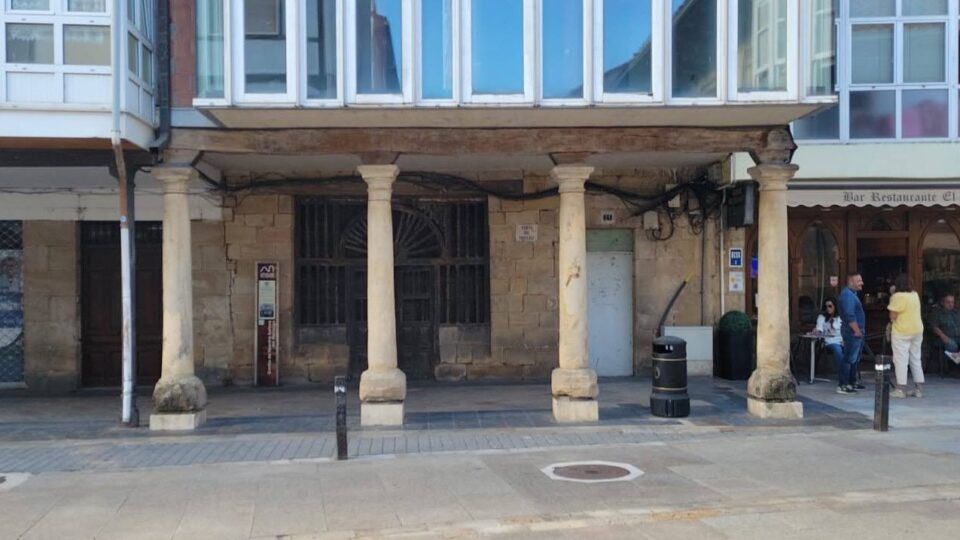
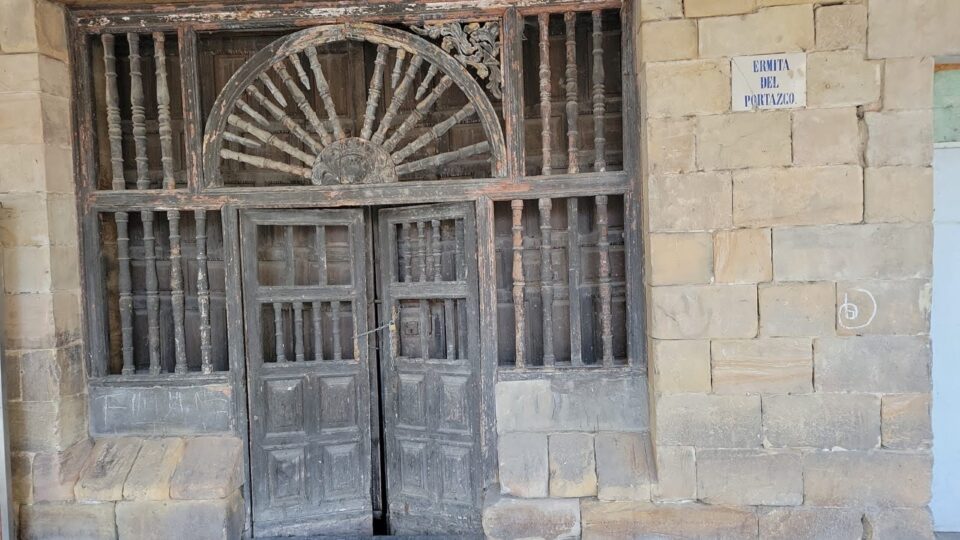
By this point, we had walked through much of the historic center, and we really liked Aguilar de Campoo. It is small, friendly, clean, and charming. More than once, people noticed us studying signs or looking uncertain and stopped to offer help. The town also does a commendable job of acknowledging its Jewish past, even though it is not part of the official Network of Jewish Quarters in Spain.
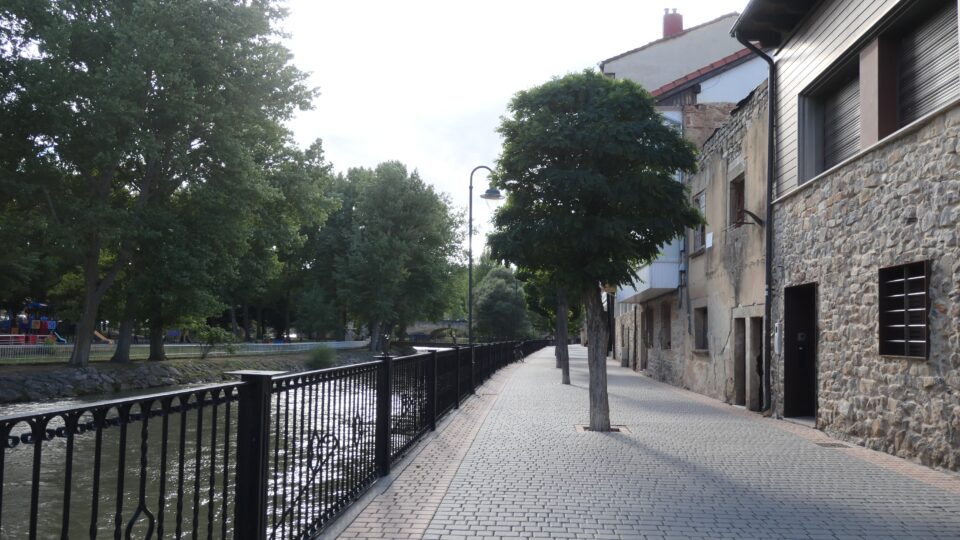
Beyond the Jewish heritage, there was plenty more for us to like here as well. Parts of the medieval walls that once encircled the town are still visible — some even preserved beneath the tourist office, where the floor is made of glass so you can see them below. Another stretch ran right in front of the apartment where we were staying. In the center of town, a river and a promenade along the water added even more appeal.
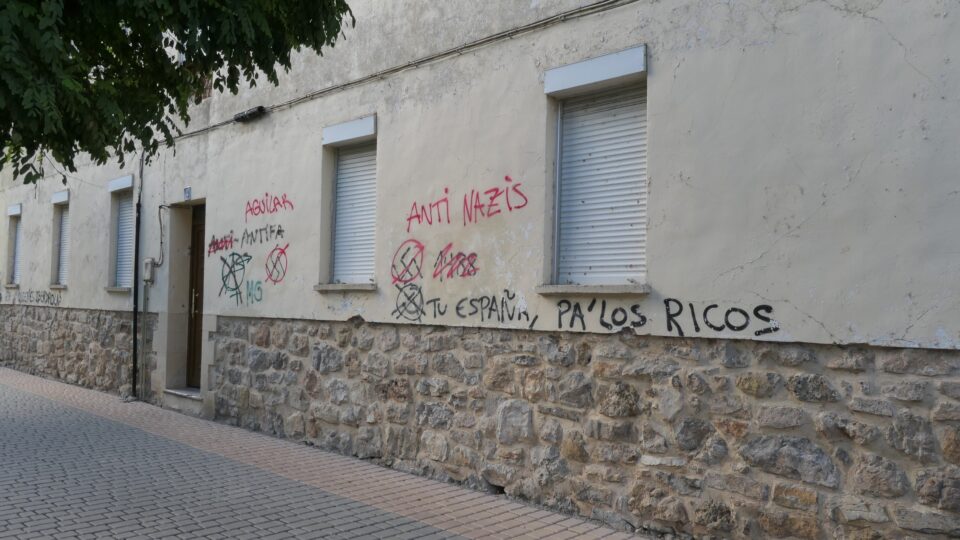
And then there was one more small but telling detail. On one wall, someone had painted swastikas. However here, someone else had crossed them out and written “Anti-Nazi.”
By the end of the day, the contrast was clear: we had visited two large cities that now have very little to show of their once-important Jewish communities, and one small town that did a surprisingly good job of acknowledging its Jewish past.
Today, small did better than large.
Aguilar de Campoo was such a nice place. Especially after we had lunch. 🙂
The Jewish quarter looks really pleasant here!